
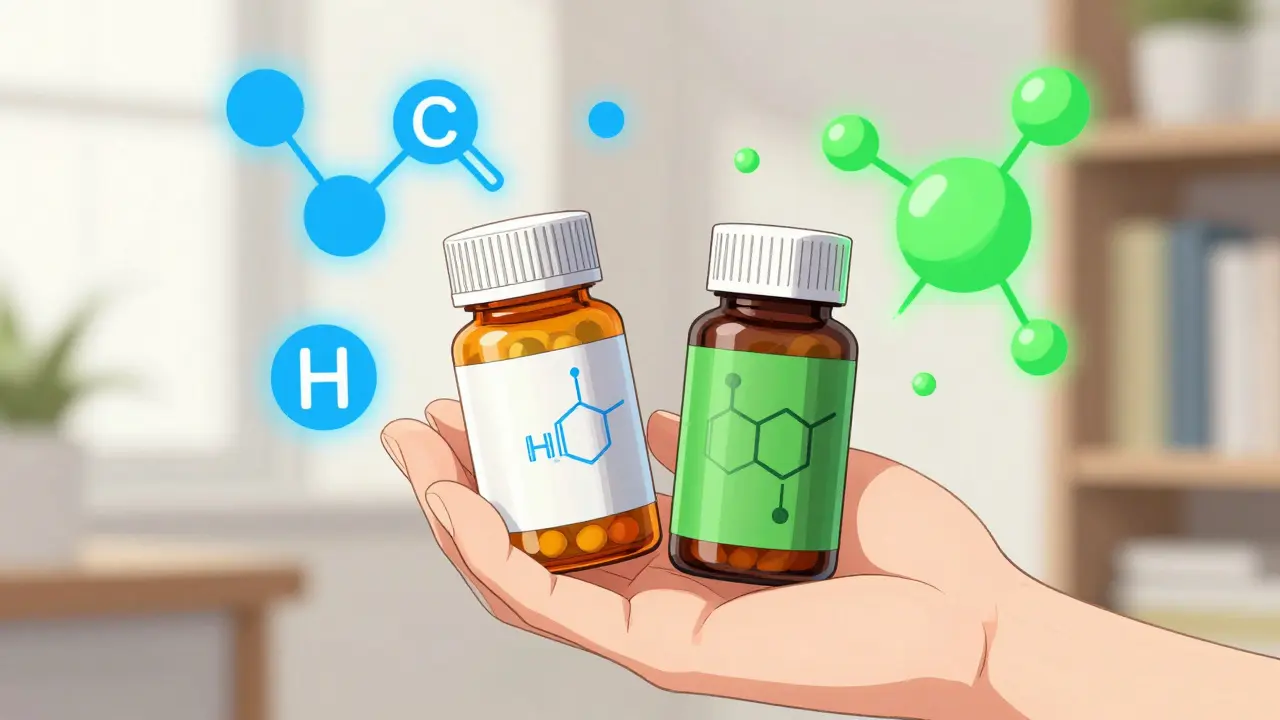
Why some supplements are riskier than others
Not all supplements carry the same weight of risk. If you look at the data, herbal supplements are the primary culprits. While they make up only about 15% of supplement sales, they account for a staggering 65% of severe interactions. The reason is simple: plants contain complex chemical compounds that act like drugs in your body. For instance, St. John's wort is a notorious example. It isn't just a mild mood booster; it's a powerful inducer of enzymes in the liver (specifically cytochrome P450 3A4). When these enzymes are "revved up," they chew through medications much faster than normal. This can drop the levels of critical drugs like cyclosporine by as much as 57% or indinavir by 54%. In short, the medicine leaves your system before it can do its job. Then you have supplements that act as "antagonists." Think of Vitamin K. If you are taking warfarin to prevent blood clots, Vitamin K-found in high doses in some supplements and green tea-essentially cancels out the medication. It's like pressing the gas and the brake at the same time; the medication tries to thin your blood, but the supplement tells your blood to clot, leaving you at risk for a stroke or heart attack.How interactions actually happen in your body
To understand the danger, it helps to know that interactions usually fall into two buckets: pharmacokinetic and pharmacodynamic.Pharmacokinetic interactions are all about the "journey" of the drug. This involves how the drug is absorbed, distributed, metabolized, and excreted. A classic example is magnesium-containing antacids. If you take these with certain quinolone antibiotics, the magnesium can block the antibiotic from being absorbed into your bloodstream, reducing its effectiveness by up to 90%. Your infection stays, and the drug just passes right through you.
Pharmacodynamic interactions are different; they happen at the "destination." Here, the supplement doesn't change the amount of drug in your blood, but it changes how your body responds to it. Take Ginkgo biloba. It has its own mild blood-thinning effect. If you combine it with warfarin, you aren't just thinning your blood-you're over-thinning it. This can push your INR (a measure of how long it takes blood to clot) from a safe range of 2-3 to a dangerous 6.5, leading to internal bleeding.
| Supplement | Commonly Interacting Drug | Potential Effect | Risk Level |
|---|---|---|---|
| St. John's Wort | Cyclosporine / Birth Control | Reduced drug concentration | High |
| Ginkgo Biloba | Warfarin / Aspirin | Increased bleeding risk | High |
| Calcium | Levothyroxine (Thyroid) | Reduced absorption (25-50%) | Moderate |
| Vitamin K | Warfarin | Reduced anticoagulant effect | High |
| Magnesium | Quinolone Antibiotics | Blocks drug absorption | Moderate |

The danger of the "natural" blind spot
There is a pervasive belief that supplements are inherently safe. A 2022 survey found that 73% of users feel they are "very" or "somewhat" safe. This trust is often misplaced. One of the biggest issues is that many people don't tell their doctors about the supplements they take. Some feel their doctor "doesn't know anything" about herbs, while others simply forget they are taking a vitamin. This lack of communication is dangerous. Experts like Dr. Craig Kessler have noted that these interactions lead to roughly 23,000 emergency room visits and 2,000 hospitalizations annually in the U.S. alone. One shocking case involved a woman taking carbamazepine for seizures; after she started taking St. John's wort, her medication levels plummeted, and she suffered breakthrough seizures because her drug levels dropped by more than half. Furthermore, the quality of the supplements themselves is a gamble. Some studies show that 20% of supplements contain unlisted ingredients. There have been cases where "red yeast rice" supplements actually contained unlisted lovastatin. When combined with other cholesterol drugs like gemfibrozil, this led to rhabdomyolysis-a severe breakdown of muscle tissue that can cause kidney failure.
Practical steps for staying safe
If you use supplements, you shouldn't stop using them out of fear, but you should start using them with a strategy. The goal is to move from "guessing" to "knowing."- Audit your cabinet: Make a complete list of everything you take. This includes multivitamins, herbal teas, protein powders with added minerals, and fish oils. Note the exact brand and dosage.
- Be explicit with your provider: Instead of saying "I take some vitamins," say "I take 500mg of Ginkgo Biloba from Brand X every morning." This allows your doctor to check specific databases like the Natural Medicines Database.
- Watch for "Red Flag" supplements: Be extra cautious with St. John's wort, Ginkgo, and high-dose Vitamin K if you are on chronic medication.
- Monitor your response: If you start a new supplement and suddenly feel your medication isn't working as well (or is working too strongly), stop the supplement immediately and call your doctor.
- Check the label: Look for third-party certifications (like USP or NSF) which suggest the product actually contains what it says it does, reducing the risk of unlisted contaminants.
Looking ahead: Is the system changing?
For years, the medical community has called for a total overhaul of how supplements are regulated. The American Medical Association has been pushing for reform since 2015, arguing that the current post-market system is a failure. The government's current surveillance captures less than 1% of actual adverse events, meaning we are essentially flying blind. There are signs of progress. Newer proposals, like the 2023 Dietary Supplement Labeling Act, aim to force manufacturers to put interaction warnings on high-risk products. Additionally, research is shifting toward specific high-risk groups, such as adults over 60 who often take five or more prescription drugs simultaneously. Newer research into CBD has also shown it can significantly increase the levels of certain medications, like clobazam, by up to 500%, highlighting that even modern "wellness" trends carry old-school pharmacological risks.Are all herbal supplements dangerous when mixed with drugs?
No, not all of them. While some like St. John's wort have a high likelihood of interaction, others like milk thistle, saw palmetto, and valerian are generally considered to have a low likelihood of interacting with most medications. However, you should still verify any combination with a pharmacist.
Why doesn't my supplement bottle warn me about drug interactions?
Under current US law (DSHEA), supplement manufacturers are not required to conduct the same rigorous interaction studies as drug companies. Consequently, about 78% of supplement labels contain no interaction warnings, even when risks are known to the medical community.
Can vitamins cause the same problems as herbal supplements?
Yes. While herbs often have more complex interactions, vitamins can be very potent. For example, calcium supplements can block the absorption of thyroid medication (levothyroxine) by 25-50%, and Vitamin K can stop blood thinners like warfarin from working.
How can I tell if a supplement is interacting with my medication?
Watch for changes in how you feel. If your symptoms return despite taking your medication, or if you experience new, unexpected side effects after starting a supplement, it may be an interaction. Common signs include unusual bruising (blood thinners) or a return of high blood pressure.
Should I stop taking my supplements immediately?
Do not stop taking prescribed medications or long-term supplements without talking to your doctor first. Some changes in your chemical balance can cause withdrawal symptoms or "rebound" effects. Instead, schedule a medication review with your healthcare provider.