
Inner Ear Fluid: What It Does, When It Goes Wrong, and How It Affects Your Health
When your inner ear fluid, a clear, pressure-sensitive liquid that fills the cochlea and vestibular system. Also known as endolymph, it’s not just background noise—it’s the core of how your body knows up from down, left from right, and whether you’re moving or still. This fluid works with tiny hair cells to send signals to your brain about head position and movement. If the fluid levels change—too much, too little, or just out of sync—you don’t just feel off. You might spin in place, hear buzzing, or lose hearing suddenly.
Problems with inner ear fluid, a clear, pressure-sensitive liquid that fills the cochlea and vestibular system. Also known as endolymph, it’s not just background noise—it’s the core of how your body knows up from down, left from right, and whether you’re moving or still. are often tied to Meniere's disease, a chronic inner ear disorder marked by abnormal fluid buildup and fluctuating pressure. Also known as endolymphatic hydrops, it causes episodes of vertigo, tinnitus, and hearing loss that come and go. But it’s not the only culprit. vertigo, a false sense of spinning or movement caused by inner ear or brain signal errors. Also known as dizziness from balance system failure, it often starts with fluid imbalance. You might feel like the room is tilting after standing up too fast, or get nauseous after a flight. Even a simple ear infection can disrupt fluid flow, leading to temporary but intense dizziness.
What’s surprising is that inner ear fluid issues aren’t always obvious. Many people ignore early signs—like muffled hearing after a cold or a brief dizzy spell—thinking it’s just fatigue. But repeated episodes can signal something deeper. Doctors check for fluid pressure changes using hearing tests, balance exams, and sometimes MRI scans. Treatments range from salt-restricted diets and water pills to injections that reduce fluid buildup. In severe cases, surgery may be needed to relieve pressure. The goal isn’t to eliminate fluid—it’s to restore balance. Too much or too little both cause problems, and your body is constantly adjusting.
What you’ll find in the posts below are real, practical stories and science-backed insights about how fluid imbalances affect daily life—from managing vertigo at work to understanding why some medications help while others make it worse. You’ll see how conditions like Meniere’s connect to kidney health, why certain antibiotics can trigger inner ear issues, and what you can do at home to reduce flare-ups. No fluff. Just what works, what doesn’t, and what you need to ask your doctor next time you feel off balance.
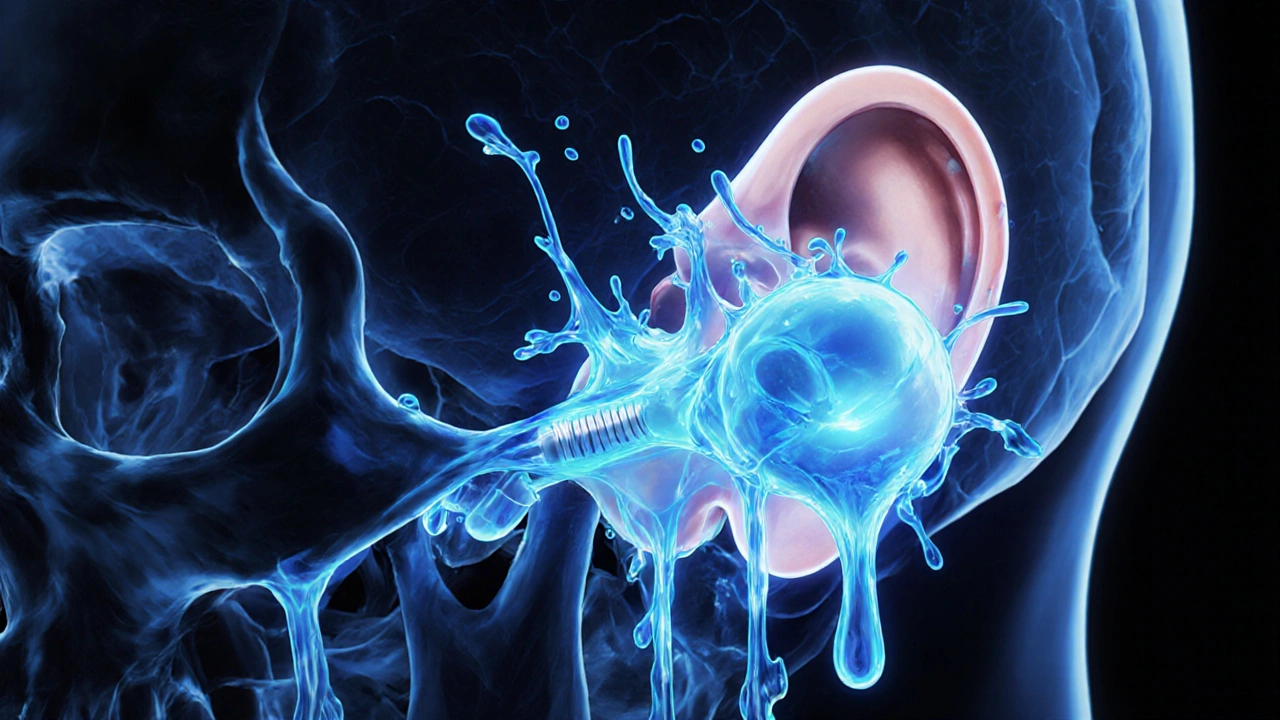
Meniere’s Disease: Managing Inner Ear Fluid and Reducing Symptoms
Meniere’s disease causes vertigo, hearing loss, and tinnitus due to inner ear fluid buildup. Learn how diet, medications, and new immune-targeted therapies can manage symptoms and protect hearing.
More Detail