
You might think one glass of wine with your evening meds is harmless, but that single drink can fundamentally change how your body processes a prescription. In some cases, it doesn't just make the drug less effective; it can turn a therapeutic dose into a lethal one. According to the Centers for Disease Control and Prevention (CDC), these interactions contributed to over 2,300 overdose deaths in 2022 alone. Whether it's a sudden drop in blood pressure or a complete shutdown of your respiratory system, the risks are far more concrete than a simple "warning label" suggests.
The Biological Collision: How It Actually Happens
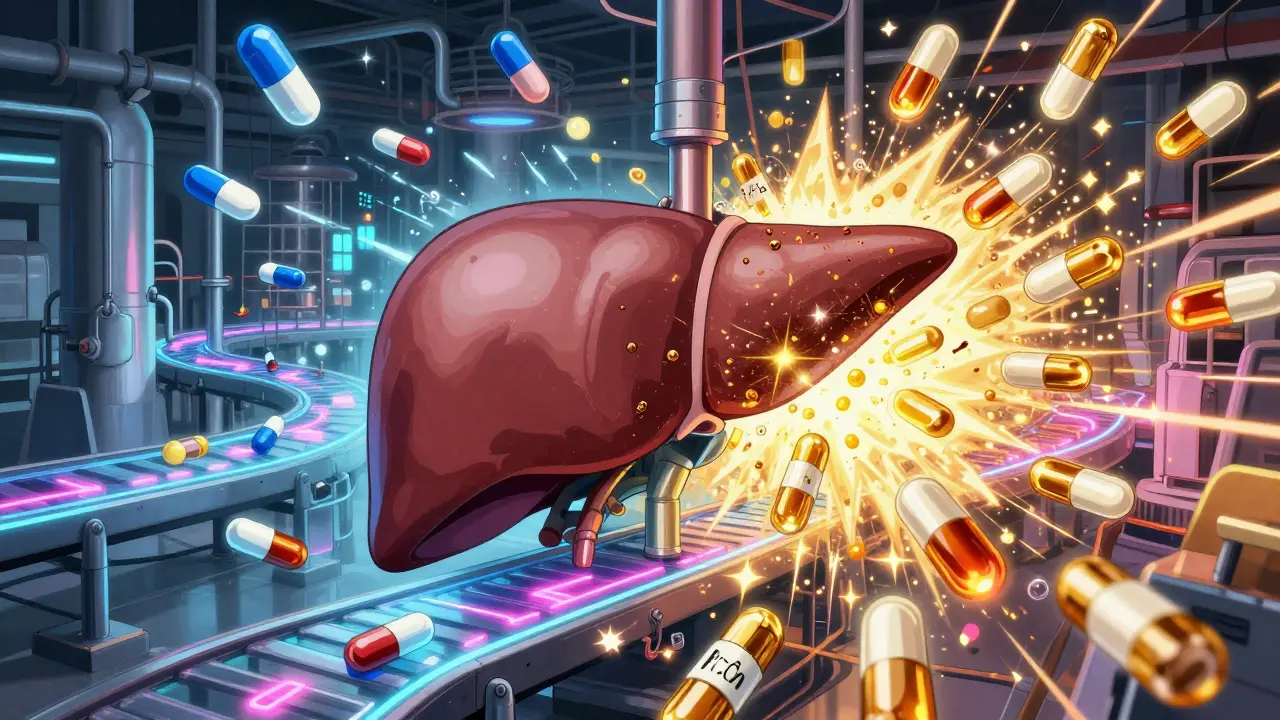
When you mix Alcohol with medication, your body deals with two different types of chaos: pharmacokinetic and pharmacodynamic interactions. Think of pharmacokinetics as the "delivery and cleanup" phase. Most drugs are processed in the liver by cytochrome P450 enzymes. Alcohol uses these same pathways. If you drink heavily, your liver ramps up enzyme production, which can actually clear certain drugs-like propranolol-out of your system 30-50% faster than intended, leaving you unprotected.
On the flip side, a sudden drink can block those enzymes, causing the medication to build up in your bloodstream. For someone on Warfarin, this can spike plasma concentrations by up to 35%, drastically increasing the risk of internal bleeding. Then there are pharmacodynamic interactions, where the drug and alcohol don't fight over the liver but instead team up to attack the same target-usually your brain. This creates a synergistic effect, meaning 1 + 1 doesn't equal 2; it equals 5 or 10 in terms of intensity.
High-Risk Zones: The Most Dangerous Combinations
Not every drug interacts with alcohol in the same way, but some combinations are essentially a medical emergency waiting to happen. The most critical are the "CNS Depressants," which slow down your central nervous system.
- Opioids: Combining drugs like Oxycodone or hydrocodone with alcohol multiplies the risk of respiratory depression by six times. You might simply stop breathing in your sleep.
- Benzodiazepines: If you take Alprazolam (Xanax) or diazepam (Valium), adding alcohol can increase sedation severity by 400%. For older adults, this is a recipe for disaster, increasing fall risks by 50%.
- Pain Relievers: Mixing Acetaminophen (Tylenol) with regular drinking creates toxic metabolites that can trigger acute liver failure in as many as 1 in 200 regular users.
- NSAIDs: Heavy drinkers who use ibuprofen or aspirin see a 300% increase in the risk of upper gastrointestinal bleeding.
| Medication Class | Risk Level | Primary Danger | Impact Value |
|---|---|---|---|
| Opioids / Benzodiazepines | Critical | Respiratory failure / Coma | 6x risk of respiratory depression |
| Acetaminophen | High | Hepatotoxicity (Liver Failure) | 1 in 200 regular users affected |
| Beta-Blockers | Moderate | Hypotension / Reduced Efficacy | 25% reduction in effectiveness |
| Certain Antibiotics (e.g. Isoniazid) | Moderate | Liver Damage | 15% user toxicity rate |
Who is Most at Risk?
The way your body handles alcohol and drugs isn't static; it changes based on your biology. Age is the biggest factor. Adults over 65 face interactions that are 3.2 times more severe because their livers simply can't keep up with the metabolism of both substances. This is why the American Geriatrics Society is so strict about abstinence for seniors on sedatives.
Gender also plays a role. Women generally have lower body water content, which means alcohol reaches a higher concentration in the blood, leading to 20% higher interaction severity compared to men. Furthermore, if you already have liver disease, your risk for acetaminophen toxicity isn't just slightly higher-it's five times higher. Your "buffer" for error is almost non-existent.
Closing the Knowledge Gap
Here is the scary part: many people don't know these risks because they aren't told. Data shows that nearly 68% of patients prescribed benzodiazepines were never warned about alcohol interactions. Some people believe only "hard liquor" is the problem, while others think one drink is always safe. Neither is true. Even a single standard drink can double the risk of a fatal car crash when combined with a therapeutic dose of opioids.
If you are currently taking medication, don't rely on the small print of a pharmacy bag. Use a three-step verification process: first, check the labels specifically for alcohol warnings; second, ask your pharmacist for a screening; and third, use a dedicated risk calculator or app to cross-reference your specific medications. Pharmacist counseling usually takes about 20 minutes to fully grasp, but those 20 minutes can literally be a lifesaver.
Dealing with the "Moderate" Gray Area
You'll occasionally hear doctors disagree on "moderate" risks. Some experts argue that total abstinence for every single drug creates unnecessary anxiety and that very controlled consumption (less than one drink a day) might be okay for certain low-risk meds. However, the prevailing medical consensus from the American Medical Association remains clear: when it comes to high-risk categories like opioids or benzodiazepines, the only safe amount of alcohol is zero.
Can I drink alcohol if I'm taking antibiotics?
It depends on the drug. While some antibiotics like amoxicillin have minimal interactions, others like isoniazid can cause severe liver toxicity when combined with alcohol. Always check your specific prescription as some antibiotics can also cause a "disulfiram-like reaction," leading to severe nausea and vomiting.
Why does alcohol make my medication feel stronger?
This is called a synergistic effect. Many drugs and alcohol both target the GABA receptors in your brain to slow down nerve activity. When you take both, they don't just add together; they amplify each other, leading to extreme drowsiness, loss of coordination, and potentially suppressed breathing.
Is it safe to drink if I take my medicine in the morning and drink at night?
Not necessarily. Many medications have a long "half-life," meaning they stay active in your bloodstream for many hours or even days. Even if you don't feel the drug's effects, it is still being processed by your liver and can interact with alcohol consumed hours later.
What should I do if I accidentally mixed alcohol with my meds?
If you feel extreme sleepiness, difficulty breathing, or dizziness, call emergency services immediately. Do not try to "sleep it off," as respiratory depression can happen gradually while you are unconscious. If you feel fine but are worried, call a pharmacist or a poison control center for guidance based on your specific medication.
Does the type of alcohol (wine vs. vodka) matter?
No. The active ingredient that causes these interactions is ethanol. Whether it is in a glass of red wine, a light beer, or a shot of vodka, the ethanol interacts with your liver enzymes and brain receptors in the same way.
Next Steps for Your Safety
If you're unsure about your current regimen, start by listing every supplement and prescription you take. Take this list to your pharmacist and ask specifically: "Which of these have a synergistic effect with alcohol?" If you are an older adult or have liver concerns, be honest about your drinking habits, even if it's just a few drinks a week. This allows your doctor to adjust dosages or choose alternative medications that don't rely on the same metabolic pathways, reducing your risk of a dangerous event.