
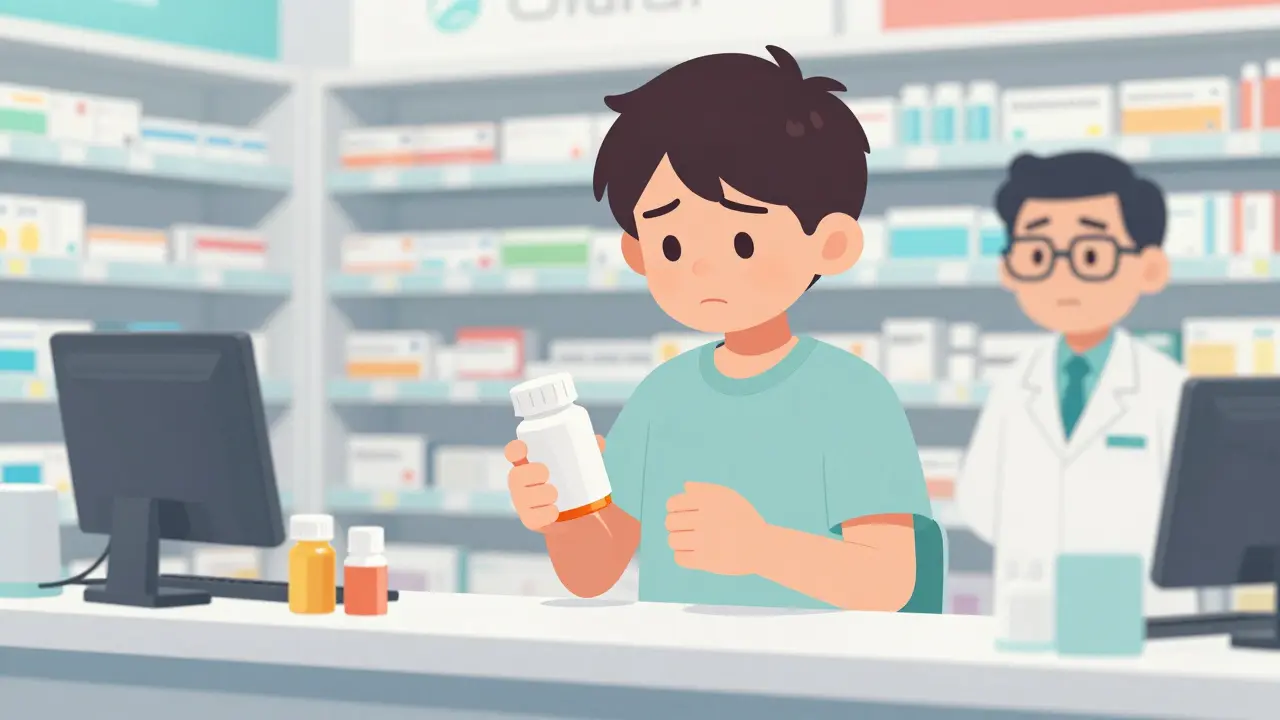
Imagine walking into your pharmacy to pick up a prescription. You've always taken the brand-name version, but today the pharmacist hands you a bottle with a plain white label and a different look. They tell you it's an authorized generic is a drug produced by the original brand-name manufacturer but sold without the brand name, typically at a lower cost. You might wonder: is this just a cheap copy, or is it actually the same medicine? The truth is, it's more than just "similar"-it is literally the exact same product, just with a different sticker on the bottle.
The Big Difference Between Authorized and Traditional Generics
Most people use the word "generic" to describe any non-brand drug, but in the pharmacy world, there's a huge technical difference between a traditional generic and an authorized one. To understand this, we have to look at how the FDA (Food and Drug Administration) handles approvals.
A traditional generic company has to prove to the government that their version of a drug works the same way as the original. They do this through an Abbreviated New Drug Application (ANDA). They have to show "bioequivalence," meaning the drug gets into your bloodstream at the same rate and level as the brand. However, traditional generics can use different fillers or dyes-the inactive ingredients-which is why a generic pill might be a different shape or color than the brand name.
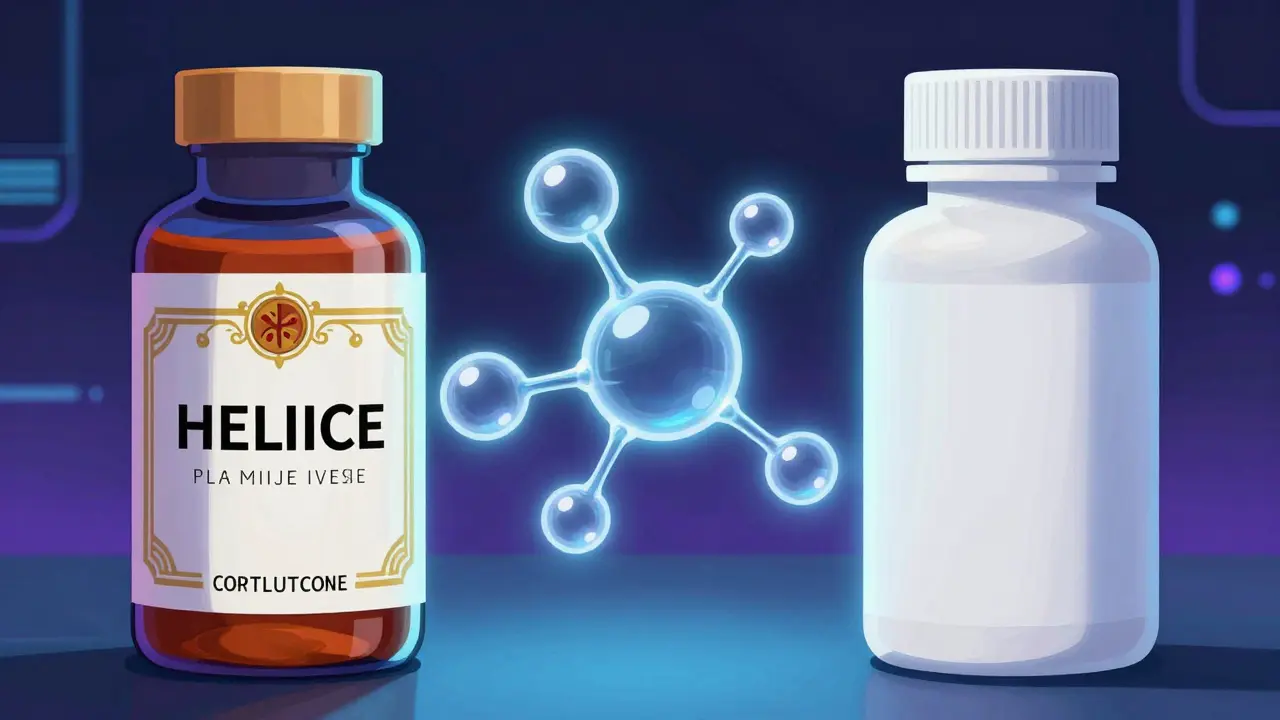
An authorized generic is different. Because it's made by the original company, it doesn't need a new application. It lives under the original New Drug Application (NDA). This means it has the exact same active ingredients and the exact same inactive ingredients. It's the same formula, the same factory, and the same quality control. The only things that change are the packaging and the price tag.
| Feature | Brand-Name Drug | Authorized Generic | Traditional Generic |
|---|---|---|---|
| Manufacturer | Original Company | Original Company | Third-party Company |
| FDA Pathway | Full NDA | Existing NDA | ANDA |
| Ingredients | Original Formula | Identical to Brand | Same Active; Different Inactive |
| Cost | Highest | Lower | Lowest |
| Orange Book Listing | Yes | No | Yes |
Why Would a Brand Company Sell a Generic Version?
It seems weird, right? Why would a company like Pfizer or Procter & Gamble want to compete with their own expensive brand? It all comes down to a strategic game of chess involving the Hatch-Waxman Act.
Under this law, the first generic company to successfully challenge a patent usually gets 180 days of "market exclusivity." For six months, they are the only generic option on the market, allowing them to charge a bit more and make a huge profit. Brand companies hate losing that market share. To fight back, they launch an authorized generic.
By releasing their own generic version, the brand company can:
- Capture a piece of the generic market immediately.
- Reduce the profit margins of the first traditional generic competitor.
- Keep patients using their specific formulation rather than switching to a competitor's version.
To keep things clean, brand companies often do this through subsidiaries. For example, Pfizer used Greenstone, and P&G used Prasco. This lets them act like a generic company while still keeping the original brand's revenue stream flowing.
What You’ll Notice When You Get One
If you're prescribed an authorized generic, don't panic if the pill doesn't look identical to your old brand-name pill. While the chemistry is exactly the same, the manufacturer might change the color or add a specific marking to distinguish it from the branded version. This is mostly for tracking and regulatory reasons.
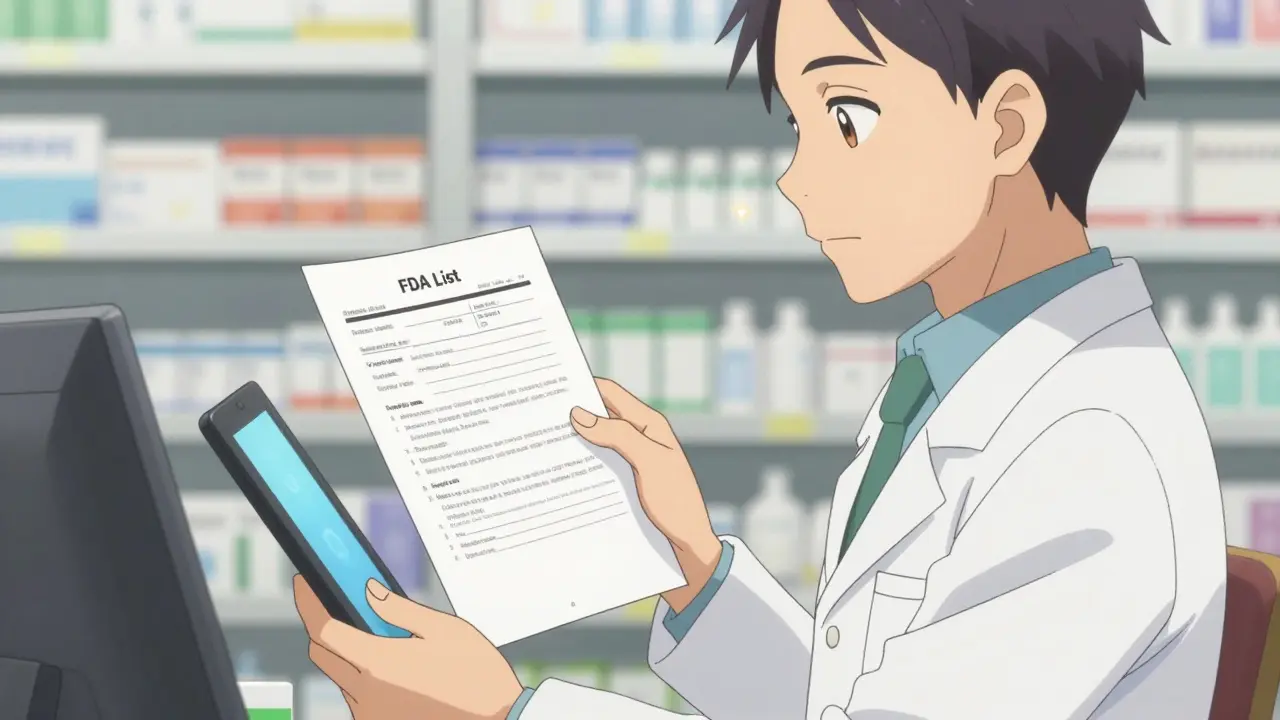
The most confusing part for many is the label. You won't see the famous brand name you've seen in commercials, but you will see the chemical name of the drug. Because these aren't listed in the Orange Book (the FDA's go-to list for therapeutic equivalence), pharmacists sometimes have to do a bit of extra digging in the FDA's separate List of Authorized Generic Drugs to verify everything. If your pharmacist seems to be double-checking the paperwork, this is likely why.
Is There a Downside?
For the patient, there is almost no downside. You get the original quality of the brand-name drug but pay a generic price. It's a win-win for your wallet and your health.
The downside is mostly felt by the healthcare system and other generic manufacturers. Critics argue that authorized generics undermine the incentive for smaller companies to challenge expensive patents. If a brand company can just launch their own generic the moment a patent expires, the "reward" for the first generic company to do the hard work of challenging the patent is diminished. This can potentially slow down the entry of other low-cost generics into the market.
Quick Tips for Patients and Caregivers
If you are unsure whether you are taking a brand, an authorized generic, or a traditional generic, here are a few ways to handle it:
- Ask your pharmacist: Simply ask, "Is this an authorized generic or a standard generic?" They can check the manufacturer's NDC (National Drug Code) to be sure.
- Check the appearance: If the pill looks exactly like the brand but the box is plain, it's likely an authorized generic.
- Compare the cost: If you're paying a generic co-pay but the drug is coming from the original manufacturer's facility, you've likely got an authorized generic.
Are authorized generics safer than traditional generics?
Not necessarily "safer," but they are identical. Both traditional and authorized generics are held to strict FDA standards. The only difference is that authorized generics are the exact same formulation as the brand, whereas traditional generics are "bioequivalent," meaning they work the same way but may have different inactive ingredients.
Why isn't my authorized generic in the Orange Book?
The Orange Book is for drugs that have gone through the ANDA (Abbreviated New Drug Application) process. Since authorized generics use the original brand's NDA, they don't need a separate application and therefore aren't listed. The FDA maintains a separate list specifically for these drugs.
Will my insurance cover an authorized generic?
Yes. Insurance companies generally treat authorized generics as standard generics because they are lower in cost than the brand name. They are typically listed as a preferred generic alternative on your formulary.
Can I request an authorized generic specifically?
You can ask your doctor to write "dispense as authorized generic" or talk to your pharmacist. However, pharmacies stock whatever generic version their supplier provides, so availability can vary by location.
Do authorized generics have the same side effects as brand names?
Yes. Because they are chemically identical in every way-including the inactive fillers-they have the exact same side effect profile as the original brand-name drug.
What to do if you're confused about your medication
If you notice your medication has changed colors or the label looks different, don't stop taking it immediately, but do seek clarification. Start by checking the medication guide that comes with your prescription. If the name of the drug (the chemical name) is the same as what your doctor prescribed, you're likely on the right track.
If you have a known allergy to a specific dye or filler, an authorized generic is actually the safest "generic" choice because it contains the exact same ingredients as the brand you already trust. If you're switching from a traditional generic back to an authorized one, you might notice a slight difference in how the pill dissolves or looks, but the therapeutic effect will remain consistent.