
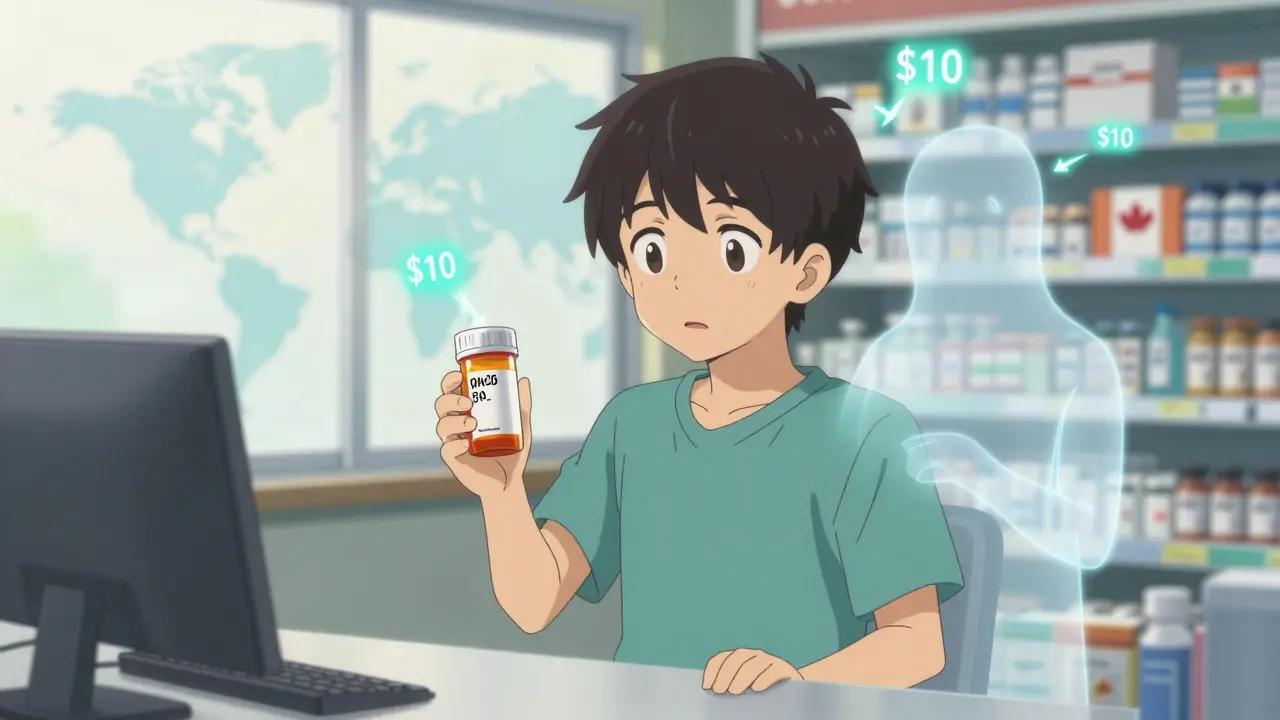
If you’ve ever stared at a prescription bill and wondered if there’s another way, you’re not alone. In the U.S., even generic drugs - the exact same active ingredients as brand-name pills - often cost hundreds of dollars a month. Meanwhile, people in Canada, the UK, or India pay a fraction of that for the same medicine. So why not just buy them overseas? The answer isn’t simple. It’s a mix of real savings, serious risks, and confusing rules.
Why U.S. Generic Drugs Cost More Than You Think
It’s a common myth that the U.S. pays the most for all drugs. But here’s the twist: when it comes to unbranded generics, the U.S. actually pays less than most other developed countries. According to the 2022 ASPE/HHS report, U.S. generic prices were just 67% of what other OECD countries paid. So why do Americans feel like they’re being overcharged? The reason is hidden in the numbers. The U.S. spends far more on brand-name drugs - often 4 times more than other countries. That’s because U.S. drug pricing isn’t about the cost of making pills. It’s about the cost of innovation. The U.S. funds about 67% of global pharmaceutical research. That’s why brand-name drugs are so expensive here: companies recoup R&D costs from American patients. But once a drug’s patent expires, the market shifts. Pharmacy benefit managers (PBMs) negotiate hard on generics. They buy in bulk. They use competition. And that’s why U.S. generics are often cheaper than elsewhere. But here’s the catch: those negotiated prices don’t always reach the patient at the pharmacy counter. Insurance rebates, formulary tiers, and pharmacy markups can still leave you paying $50 for a 30-day supply of metformin - even when it costs $10 in Canada.Where to Find Real Savings: Countries With Lower Generic Prices
Some countries have built systems designed to keep drug prices low. Take Canada. Their Patented Medicine Prices Review Board sets price caps on both brand-name and generic drugs. In 2023, Canadian generic prices were 32% lower than U.S. retail prices. The UK’s NHS gets even better deals: their generic prices are 47% below U.S. list prices. Sweden, with its strict reference pricing, has generics that cost 44% less than the European average. But it’s not just Europe. South Korea’s 2023 analysis found that over half of the 26 common generic ingredients they studied were priced lower than in the U.S. or other G20 nations. India, home to over 50% of global generic manufacturing, sells pills at a fraction of U.S. cost - sometimes under $1 per month for medications like atorvastatin or lisinopril. The problem? Getting those pills into your hands legally and safely isn’t easy.The FDA’s Rules: What’s Legal and What’s Not
The FDA doesn’t ban you from buying drugs from abroad. But they don’t encourage it either. Under their “enforcement discretion” policy, you can import a 90-day supply of medication for personal use - as long as it’s not for resale and doesn’t pose an “imminent danger.” That means:- You need a valid U.S. prescription
- You can’t order more than a three-month supply at a time
- The drug must be for a condition you’re already being treated for
- The medication must not be a controlled substance
The Hidden Risks: Counterfeits, Shipping, and Potency Loss
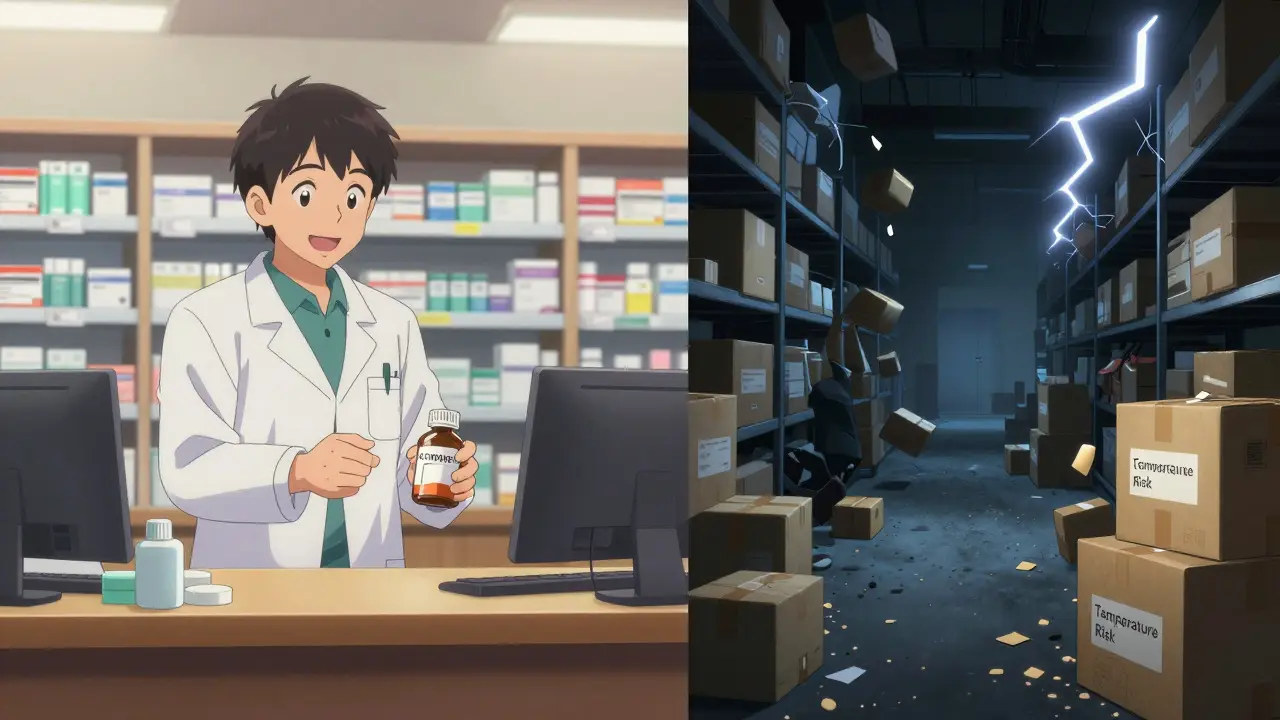
The biggest danger isn’t the law - it’s the dark web of online pharmacies. The FDA’s 2023 Import Risk Assessment found that 15.7% of seized counterfeit drugs came through international mail. Over 89% of those came from just three countries: China, India, and Canada. Not all foreign pharmacies are bad. But how do you tell the difference? Look for accreditation. The National Association of Boards of Pharmacy (NABP) runs the VIPPS program - a gold standard for online pharmacy safety. As of July 2024, only 63 international pharmacies had this certification. Then there’s the shipping problem. The International Air Transport Association says 20-25% of temperature-sensitive medications - like insulin, certain antibiotics, or biologics - experience temperature excursions during transit. That means your pills might sit in a hot warehouse for days, or get frozen in a cargo hold. Studies show this can reduce potency by up to 30%. One Reddit user, ‘AnxiousPatient,’ bought generic sertraline from an Indian site. The pills looked different - smaller, lighter, inconsistent. They had no effect. They had to see a doctor. Another user, ‘MedSaver87,’ saved $1,200 a year on atorvastatin from a Canadian pharmacy - but waited three weeks for delivery during winter.What Real Users Say: Savings vs. Stress
Trustpilot reviews of legitimate international pharmacies show an average 3.8 out of 5 stars. Of 1,247 verified reviews:- 62% praised the cost savings
- 38% complained about shipping delays or customs issues
- 68% said they got their medication
- 18% had packages seized by customs
- 9% received counterfeit or fake pills
- 5% missed doses because of delays
How to Do It Safely - If You Choose To
If you’re considering buying generics from abroad, here’s how to cut through the noise:- Use only VIPPS-accredited pharmacies - the NABP’s list is public. Avoid any site that doesn’t display it.
- Stick to Canada - it’s the safest, most regulated source. Its drug standards are nearly identical to the FDA’s.
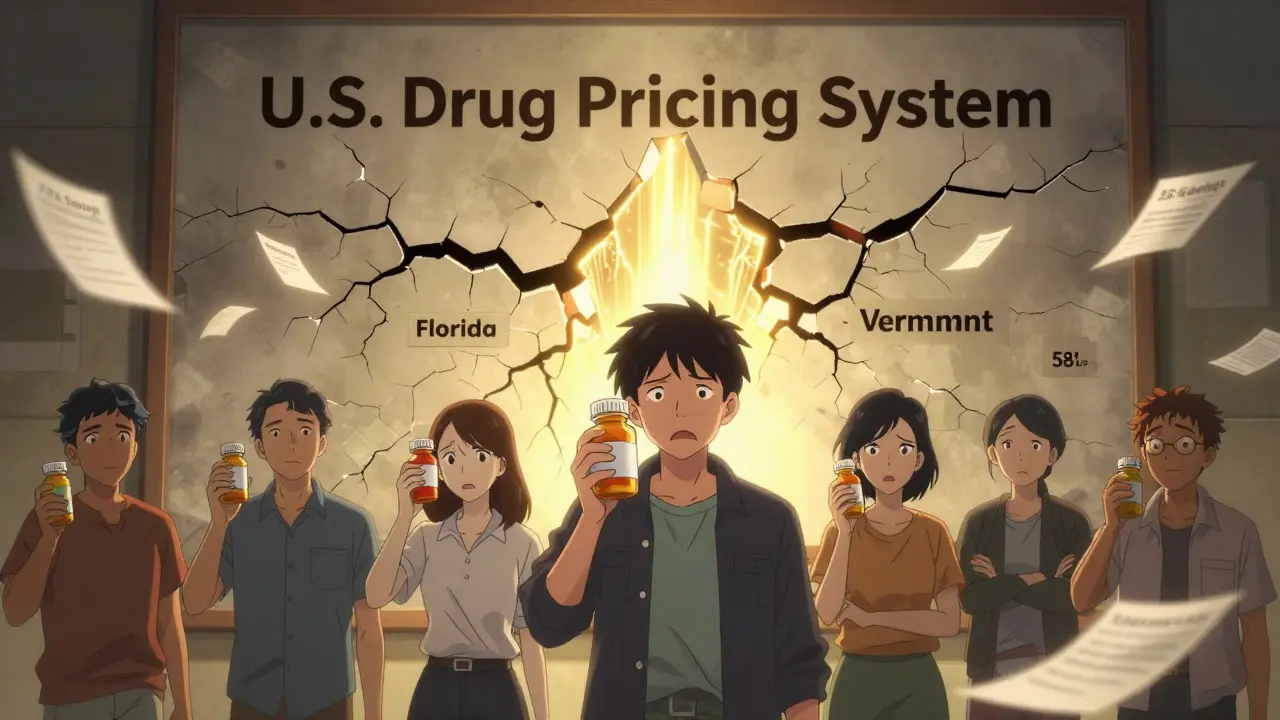
- Check your state program - if you live in Florida, Vermont, Maryland, Colorado, or Maine, you can order through a state-run system. These are legal, tracked, and inspected.
- Never buy from sites with no physical address - if the website doesn’t list a real phone number, a registered pharmacy license, or a physical location, walk away.
- Ask for a copy of the prescription label - it should match your U.S. prescription exactly. If the name, dosage, or instructions look wrong, don’t take it.
- Know your rights - if your package is seized, the customs form will say why. You can appeal, but it’s a long process.


Been buying my metformin from India for two years now. Pays like $8 a month. No drama, no stress. Just order, wait 10 days, take pills. The label’s in English, the packaging is fine. I don’t need a PhD to know I’m saving my sanity and my bank account.