
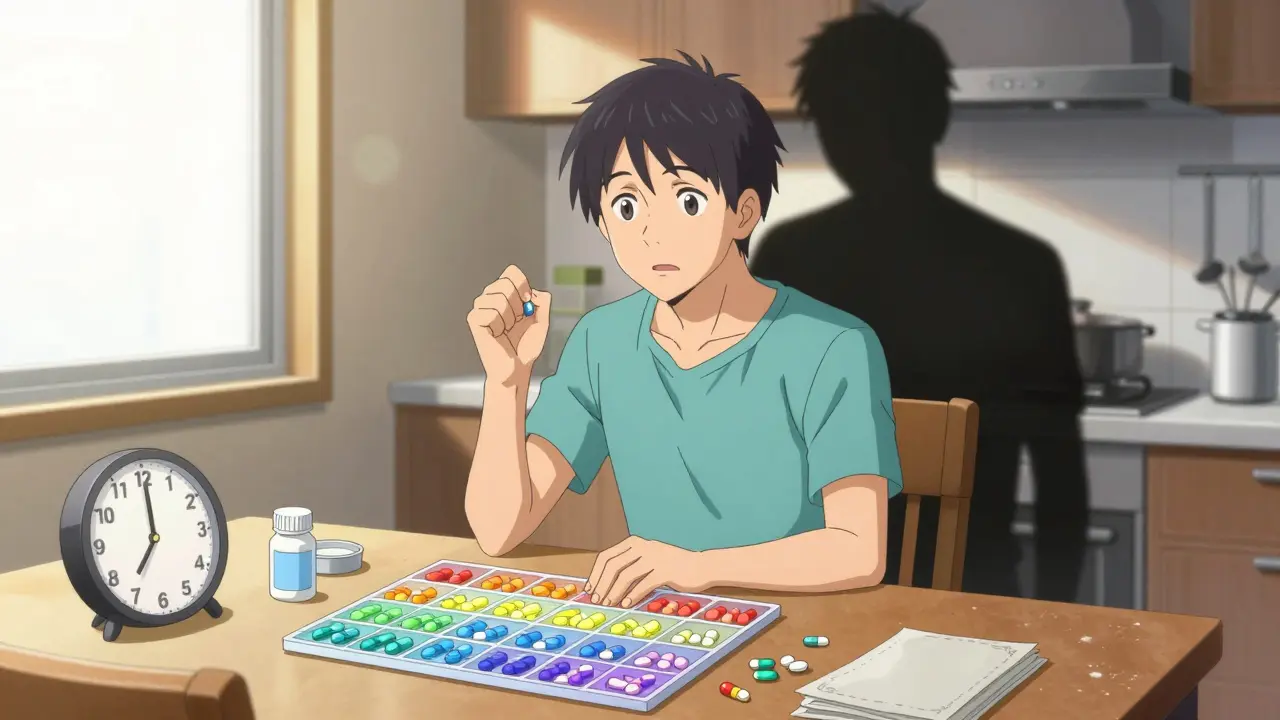
After an organ transplant, survival isn’t just about the surgery. It’s about the daily reality of taking pills that keep your body from attacking its new organ-while also making you more vulnerable to infections, weight gain, diabetes, and even cancer. For most transplant recipients, this isn’t temporary. It’s lifelong.
Why Immunosuppressants Are Non-Negotiable
Your immune system is built to fight invaders. A transplanted kidney, liver, or heart? To your body, it’s just another invader. Without drugs to suppress that response, rejection happens fast. In the 1960s, before immunosuppressants, less than 1 in 5 kidney transplant patients lived a year. Today, thanks to drugs like tacrolimus and mycophenolate, over 90% survive their first year.There’s no magic pill that lets your body accept the organ without drugs. Not yet. Even with advances in research, only a handful of patients-mostly those who received organs from identical twins-have achieved true tolerance. For everyone else, immunosuppressants are the price of survival.
The Three Pillars of Immunosuppression
Most transplant patients take a combination of three drug classes. This triple therapy isn’t random-it’s the most effective way to block rejection from multiple angles.- Calcineurin inhibitors (tacrolimus, cyclosporine): These are the backbone. Tacrolimus is used in over 90% of U.S. kidney transplants because it works better than cyclosporine. It stops T-cells from activating by blocking a key enzyme. But it’s tricky: levels need to be just right. Too low? Rejection risk. Too high? Kidney damage.
- Antimetabolites (mycophenolate mofetil, azathioprine): These cut off the building blocks that immune cells need to multiply. Mycophenolate is preferred now because it’s more effective, but it causes diarrhea, nausea, and vomiting in nearly half of patients. Azathioprine is cheaper and gentler on the gut but can lower white blood cell counts dangerously.
- Corticosteroids (prednisone): These are powerful anti-inflammatories. They help prevent acute rejection, but they also cause moon face, weight gain, bone loss, and mood swings. Many centers now try to wean patients off steroids within weeks of transplant to avoid long-term damage.
Some patients get mTOR inhibitors like sirolimus instead of calcineurin inhibitors. These are used when kidney damage from tacrolimus becomes a problem. They’re less toxic to the kidneys but can cause mouth sores, high cholesterol, and slow wound healing.
Drug Interactions: The Silent Killer
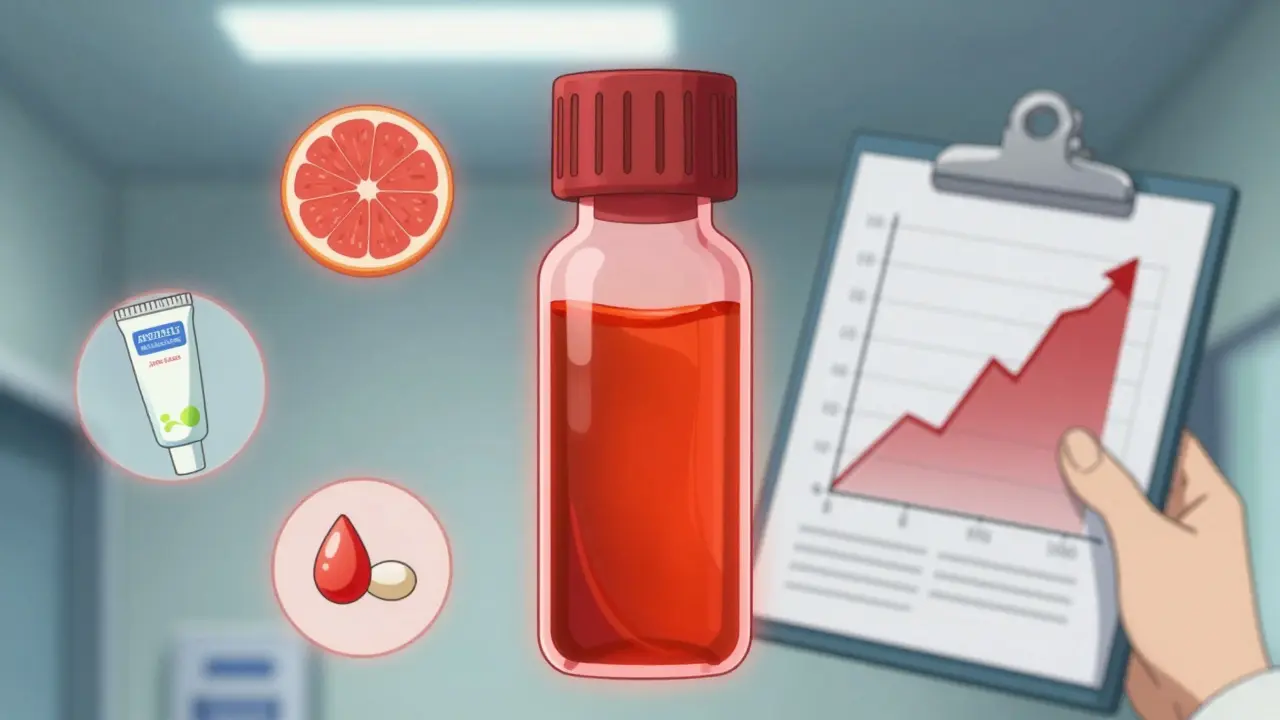
Immunosuppressants don’t live in a vacuum. They’re processed by the same liver enzymes as hundreds of other drugs. A simple change-like starting an antifungal for athlete’s foot-can send your tacrolimus levels soaring.Here’s what can go wrong:
- Antifungals like fluconazole or itraconazole can boost tacrolimus levels by up to 200%. That’s not a little bump-it’s a toxic spike that can cause kidney failure or nerve damage.
- Antibiotics like erythromycin or clarithromycin do the same thing.
- Rifampin, used for tuberculosis, can slash tacrolimus levels by 60-90%. That’s like stopping your transplant meds entirely. Rejection follows fast.
- St. John’s Wort, a popular herbal supplement, is a major enzyme inducer. It’s not just risky-it’s dangerous. Many transplant centers ban it outright.
- Over-the-counter painkillers like NSAIDs (ibuprofen, naproxen) can worsen kidney damage when combined with calcineurin inhibitors.
Therapeutic drug monitoring is non-negotiable. Blood tests for tacrolimus levels aren’t optional. They’re scheduled every week at first, then monthly. Even then, some interactions slip through. That’s why every transplant patient is told: Never start a new medication-not even an herbal tea-without checking with your transplant team.
Side Effects You Can’t Ignore
The side effects aren’t just inconvenient-they change lives.- Kidney damage: Up to 40% of kidney transplant patients on calcineurin inhibitors show signs of chronic scarring by year five. That’s why some switch to sirolimus-to protect what’s left of their kidney function.
- New-onset diabetes: Tacrolimus increases this risk to 20-30%. Cyclosporine is better here, but worse for the kidneys. It’s a trade-off no one asked for.
- Bone loss: Corticosteroids cause osteoporosis in 40-60% of long-term recipients. One in three will break a bone by decade’s end. Many end up on bisphosphonates just to keep their spine from collapsing.
- Weight gain and body changes: Steroids cause fat to collect in the face, neck, and belly. Patients report not recognizing themselves in the mirror. One Reddit user wrote, “I looked like a different person. My wife cried when she saw me.”
- Infections: With your immune system turned down, even a common cold can turn deadly. Fungal, viral, and bacterial infections are the #1 cause of death after the first year. That’s why raw sushi, undercooked eggs, and crowded places are off-limits.
- Cancer: Skin cancer is the most common. One in four liver transplant patients develops non-melanoma skin cancer. HPV-related cancers are 100 times more common than in the general population. Regular skin checks aren’t optional-they’re life-saving.
Real Stories, Real Struggles
Behind the numbers are people trying to live.A 52-year-old woman in Melbourne told her nurse she stopped taking her mycophenolate because the diarrhea was worse than the transplant. She ended up back in the hospital with rejection. Her doctor said, “You can’t pick and choose which side effects you’ll tolerate.”
A man in Ohio switched from tacrolimus to sirolimus after his kidney function dropped to 38 mL/min. Within 18 months, it rose to 52. But he got mouth ulcers every month and had to start a statin for high cholesterol. “It’s not better,” he said. “It’s just different.”
On Reddit, a kidney recipient named u/KidneyWarrior describes “steroid rage”-sudden bursts of anger he couldn’t control. “I yelled at my kids. I cried for no reason. I didn’t know it was the medicine until my wife showed me the list of side effects.”
These aren’t rare cases. A 2022 survey of 1,247 transplant recipients found 41% said side effects hurt their quality of life more than the transplant itself.
Managing the Daily Grind
Taking eight to twelve pills a day at precise times isn’t easy. Miss one dose? Rejection risk rises. Take two by accident? Toxicity follows.Many use electronic pill dispensers that beep and unlock compartments at the right time. One study showed these raised adherence from 72% to 89%. That’s not a small win-it’s the difference between keeping your organ and losing it.
Monitoring is relentless:
- Monthly blood counts to catch low white cells or anemia
- Quarterly lipid panels-60-70% of recipients have high cholesterol
- Biannual glucose tests to catch diabetes early
- Annual skin exams by a dermatologist
And you have to live close to your transplant center. In the U.S., 92% of programs require you to stay within two hours’ drive for the first year. Why? Because rejection can hit fast-and you need to get there fast.
What’s Changing? Hope on the Horizon
The field isn’t standing still.In 2023, the FDA approved voclosporin, a new calcineurin inhibitor with fewer kidney side effects. Early data shows it’s just as good at preventing rejection but causes 24% less kidney damage.
Belatacept, a drug that works differently by blocking T-cell activation without calcineurin inhibition, showed 30% lower heart disease and 25% fewer cancers after seven years. The catch? Higher rejection rates early on. It’s not for everyone-but it’s a breakthrough for those who can tolerate it.
The most exciting research? Immune tolerance. In a 2023 trial, 15% of kidney recipients were able to stop all immunosuppressants after receiving regulatory T-cell therapy. No drugs. No rejection. Just a functioning organ. It’s not widespread yet. But it’s real.
Meanwhile, steroid withdrawal is now standard in 85% of top centers. Many patients are off prednisone within two weeks. That alone cuts diabetes, bone loss, and weight gain by a third.
The Hard Truth
You take these drugs because you have no choice. The alternative is death. But the cost is high: chronic fatigue, emotional swings, constant fear of infection, and the burden of a lifetime of pills and tests.Yet, 186,625 Americans are alive today because of these drugs. They’re living with grandchildren, working, traveling. They’re not just surviving-they’re living.
The goal isn’t just to keep organs alive. It’s to help people live well. That means better drugs, smarter monitoring, and listening to patients who say, “This side effect is breaking me.”
The science is moving. The challenge now is making sure the care keeps up.
Can I stop taking my immunosuppressants if I feel fine?
No. Feeling fine doesn’t mean your immune system has stopped trying to reject the organ. Stopping these drugs-even for a few days-can trigger acute rejection, which often leads to organ failure. Most transplant recipients must take these medications for life. There are rare exceptions under strict research protocols, but never without your transplant team’s supervision.
What should I do if I miss a dose of my transplant medication?
If you miss one dose, take it as soon as you remember-unless it’s close to your next scheduled dose. Then skip the missed dose and resume your regular schedule. Never double up. Contact your transplant center immediately. They may want to check your drug levels or adjust your next dose. Missing doses increases rejection risk, so always have a backup plan, like a pill dispenser or a trusted person to remind you.
Are there any foods I should avoid while on immunosuppressants?
Yes. Avoid raw or undercooked meat, eggs, seafood, and unpasteurized dairy-these carry risks of Listeria and Salmonella, which your weakened immune system can’t fight. Also avoid grapefruit and Seville oranges-they interfere with how tacrolimus and cyclosporine are broken down, causing dangerous spikes in drug levels. Stick to cooked, fresh, and pasteurized foods. Wash all produce thoroughly.
Why do I need so many blood tests after my transplant?
Because immunosuppressants have narrow safety margins. Too little, and your body rejects the organ. Too much, and you risk kidney damage, nerve problems, or cancer. Blood tests track drug levels, kidney and liver function, blood cell counts, cholesterol, and glucose. These aren’t routine checkups-they’re survival tools. Skipping them puts your transplant at risk.
Can I get vaccinated after an organ transplant?
Yes-but only certain vaccines. Live vaccines (like MMR, chickenpox, nasal flu) are dangerous because they can cause infection in an immunosuppressed person. Inactivated vaccines (flu shot, pneumonia, COVID-19, tetanus) are safe and strongly recommended. Always check with your transplant team before getting any shot. Timing matters too-vaccines are most effective before transplant or at least 3-6 months after.
Is it safe to use herbal supplements or CBD after a transplant?
Almost always no. Herbs like St. John’s Wort, echinacea, garlic, and green tea can interfere with immunosuppressant levels. CBD can inhibit liver enzymes that break down tacrolimus, leading to toxicity. Even “natural” doesn’t mean safe. Most transplant centers ban all supplements unless approved in writing. Always disclose everything you take-even vitamins and teas.
Why do some transplant patients develop high blood pressure?
Calcineurin inhibitors like tacrolimus and cyclosporine cause blood vessels to constrict, raising blood pressure. Corticosteroids increase fluid retention and sodium levels. Together, these effects make hypertension extremely common-78% of transplant recipients develop it. It’s managed with diet, exercise, and medications like ACE inhibitors, but it’s a lifelong challenge tied directly to the drugs keeping your organ alive.
How do I know if I’m having organ rejection?
Signs vary by organ. For kidneys: swelling, decreased urine output, sudden weight gain, high blood pressure, or fever. For liver: yellow skin, dark urine, abdominal pain, nausea. For heart: fatigue, shortness of breath, irregular heartbeat. But rejection can be silent. That’s why regular biopsies and blood tests are critical. Never wait for symptoms-report any new or worsening change to your team immediately.
What’s the long-term outlook for transplant recipients?
Ten-year survival for kidney transplant recipients is about 65%, compared to 85% for healthy people their age. That gap exists because of drug side effects-heart disease, cancer, infections, and organ damage. But outcomes keep improving. With better drugs, steroid-free regimens, and tighter monitoring, more people are living longer, healthier lives after transplant than ever before.
Can I have children after an organ transplant?
Yes, many transplant recipients have healthy pregnancies. But it requires careful planning. Pregnancy is safest at least one to two years after transplant, with stable kidney or liver function and low-dose immunosuppression. Some drugs, like mycophenolate, are dangerous during pregnancy and must be switched months before conception. Always consult your transplant team and an obstetrician experienced in high-risk pregnancies before trying to conceive.
Next Steps for Patients
If you’re on immunosuppressants:- Keep a written log of every pill you take, with time and dose.
- Use a pill dispenser with alarms-don’t rely on memory.
- Never start a new medication, supplement, or herb without approval.
- Get skin checks every six months and report any new moles or sores.
- Know your drug levels and target ranges-ask your pharmacist to explain them.
- Find a support group. Talking to others who get it reduces isolation.
- Stay within two hours of your transplant center for emergencies.
Transplant isn’t a cure. It’s a continuous negotiation between life and risk. But with the right care, it’s a life worth living.


This is why I hate how doctors treat transplant patients like lab rats. You get a new organ but lose your fucking life to side effects. I've seen guys on tacrolimus turn into walking zombies-shaking, bloated, paranoid. And don't even get me started on the 'never stop meds' dogma. What if you're dying from the treatment? No one cares. They just want your organ to last.