
Medication Authenticity: How to Spot Fake Drugs and Stay Safe
When you pick up a prescription, you expect it to work—safe, effective, and real. But counterfeit medications are more common than most people realize. According to the WHO, up to 1 in 10 medical products in low- and middle-income countries are fake, and even in the U.S., online pharmacies and shady distributors slip in dangerous imitations. Medication authenticity, the assurance that a drug is exactly what it claims to be—correct active ingredient, proper dosage, and approved manufacturing. Also known as drug integrity, it’s not just about avoiding scams—it’s about preventing poisoning, organ failure, or treatment failure. You don’t need to be a pharmacist to protect yourself. You just need to know what to look for.
Generic drugs, the FDA-approved, lower-cost versions of brand-name medicines. Also known as generic substitution, they’re not second-rate—they’re identical in active ingredients, strength, and performance. The FDA requires them to meet the same strict standards as brand-name drugs. But here’s the catch: if you buy generics from an unverified source, you’re not getting FDA-approved product—you’re getting a gamble. That’s where drug safety, the practice of ensuring medications are properly sourced, labeled, and stored to prevent harm. Also known as pharmaceutical integrity, it becomes your personal responsibility. Fake pills might contain no active ingredient, toxic chemicals, or the wrong dose. We’ve seen cases where people taking fake blood thinners had strokes, or fake antibiotics made infections worse. These aren’t rare horror stories—they’re preventable.
How do you avoid them? First, never buy pills from websites that don’t require a prescription. If it looks too good to be true—like $5 for a month’s supply of insulin—it is. Always check the pharmacy’s license. In the U.S., look for the VIPPS seal (Verified Internet Pharmacy Practice Sites). Look at the pill itself: color, shape, markings should match what your doctor or pharmacist described. If it looks different this time, ask. Don’t assume it’s just a new batch. FDA approval, the official validation that a drug meets safety and efficacy standards before it hits the market. Also known as regulatory clearance, it’s your baseline guarantee. If the label doesn’t list the manufacturer, or the packaging looks blurry or poorly printed, walk away.
You’re not alone in worrying about this. People on long-term meds—for diabetes, seizures, heart disease—are especially vulnerable. That’s why tracking lot numbers and signing up for recall alerts matters. It’s not paranoia. It’s smart. The same tools that help you find the best generic price—like checking GoodRx or talking to your pharmacist—also help you verify authenticity. If your pharmacy won’t let you see the original container or won’t answer questions about where the drug came from, find a new one.
Below, you’ll find real stories and practical guides from patients who’ve dealt with side effects, drug switches, recalls, and counterfeit risks. You’ll learn how to read labels, spot red flags, and what to do if you suspect something’s off. No fluff. No marketing. Just what you need to keep your meds—and your health—safe.
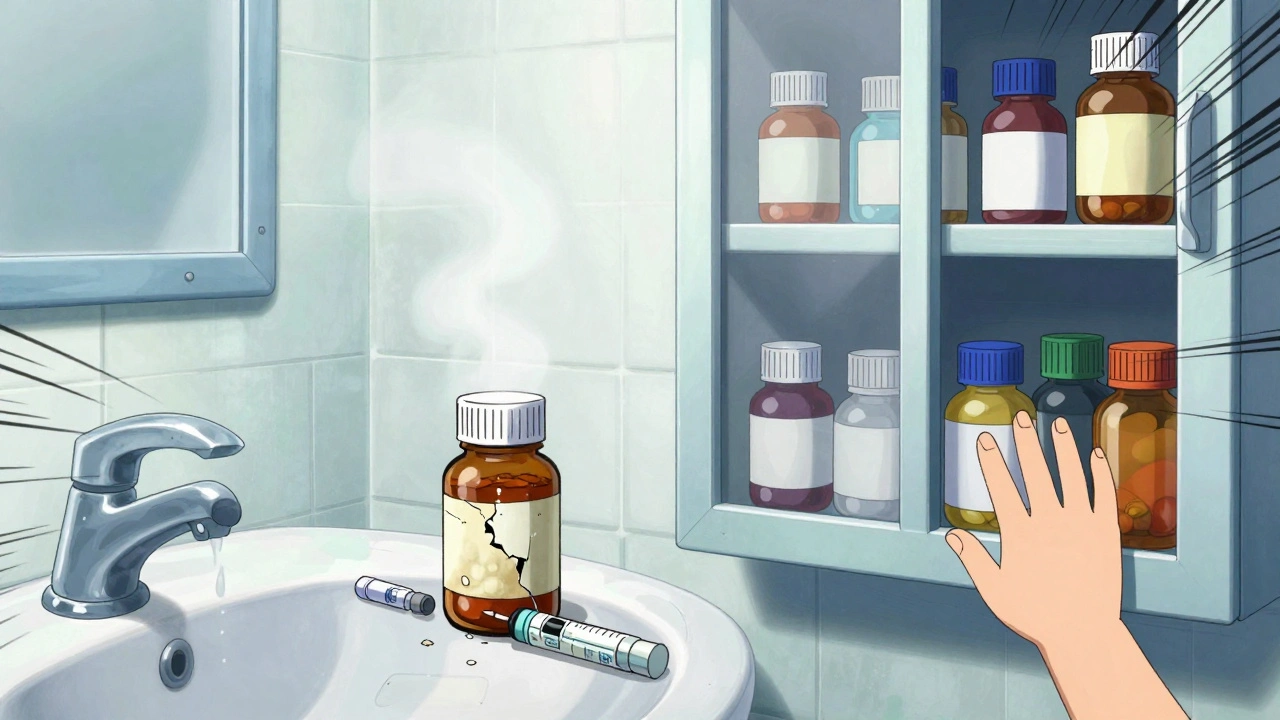
Medication Storage and Authenticity: How to Protect Your Home Supply from Counterfeits and Accidents
Learn how to store medications safely at home to prevent accidental poisonings, teen misuse, and counterfeit drugs. Discover the best storage practices, temperature rules, and disposal methods backed by health authorities.
More Detail