
Meniere's Disease: Symptoms, Triggers, and Treatment Options
When your world suddenly spins without warning, and your ear rings like a broken alarm clock, you might be dealing with Meniere's disease, a chronic inner ear disorder that disrupts balance and hearing. Also known as endolymphatic hydrops, it doesn’t just cause dizziness—it steals your sense of control, one attack at a time. This isn’t just occasional lightheadedness. Meniere's disease involves fluid buildup in the inner ear, which messes with the signals your brain gets about movement and sound. That’s why you get vertigo that hits like a punch, muffled hearing that comes and goes, and that constant buzz in your ear—tinnitus, a ringing or roaring sound with no external source—that won’t quit.
Most people with Meniere's also struggle with hearing loss, typically starting in one ear and often fluctuating in the early stages. Over time, that hearing loss can become permanent. It’s not just about volume—it’s about clarity. Words sound fuzzy, phone calls become stressful, and background noise turns into a wall of static. What makes it worse is how unpredictable it is. One day you’re fine, the next you’re lying down for hours, nauseous and terrified it’ll hit again. Triggers? Stress, salt, caffeine, and even weather changes can set it off. No one knows exactly why the fluid builds up, but it’s tied to how your body manages pressure in the inner ear.
There’s no cure, but there are ways to take back some control. Doctors often start with low-salt diets and diuretics to reduce fluid buildup. For bad attacks, motion sickness meds can help calm the spinning. If that doesn’t cut it, injections into the ear or even surgery become options. The key is catching it early and tracking your triggers. Keeping a journal of when attacks happen—what you ate, how much sleep you got, how stressed you felt—can reveal patterns no scan ever could. And while hearing aids won’t fix the root problem, they can help you stay connected when your ears betray you.
What you’ll find below aren’t just articles—they’re real-world guides from people who’ve lived through this. You’ll see how certain medications help or hurt, what lifestyle tweaks actually make a difference, and how to talk to your doctor when the standard advice isn’t enough. This isn’t theoretical. It’s what works for real patients dealing with the daily grind of Meniere’s.
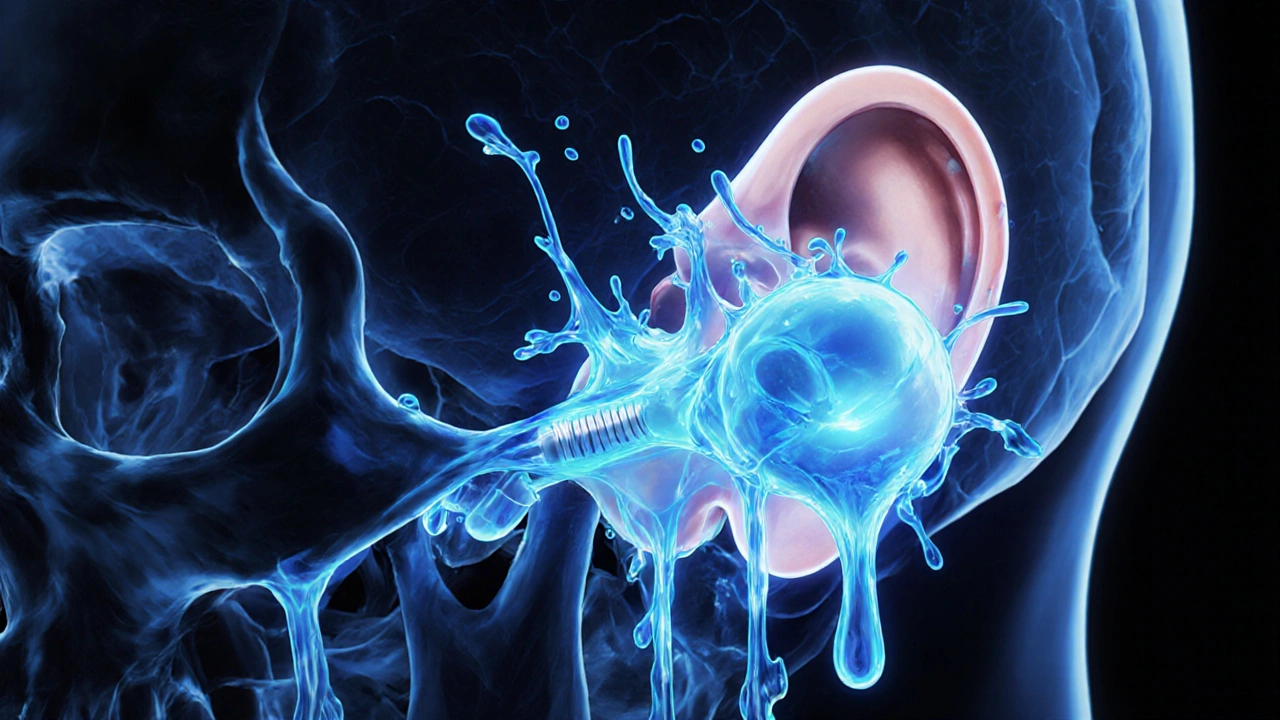
Meniere’s Disease: Managing Inner Ear Fluid and Reducing Symptoms
Meniere’s disease causes vertigo, hearing loss, and tinnitus due to inner ear fluid buildup. Learn how diet, medications, and new immune-targeted therapies can manage symptoms and protect hearing.
More Detail