
Diabetes Medication Interaction Checker
Enter your current diabetes medication and other medications to check for dangerous interactions. This tool helps identify combinations that may cause hypoglycemia, heart issues, or kidney problems.
When you’re managing diabetes, taking the right medication is only half the battle. The other half? Knowing what diabetes drug interactions can sneak up on you - especially when you’re on more than one pill or injection. It’s not just about whether the drugs work. It’s about whether they work safely together.
Why Some Diabetes Medications Don’t Play Nice
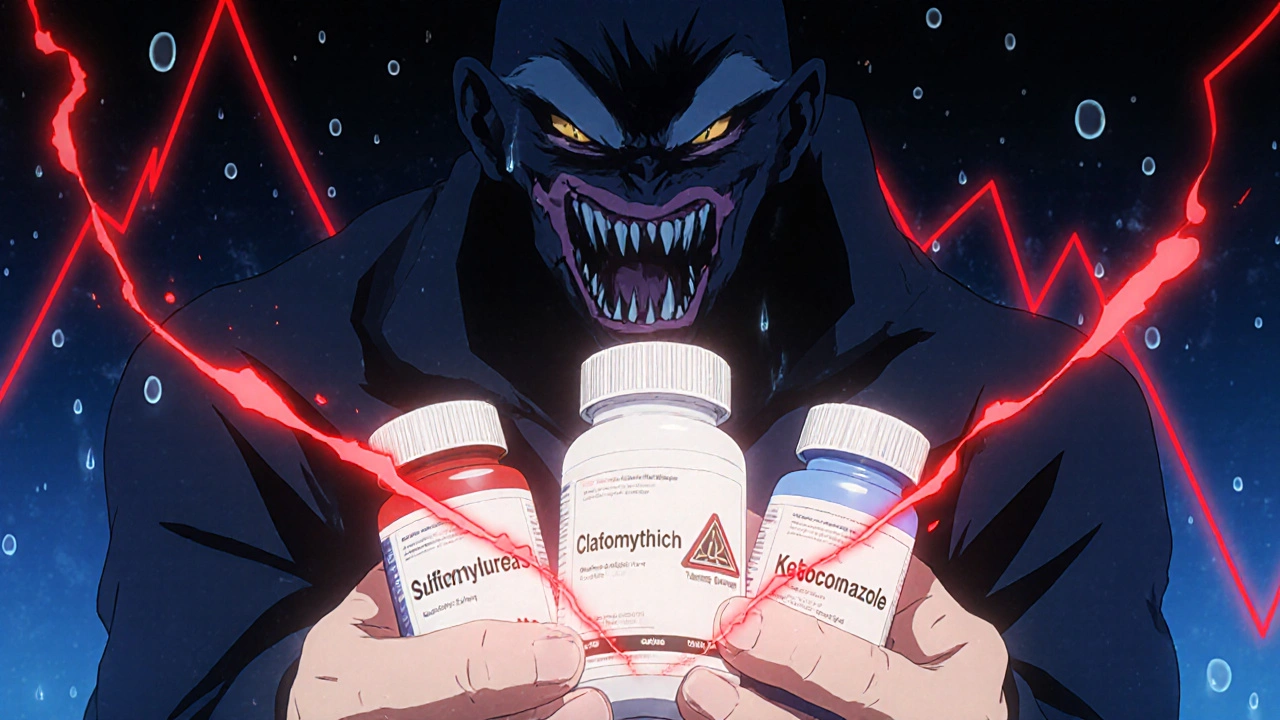
Not all diabetes drugs are created equal when it comes to how they interact with other medicines. Some are like quiet roommates - they mind their own business. Others? They’re the ones who turn up the music at 2 a.m. and forget to clean up. Take sulfonylureas, for example. These older drugs - like glimepiride or glyburide - push your pancreas to make more insulin. But if you’re also taking an antibiotic like clarithromycin or an antifungal like ketoconazole, things can go sideways fast. These drugs block the CYP3A4 and CYP2C9 enzymes your liver uses to break down sulfonylureas. The result? Too much insulin in your system. That’s not just inconvenient - it’s dangerous. Severe, life-threatening hypoglycemia can happen within hours. Meglitinides like repaglinide and nateglinide face the same problem. Repaglinide is especially sensitive to CYP3A4 inhibitors. A single dose of itraconazole, a common antifungal, can double or triple repaglinide levels in your blood. Nateglinide? It’s mostly handled by CYP2C9, so drugs like fluconazole or amiodarone can trigger the same crash.The Hidden Danger: Insulin and Thiazolidinediones
Insulin is powerful. It’s often the go-to when other drugs don’t cut it. But pairing it with rosiglitazone - a thiazolidinedione - is like pouring gasoline on a fire you thought was out. Rosiglitazone makes your body more sensitive to insulin. That sounds good, right? Until you add real insulin on top. The combination can cause massive fluid retention. Swelling in your legs, sudden weight gain, shortness of breath - these aren’t side effects. They’re early signs of heart failure. The American Diabetes Association’s 2025 guidelines specifically warn against this combo. It’s not just discouraged. It’s considered unsafe for most people, especially those with existing heart conditions.Metformin: The Safe One… Until It Isn’t
Metformin is usually the first-line treatment. It’s cheap, effective, and has fewer interactions than most. But it’s not bulletproof. The big risk? Kidneys. Metformin leaves your body through your kidneys. If something else you’re taking - like contrast dye for a CT scan, or certain antibiotics - harms kidney function, metformin builds up. That’s when lactic acidosis, a rare but deadly condition, can occur. It’s not common, but it’s deadly when it happens. That’s why doctors check your kidney function before starting metformin, and again if you start new medications. Even something as simple as a diuretic like furosemide can raise your creatinine levels and make your kidneys work harder. If you’re on metformin and your doctor prescribes a new pill, always ask: “Could this affect how my kidneys handle my diabetes meds?”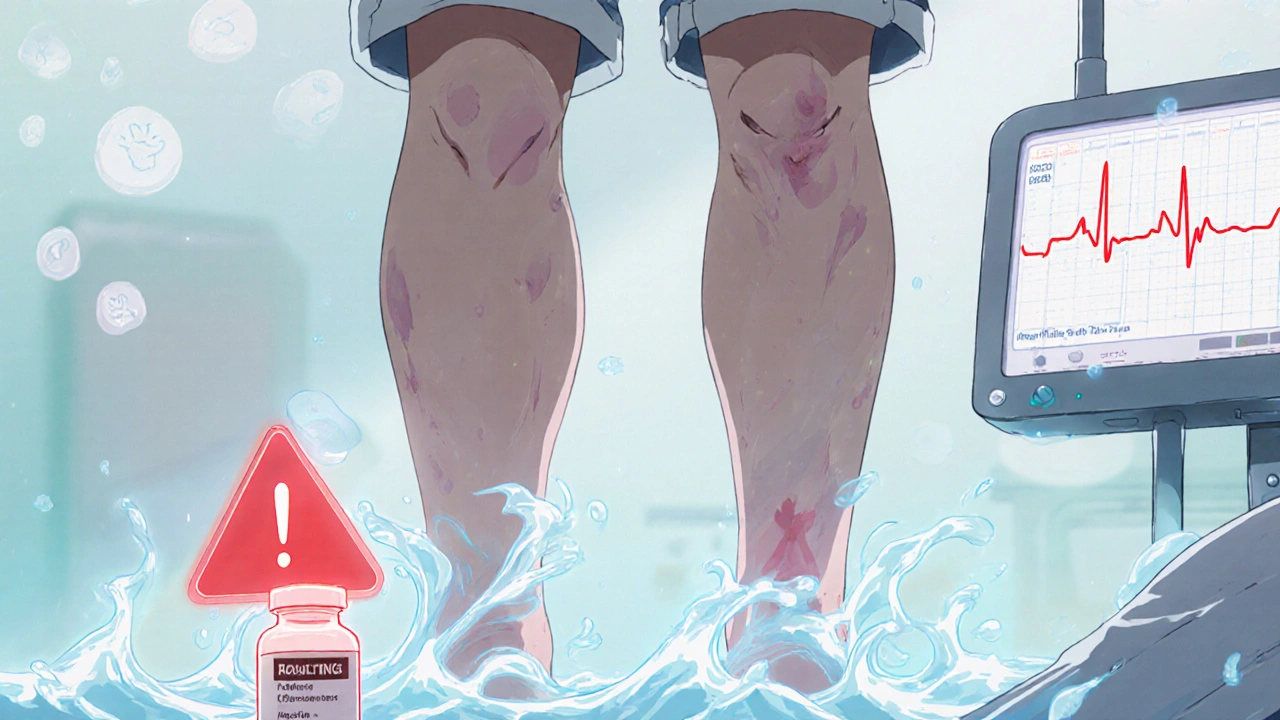
Newer Drugs Are Safer - But Not Foolproof
The newer classes of diabetes drugs - GLP-1 receptor agonists (like semaglutide or liraglutide) and SGLT-2 inhibitors (like empagliflozin or dapagliflozin) - are better behaved. They don’t rely on liver enzymes the same way older drugs do. That makes them ideal partners in combination therapy. The ADA now recommends GLP-1 RAs paired with insulin over insulin alone. Why? Because GLP-1 RAs slow digestion, reduce appetite, and lower blood sugar without causing as many lows. Plus, they help with weight loss and heart protection. That’s a triple win. But even these aren’t completely interaction-free. SGLT-2 inhibitors can increase the risk of dehydration. If you’re also on a diuretic or blood pressure meds like ACE inhibitors, you could end up with low blood pressure, dizziness, or even kidney stress. Stay hydrated. Monitor your urine output. Watch for signs of dizziness when standing up. And here’s one you might not expect: GLP-1 RAs and DPP-4 inhibitors (like sitagliptin) should never be used together. They do the same thing - boost GLP-1 levels. Using both is like turning up the same volume knob twice. It doesn’t help. It just increases side effects like nausea and pancreatitis risk - with no extra benefit.Other Medications That Can Throw Off Your Blood Sugar
It’s not just diabetes drugs that cause trouble. Common prescriptions and even over-the-counter meds can mess with your glucose control. Corticosteroids - prednisone, dexamethasone - are a big one. They make your liver pump out more glucose. If you’re on steroids for asthma, arthritis, or even an allergic reaction, your blood sugar can spike overnight. You might need to adjust your insulin or oral meds during that time. Don’t wait until you feel awful. Check your levels more often. Beta-blockers like metoprolol can hide the warning signs of low blood sugar. Normally, you’d feel shaky, sweaty, or your heart races. Beta-blockers mask those. You might not know you’re having a hypoglycemic episode until it’s too late. If you’re on a beta-blocker, check your blood sugar more frequently - even if you feel fine. Quinine, found in some leg cramp remedies and tonic water, can trigger hypoglycemia. It’s rare, but documented. If you’re on insulin or sulfonylureas, avoid tonic water. And if you’re prescribed quinine for malaria or leg cramps, tell your doctor you have diabetes. Somatostatin analogues - used for certain tumors - are tricky. They can either lower or raise blood sugar unpredictably. One day you’re fine. The next, you’re crashing. These drugs require close monitoring and often need insulin adjustments.
What You Should Do Right Now
If you’re taking more than one diabetes medication - or any other regular drugs - here’s what to do:- Keep a full list of everything you take: pills, injections, supplements, even herbal teas.
- Bring that list to every doctor visit - even if it’s for your back or a cold.
- Ask your pharmacist: “Could any of these interact with my diabetes meds?” Pharmacists are trained to spot these risks.
- Monitor your blood sugar more often when starting a new drug, even if it’s not a diabetes medicine.
- If you feel unusually tired, dizzy, shaky, or confused - check your glucose. Don’t assume it’s just stress.
Bottom Line: Know Your Meds, Know Your Risks
Diabetes isn’t just about sugar. It’s about how your whole body responds to the drugs you take. Some combinations are safe. Others can land you in the hospital. The safest approach? Stick with newer agents like GLP-1 RAs and SGLT-2 inhibitors when possible. Avoid stacking drugs that do the same thing. Watch out for kidney and liver stressors. And never assume a new prescription is harmless just because it’s not a diabetes drug. Your body is a complex system. Medications don’t work in isolation. The more you understand how they interact, the more control you have - not just over your blood sugar, but over your health.Can I take over-the-counter painkillers with my diabetes medication?
Most OTC painkillers like acetaminophen (Tylenol) are safe with diabetes meds. But NSAIDs like ibuprofen or naproxen can affect kidney function, especially if you’re on metformin. They can also raise blood pressure and mask signs of low blood sugar. Use them sparingly and only if your doctor approves. Always check with your pharmacist before starting any new OTC product.
Do herbal supplements interact with diabetes drugs?
Yes - and many people don’t realize it. Supplements like bitter melon, cinnamon, or fenugreek can lower blood sugar on their own. When added to insulin or sulfonylureas, they can cause dangerous lows. St. John’s wort can interfere with how your liver breaks down some diabetes drugs, making them less effective. Always tell your doctor about every supplement you take - even if you think it’s "natural" and harmless.
Why can’t I take two GLP-1 receptor agonists together?
GLP-1 RAs work by boosting the same hormone in your body. Taking two - like semaglutide and liraglutide - doesn’t give you better control. It just increases side effects like nausea, vomiting, and risk of pancreatitis. The American Diabetes Association specifically says this combination offers no benefit and increases harm. Stick to one GLP-1 RA at a time.
Is it safe to take metformin with antibiotics?
Some antibiotics are safe. Others aren’t. Metformin is cleared by your kidneys, and certain antibiotics - like ciprofloxacin or trimethoprim - can reduce kidney function temporarily. If you’re on metformin and need antibiotics, your doctor may advise you to pause metformin for a few days or check your kidney levels before and after. Never stop or change your dose without talking to your healthcare provider.
What should I do if I miss a dose and my blood sugar spikes?
Don’t double up on your next dose. That’s how dangerous lows happen. Instead, check your blood sugar, drink water, and note what you ate. If your sugar is high but you feel fine, wait and recheck in a few hours. If it’s over 250 mg/dL and you feel unwell, contact your doctor. They may suggest a temporary adjustment - not a big dose correction. Always follow your personalized plan.


Yeah right like anyone actually reads the fine print on their meds
My grandma took metformin with ibuprofen for years and never even blinked
Turns out her kidneys were toast and she didn’t even know it until she passed out at Walmart
Doctors are lazy and pharmacists don’t care
It’s all about the profit margin