
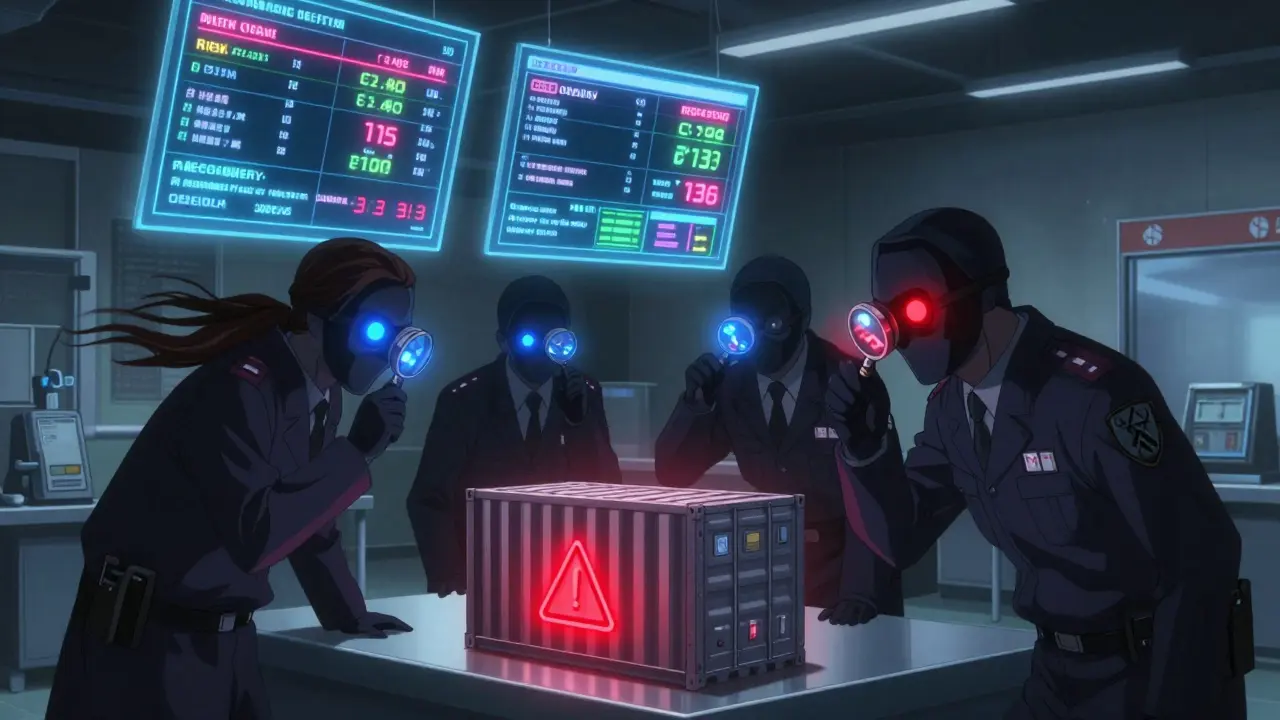
Every pill, injection, or capsule that enters the U.S. from abroad goes through a strict inspection system run by the FDA
It’s easy to assume that if a drug is sold in the U.S., it’s safe. But the truth is, nearly 43% of all medications consumed in the country are made overseas. That means the FDA has to screen millions of shipments every year to stop contaminated, fake, or poorly made drugs from reaching patients. This isn’t just paperwork-it’s a real-time, high-stakes operation that keeps dangerous products out of pharmacies, hospitals, and homes.
The system isn’t perfect, but it’s far more advanced than most people realize. Since 2013, the FDA has built a layered defense using technology, risk scoring, and international cooperation. Every drug shipment-whether it’s a single vial for a research lab or a container full of generic blood pressure pills-gets reviewed before it clears customs.
The five steps of FDA’s drug import inspection process
When a drug shipment arrives at a U.S. port, it doesn’t just roll off the truck. It enters a five-phase inspection system designed to catch problems before they reach consumers.
- Entry Submission: The importer (or their customs broker) files electronic paperwork through the FDA’s Prior Notice System Interface (PNSI). This includes details like the product name, manufacturer, quantity, and intended use. Missing or incorrect info here triggers an automatic hold.
- Entry Review: The FDA’s automated system scans over 98% of entries in seconds. It flags anything risky: products from past violators, shipments with incomplete documentation, or drugs linked to known contamination issues. About 15.7% of all entries get flagged for deeper review.
- Examination and Sampling: If flagged, the shipment is physically held. FDA inspectors might check the labels, take samples for lab testing, or inspect the packaging. They look for signs of tampering, incorrect ingredients, or poor manufacturing conditions. In 2022, 14.3% of physically examined shipments were detained.
- Compliance Review: The FDA checks if the manufacturer is registered, if the product is listed properly, and whether it meets current good manufacturing practices (cGMP). If the facility has a history of violations, the chances of rejection jump significantly.
- Final Admissibility Decision: The shipment is either released, held for correction, or refused. In 2022, 67.8% of detained shipments were permanently blocked from entering the U.S.
What gets flagged-and why
Not all shipments are treated the same. The FDA doesn’t inspect every box. Instead, it uses risk-based targeting to focus on what matters most.
High-risk shipments include:
- Drugs from facilities with past violations (especially in India and China)
- Products labeled as dietary supplements but containing hidden pharmaceuticals
- Shipments with missing or fake documentation
- Drugs sold online without a prescription
- Active pharmaceutical ingredients (APIs) that haven’t been inspected in over a year
One of the biggest red flags is labeling. The FDA requires exact details: manufacturer name, lot number, expiration date, and proper warnings. A single missing word on a label can cause a shipment to be detained for weeks.
Even small mistakes add up. In 2022, 28% of delays were caused by incorrect product codes, 21% by unverified registration, and 19% by labeling errors. For companies shipping frequently, these aren’t just inconveniences-they’re financial risks.
The Secure Supply Chain Pilot Program: Fast track for trusted makers
Not all manufacturers are treated like suspects. The FDA runs a special program called the Secure Supply Chain Pilot Program (SSCPP), launched in 2019, that lets top-tier companies get their drugs cleared in under two days.
To qualify, a manufacturer must:
- Have zero compliance violations in the last three years
- Pass a rigorous on-site audit by FDA inspectors
- Submit to ongoing monitoring
- Designate up to five products for expedited clearance
As of late 2023, only 27 companies qualified. Big names like Johnson & Johnson use it to keep their supply chains running smoothly. One executive said it cut their clearance time variability from ±5 days to ±8 hours.
But for smaller firms-especially generic drug makers-it’s nearly impossible to qualify. The bar is too high, and the cost of compliance is too steep. That’s why 37% of generic APIs from certain Indian facilities are still being detained, even when they’re perfectly made.
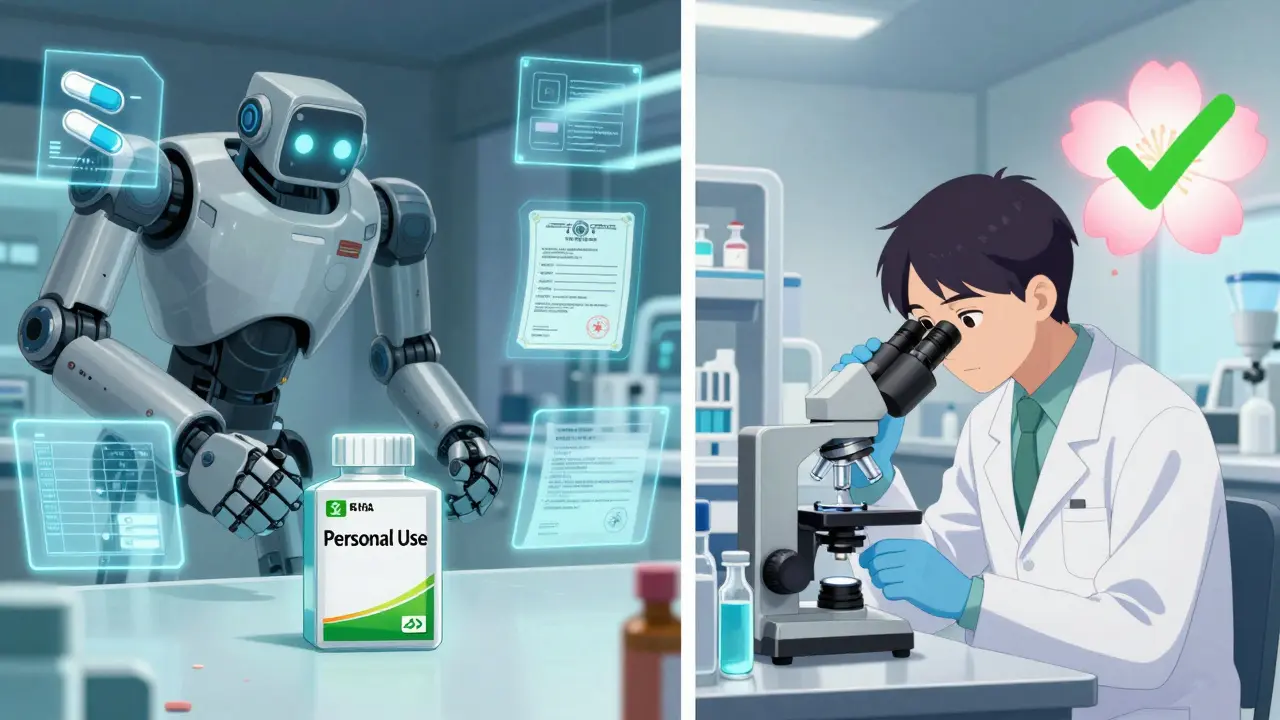
The end of the 0 loophole
Until October 2023, low-value shipments under $800 could slip through without FDA review. That loophole was exploited to smuggle fake pills, pill presses, and unapproved injectables into the U.S. via packages labeled as "personal use" or "gifts."
That’s all changed. As of October 17, 2023, every single FDA-regulated product entering the U.S. must be reviewed-no matter the value. This single change added an estimated 350,000 new entries to the FDA’s workload annually.
The impact was immediate. Online sellers of unapproved weight-loss pills and erectile dysfunction drugs saw their shipments blocked. Research labs that imported small quantities of biological samples reported delays of 3-5 days and costs rising by $285-$420 per shipment.
While this move improved safety, it also created new headaches for academic researchers, small biotech startups, and clinics that rely on overseas suppliers. The FDA acknowledges the burden but says public health comes first.
Why some drugs still slip through
Despite all the systems in place, the FDA only physically inspects about 1.2% of the 100+ million drug shipments entering the U.S. each year. That means 98.8% are cleared based on paperwork and risk scores.
This gap led to the 2022 valsartan contamination crisis. A carcinogenic impurity slipped into blood pressure medication because the manufacturer wasn’t flagged as high-risk. The FDA didn’t sample the shipment-it trusted the documentation.
Another problem: counterfeit drugs. The Partnership for Safe Medicines estimated $4.3 billion in fake medications entered the U.S. in 2022. Most came through the old $800 loophole. Now, with that gone, counterfeiters are shifting to more sophisticated methods-forged certificates, fake registration numbers, and hidden shipments disguised as medical devices.
The Government Accountability Office (GAO) pointed out in June 2023 that the FDA has only implemented 4 out of 17 key performance indicators required by law. Without better tracking, it’s hard to prove the system is working.
What importers need to get it right
If you’re shipping drugs into the U.S., here’s what you must do:
- Register your facility with the FDA (even if you’re overseas)
- List every product you export to the U.S.
- Use the correct product codes and FDA identifiers
- Ensure labels meet 21 CFR Part 201 requirements
- Submit prior notice at least 15 days before arrival
- Keep all records for 3 years
Errors in any of these areas can trigger an Import Alert. Once on an Import Alert, every future shipment from that facility is automatically detained-no exceptions. Getting off the list can take months.
Many companies hire customs brokers with FDA experience. But even then, 58% of brokers say client complaints about unpredictable delays have increased since the $800 loophole closed.
The best advice? Build relationships. Experienced importers who contact FDA reviewers directly at specific ports report 22-35% faster processing times. It’s not about bribes-it’s about clarity, consistency, and communication.
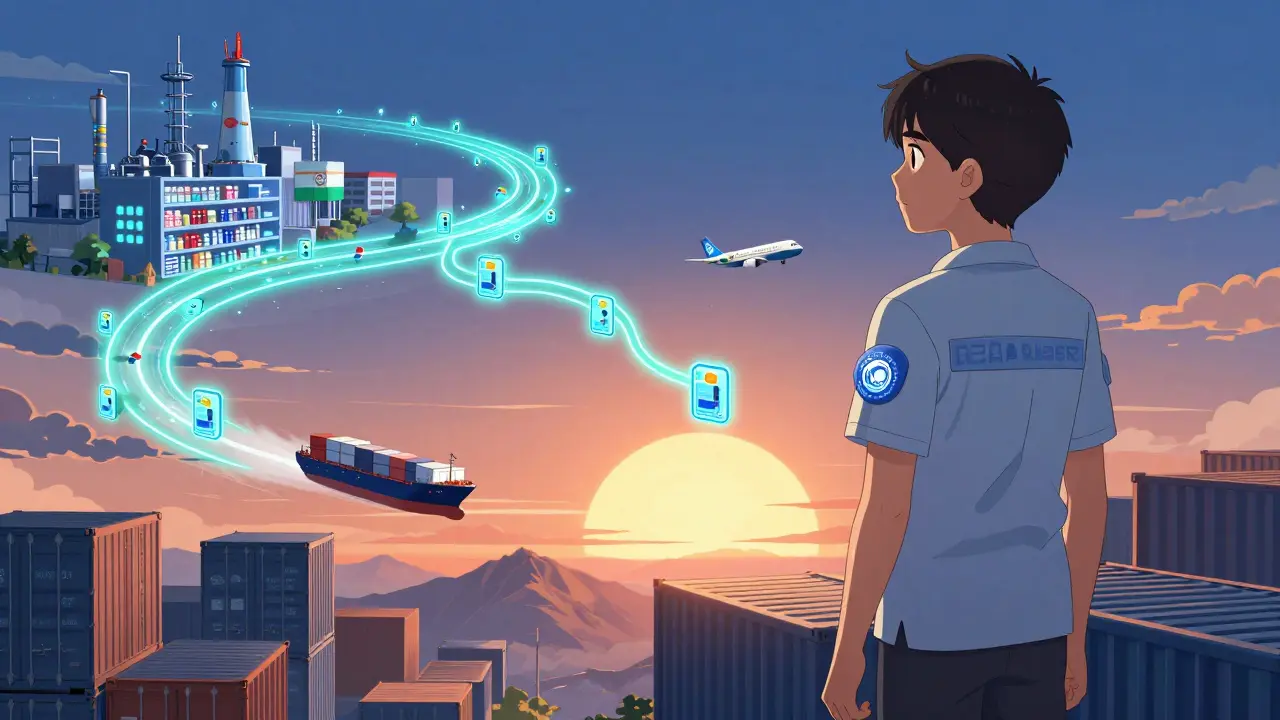
The future: AI, blockchain, and global alignment
The FDA isn’t standing still. Its 2023-2028 roadmap includes:
- AI tools to improve risk scoring accuracy by 25% by 2025
- A blockchain pilot to track drug shipments from factory to pharmacy (launching Q1 2024)
- Expanding the SSCPP to 50 companies by mid-2024, including contract manufacturers
- Harmonizing standards with the Pharmaceutical Inspection Co-operation Scheme (PIC/S), which includes 50+ countries
These changes aim to reduce clearance times for legitimate shipments while catching more bad actors. But they’ll cost $187 million over five years-and not everyone agrees it’s worth it.
Some experts, like former FDA Commissioner Dr. Scott Gottlieb, say the SSCPP is a model for smarter regulation. Others, like the National Association of Chain Drug Stores, argue the system still doesn’t do enough to monitor generic drug supply chains-especially for APIs from Asia.
For now, the system works-but only if you play by the rules. And if you don’t? The FDA will find you. Even if your drug is shipped in a tiny package under $800.
Frequently Asked Questions
How long does it take for a drug shipment to clear FDA inspection?
For standard shipments, clearance can take 7-10 business days if there are issues. For shipments flagged for inspection, delays can stretch to weeks. Companies in the Secure Supply Chain Pilot Program (SSCPP) get clearance in 24-48 hours. The average time for non-flagged entries is now under 48 hours thanks to electronic submissions.
Can I import drugs for personal use without FDA approval?
No. Since October 2023, all FDA-regulated products-even those under $800 or labeled as "personal use"-must go through the same inspection process. The old exemption is gone. This includes medications bought online from overseas pharmacies. The FDA will detain them, and in many cases, destroy them.
What happens if my drug shipment is detained?
You’ll receive a notice from the FDA explaining why. You have 30 days to respond: fix the issue (like relabeling), provide proof of compliance, or request a hearing. If you don’t respond, the shipment is refused and may be destroyed. Repeated detentions can lead to an Import Alert, which blocks all future shipments from your facility.
Are generic drugs inspected differently than brand-name drugs?
The inspection process is the same, but generic drugs face higher detention rates. In 2023, 37% of generic APIs from certain Indian facilities were detained-far above the average. This isn’t because they’re less safe, but because many manufacturers lack the resources to maintain perfect documentation or pass the strict audits required to avoid being flagged.
How can I check if my drug manufacturer is FDA-registered?
Go to the FDA’s Drug Registration and Listing System (DRLS) database. Enter the manufacturer’s name or facility number. If it’s not listed, the product isn’t legally allowed to enter the U.S. Even if it’s sold online, it’s not approved. Never assume a product is safe just because it’s available for sale.
What comes next for drug import safety
The U.S. will keep importing most of its drugs. That’s not changing. But the way the FDA watches over them is evolving. The goal isn’t to block trade-it’s to make sure every pill that reaches a patient is what it claims to be.
For manufacturers, the message is clear: compliance isn’t optional. For consumers, it’s a reminder that safety isn’t automatic-it’s enforced, one shipment at a time.


So let me get this straight - we’re letting foreign labs make half our meds and then acting shocked when something goes wrong? 🤦♂️