
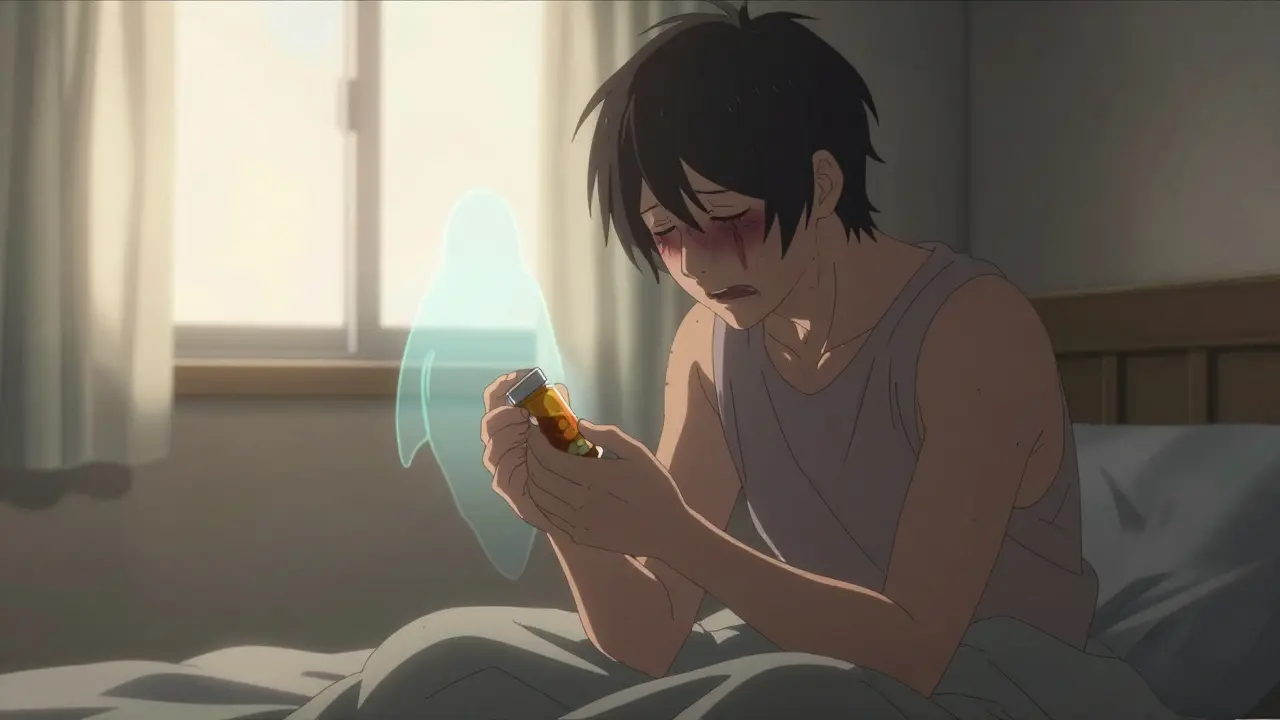
Stopping steroids suddenly can be dangerous-even life-threatening. If you’ve been on prednisone or another glucocorticoid for more than three weeks, your body has likely stopped making its own cortisol. That’s normal. But when you cut the medication too fast, your adrenal glands can’t catch up. The result? Fatigue so deep it feels like you’re dragging through concrete, joint pain that comes out of nowhere, dizziness, nausea, and worst of all, your autoimmune disease flares back harder than before.
Why Steroid Tapering Isn’t Optional
Steroids like prednisone work by mimicking cortisol, the hormone your body naturally produces to control inflammation and stress. When you take them for weeks or months, your brain tells your adrenal glands: "We don’t need you anymore." Over time, those glands shrink and slow down. If you stop steroids cold, your body has no cortisol left. That’s adrenal insufficiency. And it doesn’t just make you feel awful-it can cause low blood pressure, confusion, vomiting, and even shock.It’s not just about feeling tired. For people with rheumatoid arthritis, lupus, or inflammatory bowel disease, stopping steroids too quickly often triggers a disease rebound. Studies show that up to 40% of patients who rush their taper end up back in the hospital with a flare that requires higher doses than they started with. That’s why tapering isn’t just a suggestion-it’s a medical necessity.
How Fast Should You Taper?
There’s no one-size-fits-all schedule. But there are proven steps based on how long you’ve been on steroids and how high your dose was.For people on high doses-over 20-40 mg of prednisone per day-the first phase is a rapid taper. Drop by 5-10 mg every week until you hit 20 mg/day. This phase is usually safe because your body still has enough steroid left to keep your adrenal glands from panicking.
Once you’re at 20 mg/day, things get slower. Reduce by 5 mg every two weeks. At this point, you’re entering the danger zone for withdrawal. Symptoms like muscle aches, joint pain, and mood swings can pop up. Don’t panic if they do. That’s normal. But if they’re severe, pause the taper for a week or two. Your body needs time to restart cortisol production.
When you hit 10 mg/day, slow down even more. Drop by 2.5 mg every two weeks. At 5 mg, reduce by 1 mg every two to four weeks. Some people can go straight from 5 mg to 2.5 mg, then stop. Others need to stay at 2.5 mg for a full month before quitting.
Here’s a simple rule: if you’ve been on steroids for less than three weeks, you might only need a 7-10 day taper. If you’ve been on them for six months or longer, plan for three to six months of gradual reduction. Rushing this part is the most common mistake.
What Symptoms Mean You’re Tapering Too Fast
Withdrawal doesn’t always look like sickness. Sometimes it’s just… off. Here’s what to watch for:- Fatigue-not just tired, but exhausted even after sleeping
- Joint and muscle pain-especially in the hips, knees, and shoulders
- Low appetite or nausea
- Sleep problems-trouble falling asleep or waking up too early
- Anxiety or mood swings-feeling irritable, tearful, or panicked for no reason
- Dizziness or lightheadedness, especially when standing up
These aren’t signs you’re getting better. They’re signs your body is begging for more steroid. If you notice any of these, don’t push through. Hold your current dose for another week or two. Then try reducing again-maybe by half the amount you tried last time.
One patient in Melbourne, on a 14-week taper from 40 mg to 0 mg for polymyalgia rheumatica, said it worked because she cut by 10% every two weeks. She didn’t follow a fixed milligram drop. She followed how she felt. That’s the real key.
Hydrocortisone vs. Prednisone: Should You Switch?
Some doctors suggest switching from prednisone to hydrocortisone near the end of tapering. The idea is that hydrocortisone is closer to natural cortisol and has a shorter half-life, so your body might restart its own production faster.But here’s the catch: there’s almost no strong evidence that this actually helps. A 2021 study found most people can taper successfully off prednisone without switching. The Australian Prescriber says the same thing. And switching adds complexity-you have to learn a whole new dosing schedule, and hydrocortisone is often harder to get.
Stick with prednisone unless your specialist has a specific reason to switch. For 9 out of 10 people, it’s unnecessary.
What You Can Do to Make Tapering Easier
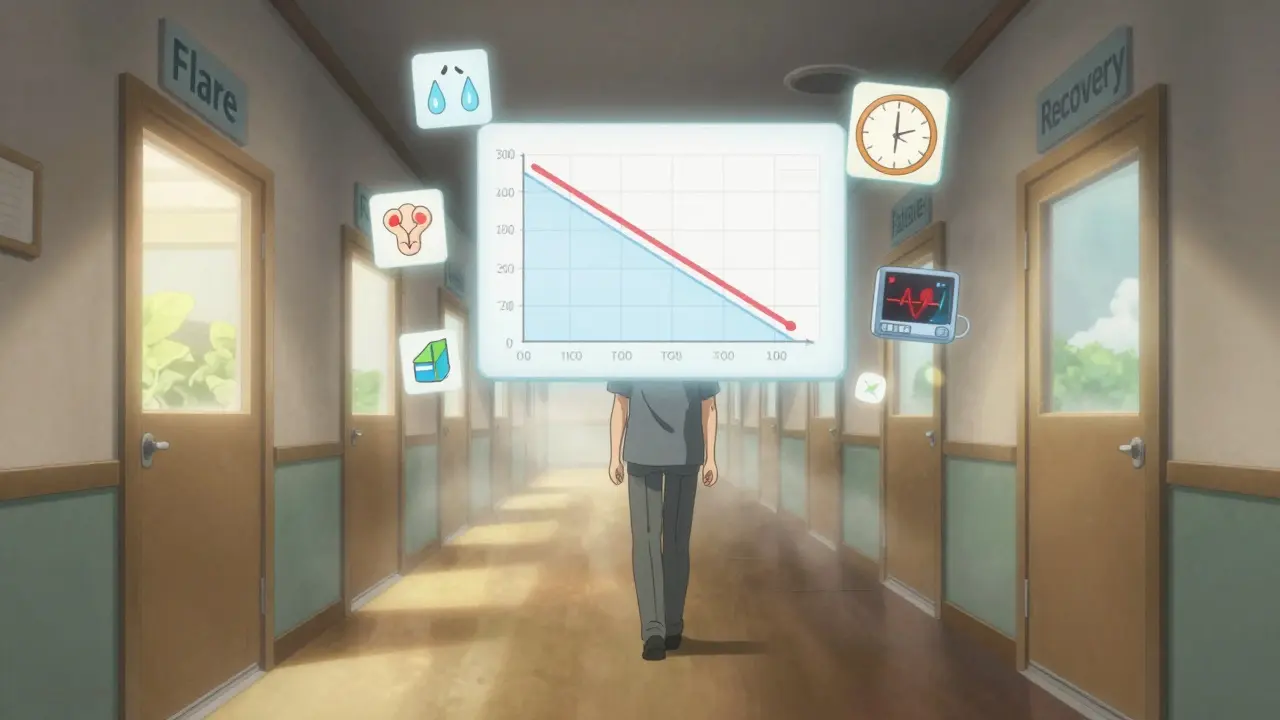
Tapering isn’t just about pills. Your daily habits make a huge difference.- Movement matters-10-15 minute walks twice a day reduce joint stiffness by over 50%. Sitting still makes pain worse.
- Warm water helps-swimming or soaking in a warm bath eases muscle and joint pain better than painkillers for many people.
- Manage stress-daily 10-minute meditation lowers withdrawal symptoms by 43%. Deep breathing, yoga, or even listening to calming music works.
- Sleep is non-negotiable-aim for 7-8 hours. Lack of sleep increases inflammation and makes withdrawal feel worse.
One patient on Reddit described her "taper tantrums"-sharp pain when dropping from 7.5 mg to 5 mg. She held at 7.5 mg for two full weeks, then tried again. No pain. She finished her taper without a flare. That’s not luck. That’s listening to your body.
Sick Days and Emergency Rules
Even after you’re off steroids, your adrenal glands might still be asleep. If you get sick-flu, infection, surgery, even a bad accident-you need to temporarily boost your steroid dose again.This is called "sick day rules." If you’ve been on steroids for more than three weeks in the past year, you’re at risk for adrenal crisis during illness. That means:
- Double your last steroid dose if you have a fever, vomiting, or severe infection
- Call your doctor immediately if you can’t keep pills down
- Go to the ER if you feel dizzy, confused, or have chest pain
Studies show 18% of emergency visits from recently tapered patients happen because they didn’t adjust their dose during illness. Don’t be one of them.
Carry a Steroid Alert Card
No matter how long ago you stopped, keep a steroid alert card in your wallet or phone. It should say:- Your name
- That you’ve taken systemic steroids
- The last dose and date
- Your doctor’s contact info
Why? Because if you end up in an emergency room unconscious, the staff won’t know your history. They might give you a drug that lowers your blood pressure further-or worse, assume you don’t need steroids. That’s how adrenal crisis happens.
Recovery of your adrenal glands can take up to 18 months. So even if you feel fine, carry that card for at least a year after stopping.
What’s New in Steroid Tapering
The old way was: "Cut 5 mg every two weeks, no exceptions." Now, doctors are moving toward disease activity-guided tapering. That means your dose doesn’t drop on a fixed schedule-it drops when your disease is stable.For example, if you have rheumatoid arthritis, your doctor might check your DAS28 score (a measure of joint swelling and pain). If it’s low for three months, they might reduce your dose. If it climbs, they pause. This approach is backed by the European League Against Rheumatism (EULAR) and is becoming standard in specialist clinics.
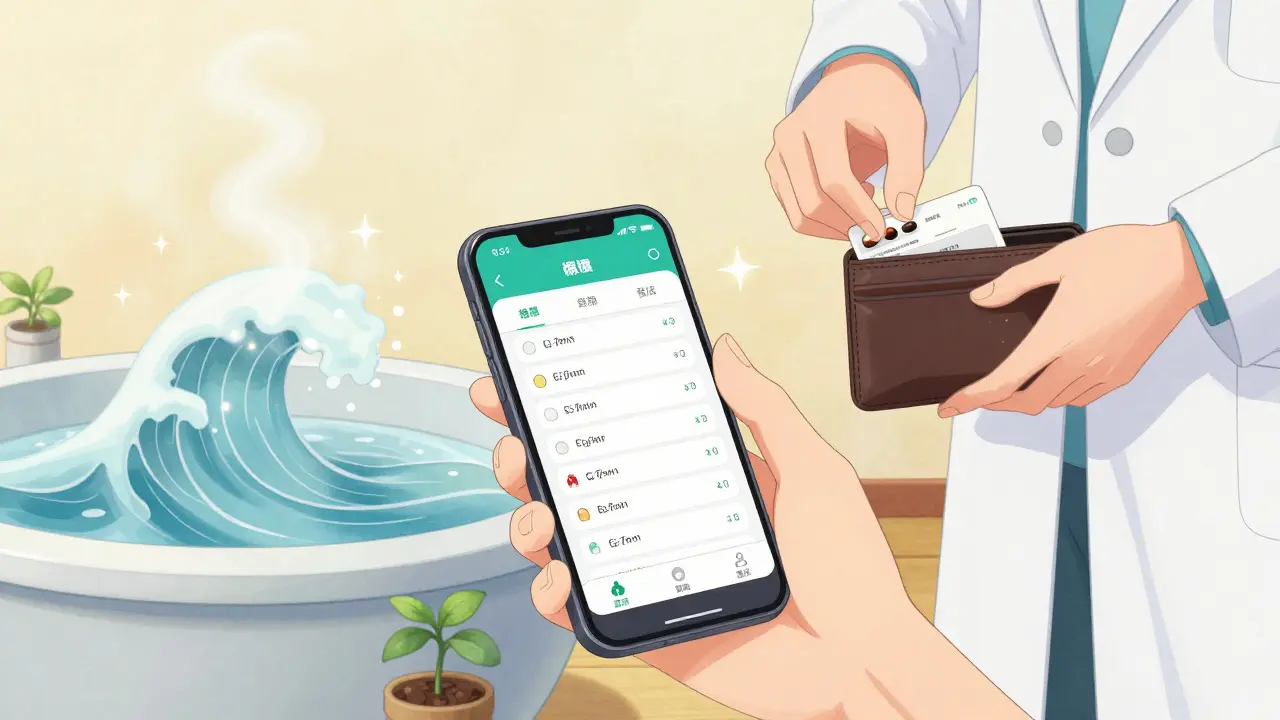
There’s also new tech. Apps like the Prednisone Taper Assistant (launched in 2023) let you log symptoms daily. The app adjusts your taper schedule based on how you’re feeling. In pilot studies, users stuck to their plan 82% better than those using paper schedules.
But the biggest change? Doctors are finally admitting that tapering isn’t a science-it’s an art. It’s not just about numbers. It’s about listening, adapting, and giving your body time.
When to Call Your Doctor
You don’t have to suffer through this alone. Call your doctor if:- Your symptoms get worse after a dose reduction
- You can’t keep food or water down
- You feel faint or your heart races without reason
- You have a fever over 38°C (100.4°F) and haven’t adjusted your dose
- You’re unsure whether to hold or reduce your next dose
There’s no shame in asking for help. Tapering is hard. And it’s not your fault if it’s tough. Your body’s been through a lot.
How long does steroid withdrawal last?
Withdrawal symptoms usually peak within the first 2-4 weeks after reducing your dose and can last up to 4-8 weeks. For people who were on long-term steroids (6+ months), symptoms like fatigue or joint pain may linger for months as the adrenal glands slowly wake up. But they don’t last forever. With a slow taper and good self-care, most people feel normal within 3-6 months.
Can you stop steroids cold turkey after a short course?
If you took steroids for less than two weeks, you can usually stop without tapering. But if you were on them for three weeks or longer-even at low doses-your body has likely suppressed cortisol production. Stopping suddenly risks adrenal insufficiency. Always check with your doctor before quitting, no matter how short the course.
Do blood tests help guide steroid tapering?
Routine blood tests for cortisol during tapering aren’t recommended for most people. Morning cortisol levels can be misleading because they fluctuate. Testing is only useful if you have severe symptoms, or if you’re being tapered under specialist care. For most patients, symptoms and disease activity are better guides than blood numbers.
Is it safe to taper while pregnant?
Yes, but it requires close supervision. Steroids like prednisone are generally safe during pregnancy when used at the lowest effective dose. Tapering should be slower than usual, and your OB-GYN should work with your rheumatologist or specialist. Stopping abruptly can harm both you and the baby by triggering a disease flare. Never adjust your dose without medical guidance.
What if my disease flares during tapering?
If your autoimmune symptoms return or worsen, hold your current dose and contact your doctor. Don’t try to push through. A flare means your body needs more anti-inflammatory support. Your doctor may pause the taper, increase your dose slightly, or add a non-steroid medication like methotrexate or a biologic. Flares during tapering are common-but they’re manageable if caught early.
Can I use herbal supplements to help with steroid withdrawal?
No. There’s no herbal supplement proven to help with adrenal recovery or steroid withdrawal. Some-like licorice root-can interfere with cortisol metabolism and cause dangerous side effects. Others, like ashwagandha, may seem helpful for stress, but they’re not regulated and can interact with other medications. Stick to proven methods: slow tapering, movement, sleep, and medical supervision.
Final Thoughts: Patience Is Your Best Medicine
Steroid tapering isn’t a race. It’s a slow return to balance. Your body didn’t stop making cortisol overnight, and it won’t start again overnight either. The goal isn’t to get off steroids as fast as possible. It’s to get off them safely-without pain, without hospital visits, without your disease coming back stronger.Use your doctor as a guide, not a dictator. Track your symptoms. Move gently. Rest when you need to. And remember: every small reduction is progress. You’re not failing if it takes time. You’re healing.


This hit home for me. I tapered off prednisone after 8 months for my RA and thought I was fine until I tried to walk up stairs without feeling like I’d run a marathon. Took me 4 months to feel normal again, but I’m glad I didn’t rush it. Your body remembers.