
Cancer Pain Relief: What Works, What Doesn’t, and How to Stay in Control
When you’re living with cancer pain relief, the strategies used to reduce discomfort caused by cancer or its treatment. Also known as cancer pain management, it’s not just about popping pills—it’s about matching the right approach to the type of pain you’re feeling. Cancer pain isn’t the same for everyone. Some feel a deep, constant ache from tumors pressing on nerves or bones. Others get sharp, shooting pain from nerve damage caused by chemo or surgery. Then there’s the burning, tingling kind—neuropathic pain—that doesn’t always respond to regular painkillers. Knowing the difference matters because treating one type with the wrong tool can leave you still hurting.
Opioid medications, strong pain relievers like morphine, oxycodone, and fentanyl used for moderate to severe cancer pain. Also known as narcotics, they’re often the go-to for tumor-related pain—but they’re not magic bullets. Many people worry about addiction, but for cancer patients, the goal isn’t abstinence, it’s comfort. The real issue is getting the dose right and watching for side effects like constipation, drowsiness, or confusion. And if your pain is nerve-related, opioids alone won’t cut it. That’s where neuropathic pain, pain caused by damaged or overactive nerves, often described as burning, electric, or tingling. Also known as nerve pain, it requires different tools: antidepressants like amitriptyline, antiseizure drugs like gabapentin, or topical lidocaine patches. These aren’t add-ons—they’re essential parts of the plan when nerves are involved. Meanwhile, palliative care, a specialized medical focus on improving quality of life for people with serious illness, including pain and symptom control. Also known as supportive care, it’s not about giving up—it’s about taking control. Palliative teams don’t wait until the end. They step in early, work alongside your oncologist, and help you navigate meds, side effects, and emotional stress—all while keeping you as comfortable as possible. Too many people think palliative care means hospice. It doesn’t. It means better pain control, fewer hospital visits, and more days where you feel like yourself.
What you won’t find in these posts are vague promises or miracle cures. You’ll find real talk about what actually helps: why some people need patches instead of pills, how to tell if your pain is getting worse or just changing, why skipping doses makes pain harder to control later, and how to speak up when your current meds aren’t working. You’ll learn what to ask your doctor before accepting a new prescription, how to track your pain so you’re not just guessing, and why sometimes the best solution isn’t a drug at all—it’s a change in posture, a warm compress, or even a breathing technique. The goal isn’t to eliminate all pain—that’s not always possible. It’s to make sure pain doesn’t steal your life before cancer does.
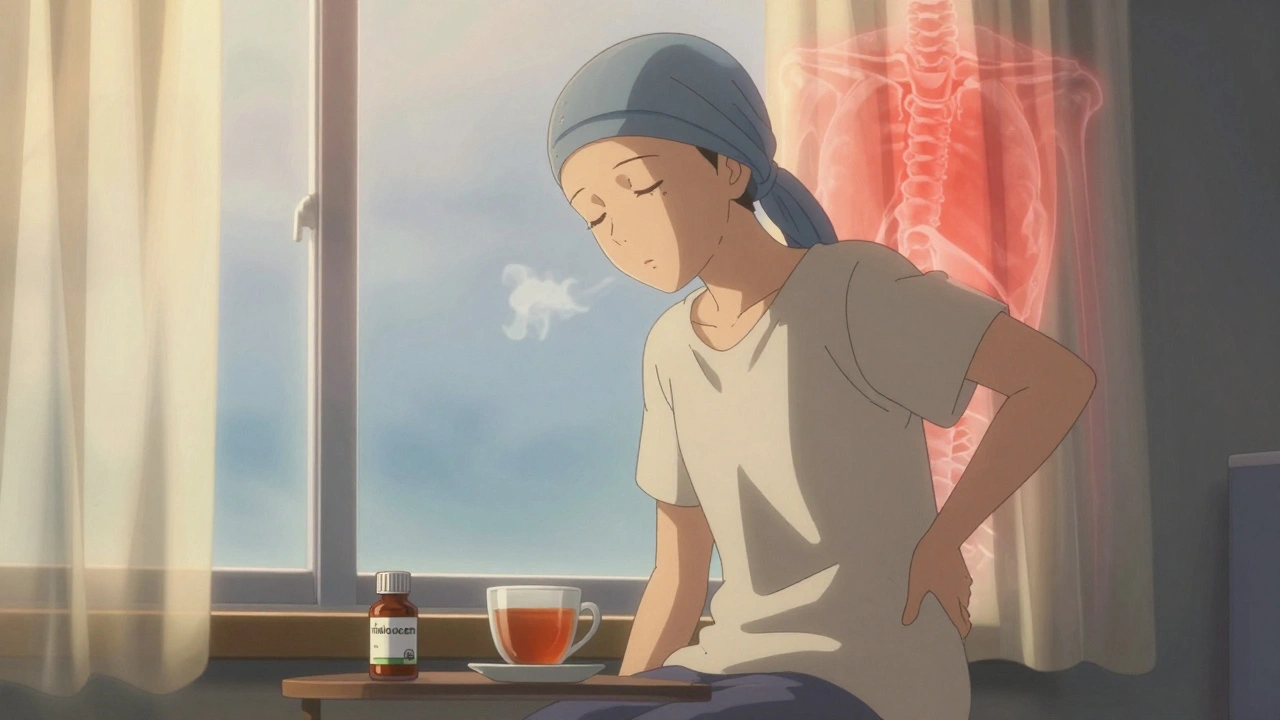
Meloxicam for Cancer Pain: What You Need to Know
Meloxicam may help with certain types of cancer pain, especially bone or inflammation-related discomfort, but it’s not a cure and carries serious risks. Learn who it helps, who should avoid it, and what alternatives work better.
More Detail