
Chronic Kidney Disease: Causes, Risks, and What You Can Do
When your chronic kidney disease, a long-term condition where kidneys lose their ability to filter waste and fluid from the blood. Also known as chronic renal disease, it doesn’t always cause symptoms until it’s advanced — which is why so many people don’t know they have it until it’s serious. Your kidneys do more than just make urine. They balance your electrolytes, control blood pressure, and help make red blood cells. When they start failing, your whole body feels it — fatigue, swelling, trouble sleeping, nausea. And the worst part? It often creeps up slowly, masked by other conditions like high blood pressure or diabetes.
One of the biggest hidden dangers to your kidneys is NSAIDs, common painkillers like ibuprofen and naproxen that reduce inflammation but can damage kidney tissue over time. If you take them regularly for back pain, arthritis, or headaches, you might be slowly harming your kidneys without realizing it. That’s why doctors warn against long-term NSAID use, especially if you already have high blood pressure, diabetes, or are over 60. kidney damage, a decline in kidney function that can become permanent if not caught early. It’s not just about the pills — it’s about what’s underneath. Diabetes and high blood pressure are the top two causes of chronic kidney disease, and they often go hand in hand. If you’re managing one, you need to watch the other like a hawk.
What happens if your kidneys keep declining? You might need dialysis, a medical procedure that filters your blood when your kidneys can’t. It’s life-saving, but it’s also a major lifestyle shift. Many people don’t realize that slowing down kidney disease isn’t about miracle drugs — it’s about daily habits: watching salt, staying hydrated, avoiding unnecessary painkillers, and getting regular blood tests. Even small changes — like cutting back on processed foods or checking your blood pressure monthly — can make a difference.
What you’ll find below are real, practical guides written for people living with or at risk for chronic kidney disease. You’ll see how common medications like NSAIDs affect your kidneys, what alternatives exist, how to spot early warning signs, and what steps actually work to protect your kidney function over time. No fluff. No theory. Just what you need to know to take control before it’s too late.
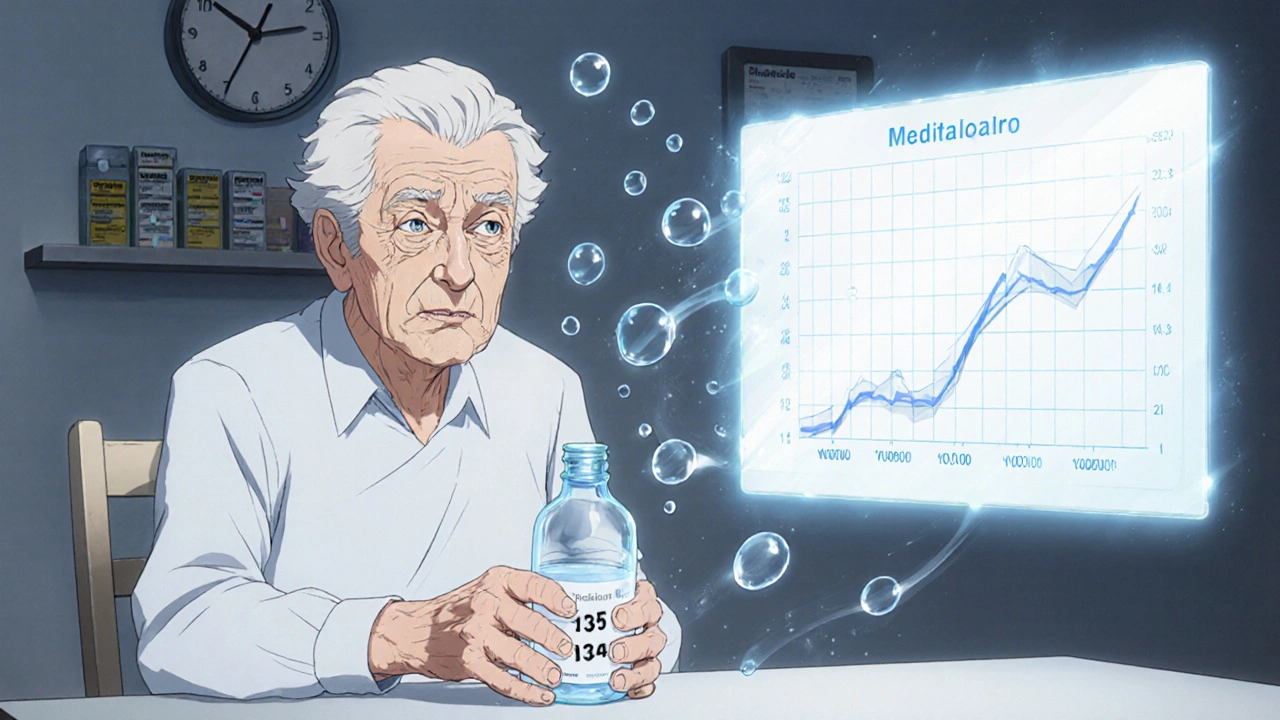
Hyponatremia and Hypernatremia in Kidney Disease: What You Need to Know
Hyponatremia and hypernatremia are common and dangerous in kidney disease. Learn how sodium imbalances happen, why they're risky, and what you can do to stay safe with chronic kidney disease.
More Detail