
Endolymphatic Hydrops: Causes, Symptoms, and What You Can Do
When your inner ear holds too much fluid, it can trigger dizziness, ringing in the ears, and sudden hearing loss—that’s endolymphatic hydrops, an abnormal buildup of fluid in the inner ear that disrupts balance and hearing signals. Also known as Meniere's disease, it’s not just occasional dizziness; it’s a chronic condition that can change how you move, hear, and even live day to day. This isn’t something you can ignore. The fluid pressure builds slowly, often without warning, and when it bursts or shifts, it sends your balance system into chaos.
Endolymphatic hydrops doesn’t happen alone. It’s closely tied to inner ear fluid, the precise liquid environment that helps your brain interpret movement and sound. When that fluid becomes too thick, too much, or doesn’t drain properly, your inner ear can’t function. That’s when you feel like the room is spinning, your ears are full, or sounds suddenly muffle. It’s also linked to vertigo, a sudden, intense spinning sensation that can last minutes to hours and leave you nauseous and exhausted, and hearing loss, often fluctuating at first, then becoming permanent if untreated. These aren’t random symptoms—they’re the direct result of pressure changes in a tiny, delicate part of your body most people never think about.
People with endolymphatic hydrops often report triggers: stress, salt, caffeine, or even changes in weather. Some find relief with low-sodium diets, diuretics, or vestibular therapy. Others need injections or surgery if symptoms get severe. The good news? Many learn to manage it. You’re not alone—thousands track their episodes, adjust their routines, and find ways to stay active despite the unpredictable flares. Below, you’ll find real-world guides on what medications help (and which ones don’t), how to spot early warning signs before a vertigo attack hits, and what to ask your doctor when standard treatments fail. These posts aren’t theory—they’re what patients and clinicians actually use to navigate this condition every day.
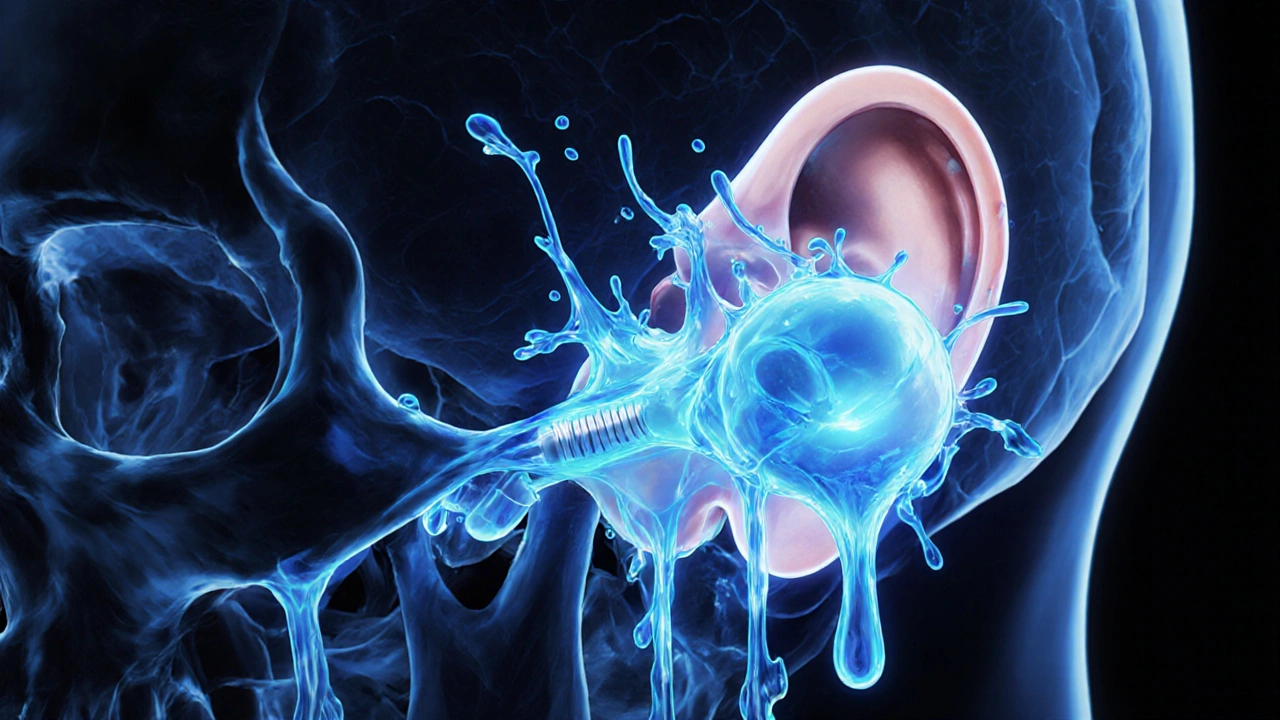
Meniere’s Disease: Managing Inner Ear Fluid and Reducing Symptoms
Meniere’s disease causes vertigo, hearing loss, and tinnitus due to inner ear fluid buildup. Learn how diet, medications, and new immune-targeted therapies can manage symptoms and protect hearing.
More Detail