
FDA Generic Drug Labeling: What You Need to Know About Safe Medication Use
When you pick up a FDA generic drug labeling, the official information required by the U.S. Food and Drug Administration that tells you how to safely use a generic medication. Also known as drug prescribing information, it’s the same for both brand-name and generic versions — because by law, they must be identical in active ingredients, strength, dosage form, and how they work in your body. This isn’t just paperwork. It’s your safety net.
Generic drugs make up over 90% of prescriptions filled in the U.S., and for good reason: they cost less but deliver the same results. But if you don’t read the label, you might miss critical details — like interactions with other meds, side effects you should watch for, or when to avoid taking it altogether. The FDA approved generics, medications that have passed rigorous testing to prove they work just like the brand-name version all follow the same strict labeling rules. That means whether you’re taking generic metformin, fluoxetine, or omeprazole, the warnings, dosing instructions, and storage info are standardized. You’re not getting a cheaper version of the truth — you’re getting the exact same truth, just without the brand name.
What’s actually on that label? It’s broken down into clear sections: active ingredient (the medicine that does the work), inactive ingredients (fillers that don’t affect your condition but can trigger allergies), uses, warnings, dosage instructions, and possible side effects. Some labels even include a patient package insert — a plain-language guide that tells you what to expect and when to call your doctor. The drug labeling requirements, the legal standards set by the FDA that all prescription and over-the-counter drugs must meet to be sold in the U.S. are designed to be clear, consistent, and easy to understand — even if you’re not a medical professional.
And here’s something most people don’t realize: if a generic drug’s label says it’s for treating high blood pressure, it’s not just similar to the brand — it’s proven to lower your blood pressure in the same way, in the same amount of time. The FDA doesn’t approve generics based on cost or convenience. They approve them based on hard data — bioequivalence studies, manufacturing inspections, and real-world performance. That’s why you can trust a generic. But trust doesn’t mean ignoring the label. Skipping the instructions because it’s "just a generic" is how mistakes happen.
That’s why the posts below cover exactly what matters: how to read those labels, what to do when side effects show up, how to track recalls by lot number, how to compare different versions of the same drug, and how to use your medication list to stay safe. Whether you’re managing Parkinson’s with rasagiline, controlling diabetes with metformin, or treating hives with antihistamines, the label is your first line of defense. These aren’t abstract guides — they’re practical tools built from real patient experiences and clinical data. You’ll find comparisons, safety tips, and real-world advice on how to get the most out of your meds — without guessing.
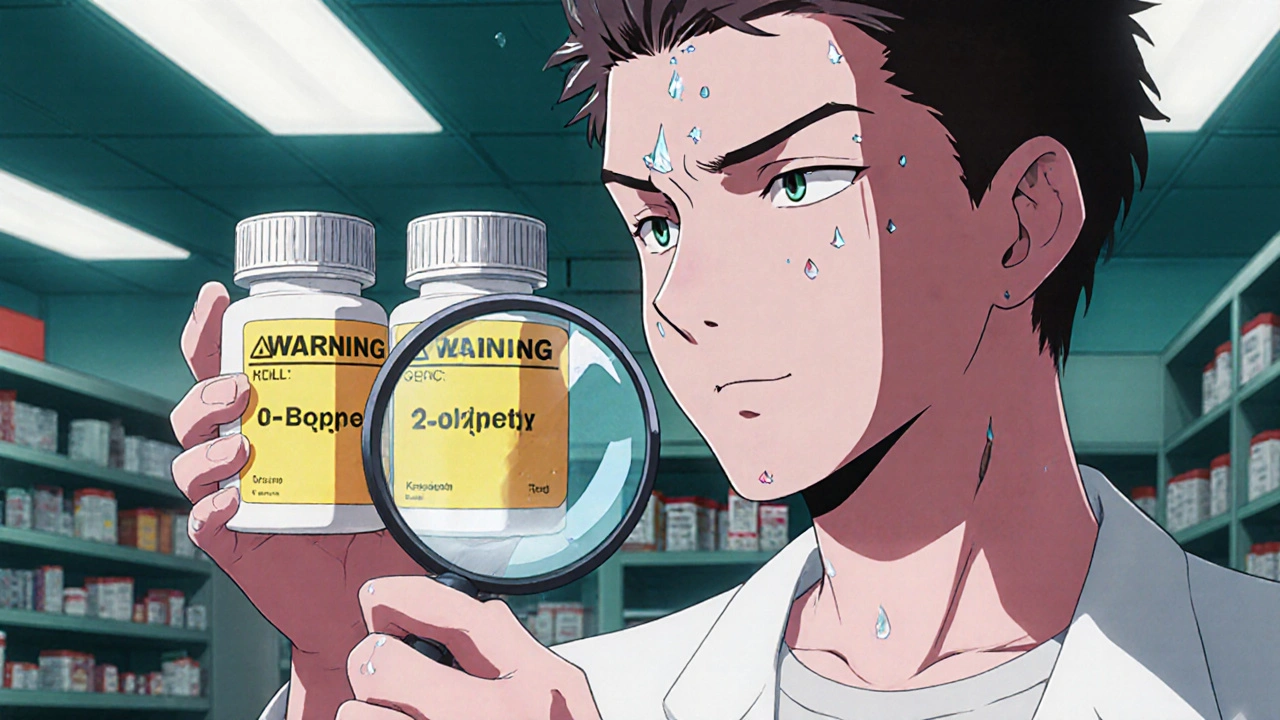
Generic Drug Labeling Requirements: What the FDA Mandates
The FDA requires generic drug labels to match brand-name labels exactly, with only minor exceptions. This ensures safety and consistency-but delays in updates can leave patients at risk. Here’s what the rules really mean.
More Detail