
Metallic Taste: What’s Causing It and Which Medications Could Be to Blame
When you bite into food and it tastes like licking a coin, you’re not imagining it. This strange, persistent metallic taste, a type of dysgeusia where flavors turn sharp, sour, or like metal. Also known as dysgeusia, it’s more than a quirk—it’s a common side effect of many medications and a signal your body is reacting to something. It doesn’t always mean something serious, but it often points to something you can’t ignore—especially if it shows up after starting a new drug.
Many medications, prescription and over-the-counter drugs that alter chemical pathways in the body can trigger this sensation. Antibiotics like metronidazole, blood pressure pills such as ACE inhibitors, and even antidepressants like SSRIs are frequent culprits. Zinc deficiency, a lack of this essential mineral that plays a key role in taste and smell function is another major cause, especially in older adults or people with chronic kidney disease. Even drug interactions, when two or more medications change how each other works in your system can lead to this odd flavor. For example, if you’re on warfarin and start an antibiotic, or switch from a brand to generic thyroid med, your taste buds might be the first to notice.
It’s not just about what you’re taking—it’s about how your body handles it. Some people get a metallic taste because their saliva changes composition. Others have nerve signals misfiring from the tongue to the brain. In rare cases, it’s tied to conditions like acid reflux, sinus infections, or even early signs of neurological issues. But most often, it’s a simple side effect of something you’re already taking. The good news? It usually goes away once you stop the drug or adjust the dose. The bad news? Many people just live with it, thinking it’s normal.
What you’ll find in the posts below isn’t just a list of symptoms. It’s a practical guide to connecting the dots between what you’re swallowing and what you’re tasting. From how metallic taste links to NSAID use and kidney health, to why switching generics can change your flavor perception, these articles give you the real-world clues you need. You’ll see how drug interactions, dosing changes, and even supplements like zinc can turn your morning coffee into a metal tin. No fluff. No guesswork. Just clear, direct answers to help you figure out what’s really going on—and what to do next.
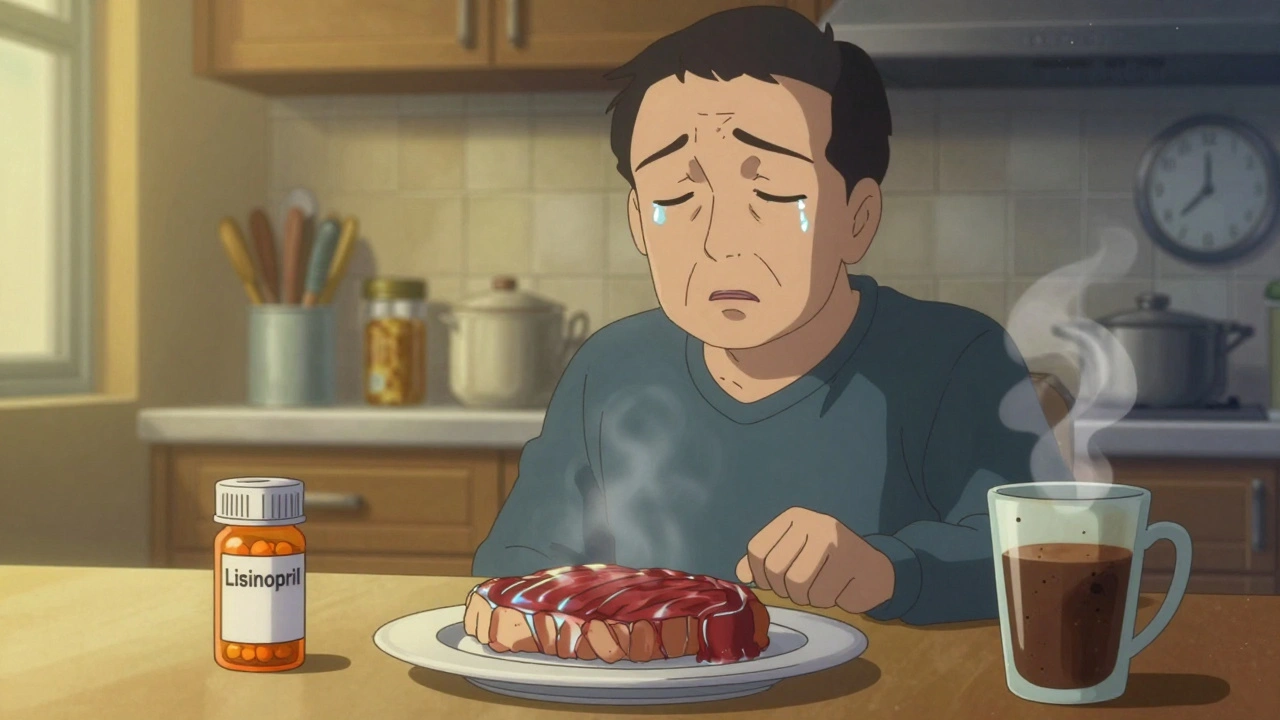
Taste Changes and Metallic Taste from Medications: Proven Coping Strategies
Metallic taste from medications is a common but often ignored side effect. Learn why it happens, which drugs cause it, and proven ways to cope - from zinc supplements to dietary tweaks - without stopping your treatment.
More Detail