
Patient Drug Choices: Make Smarter Decisions About Your Medications
When it comes to your health, patient drug choices, the decisions you make about which medications to take, when to switch, and how to manage side effects. Also known as medication decisions, it’s not just about what your doctor prescribes—it’s about what you understand, can afford, and will actually stick with. Too many people fill prescriptions but never ask the real questions: Is this the cheapest option? Will it mess with my other meds? Why does it taste like metal? These aren’t small details—they’re the difference between feeling better and ending up in the ER.
One of the biggest factors in patient drug choices, how people select and stick with their medications. Also known as medication adherence, it’s often broken not because people are careless, but because side effects, cost, or confusion get in the way. Take generic drugs, medications that work exactly like brand-name versions but cost up to 85% less. Also known as generic medication, they’re approved by the FDA to be identical in strength, safety, and effectiveness. Yet most people still overpay. Why? Because pharmacies don’t always tell you the truth about pricing. Some charge 10 times the real cost. Others switch you to a brand without asking. You need to know how to spot an authorized generic, how to ask for the lowest cash price, and when a switch might actually hurt you—like with thyroid meds or blood thinners.
Then there’s drug interactions, when two or more medications (or even food) react in dangerous ways inside your body. Also known as medication interactions, they’re silent killers. Grapefruit with immunosuppressants? One glass can wreck your kidneys for days. L-tryptophan with antidepressants? That’s a one-way ticket to serotonin syndrome. Warfarin and antibiotics? Your INR can spike overnight. These aren’t rare cases. They happen every day because patients aren’t warned. You can’t rely on your pharmacist to catch every risk—you need to know the red flags: sudden dizziness, unexplained bruising, strange taste, or swelling. If something feels off, it probably is.
And let’s not forget drug safety, how you store, handle, and dispose of your meds to avoid accidents, misuse, or counterfeit pills. Also known as medication safety, it’s something no one talks about until it’s too late. A child finds a pill bottle. A teen takes a friend’s painkiller. You keep expired antibiotics in your bathroom cabinet. These aren’t hypotheticals. They’re daily risks. The right storage isn’t about being neat—it’s about keeping your family alive. Temperature, child-resistant caps, and proper disposal aren’t suggestions—they’re lifesavers.
What you’ll find below isn’t theory. It’s real stories, real data, and real fixes from people who’ve been there. From why your antidepressant takes weeks to work to how to stop paying 10x for a generic pill, every post is built to help you take back control. No jargon. No fluff. Just what you need to make smarter, safer, and more affordable choices with your medications.
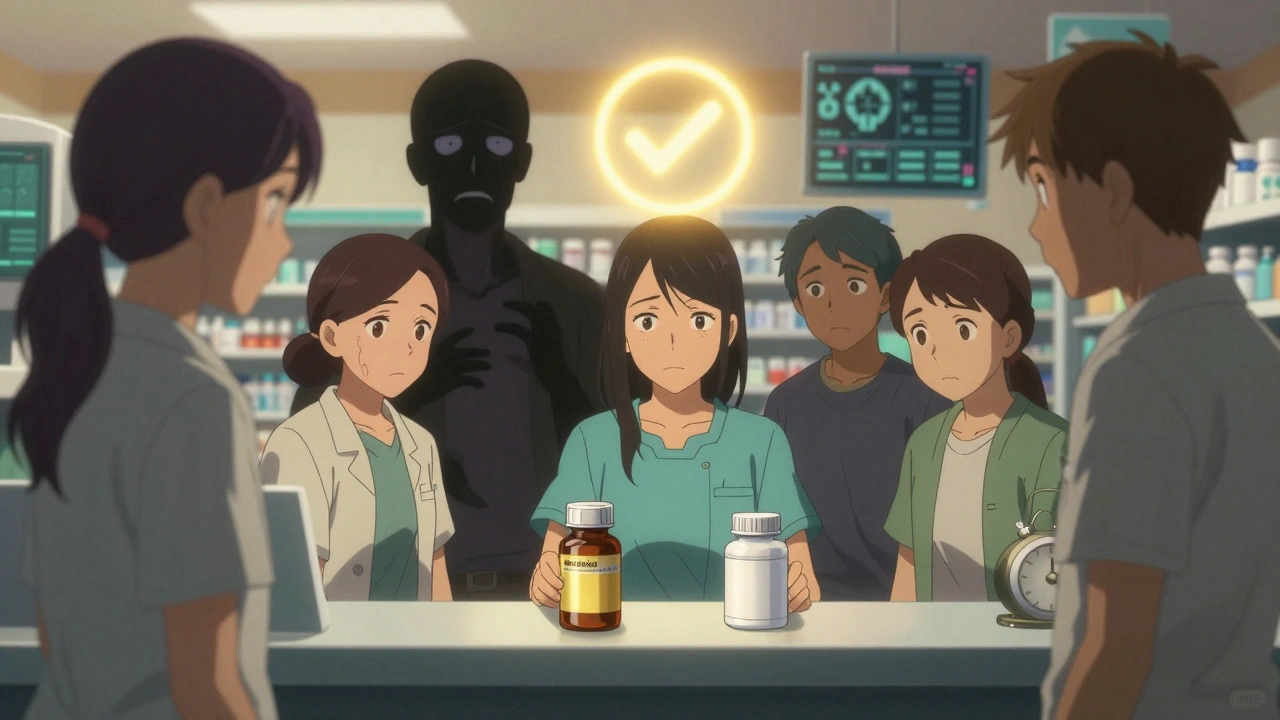
Behavioral Economics: Why Patients Choose Certain Drugs Over Others
Behavioral economics explains why patients often choose expensive, familiar drugs over cheaper alternatives-driven by fear, habit, and cognitive biases. Learn how psychology, not just price, shapes medication decisions.
More Detail