

Medication-Induced Meningitis Risk Checker
How This Tool Works
This tool helps you assess whether your recent symptoms might be related to medication-induced aseptic meningitis. Remember, this is not a medical diagnosis. If you're experiencing symptoms, please contact your doctor immediately.
When you get a bad headache, fever, and stiff neck, your first thought might be meningitis. But what if it’s not an infection at all? What if it’s your medicine causing it? That’s the reality behind drug-induced aseptic meningitis - a serious but often missed reaction to common drugs. Unlike bacterial meningitis, which can be deadly, this form doesn’t involve germs. Instead, your immune system overreacts to a medication, triggering inflammation around your brain and spinal cord. It’s rare, but it’s real - and more common than most doctors realize.
What Exactly Is Drug-Induced Aseptic Meningitis?
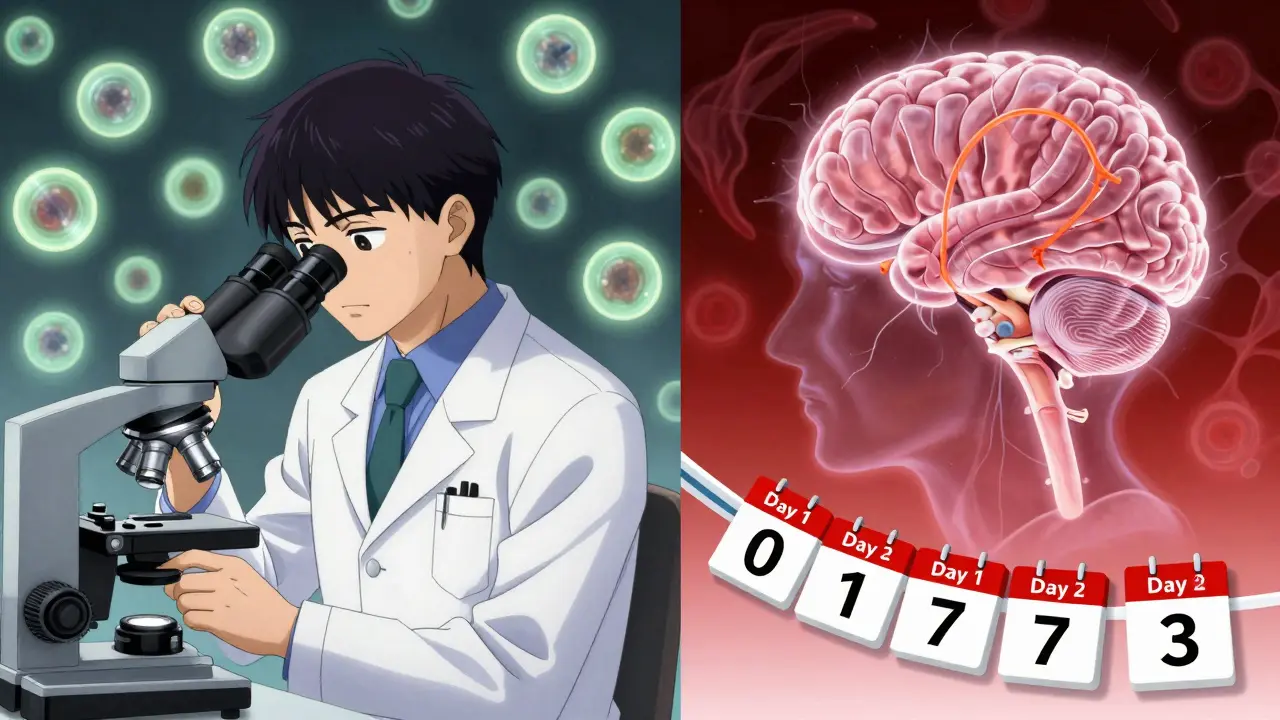
Drug-induced aseptic meningitis (DIAM) is an inflammation of the meninges - the protective layers around your brain and spinal cord - caused by a reaction to certain medications. The word “aseptic” means no bacteria, viruses, or fungi are present. That’s confirmed by a spinal fluid test (CSF) showing no growth in culture, even though the fluid looks inflamed. This condition was first clearly described in a 1999 study published in Archives of Internal Medicine, and since then, over 300 cases have been documented worldwide.
It’s not contagious. You can’t catch it from someone else. It’s a personal reaction - like an allergy, but not exactly the same. The immune system gets confused and attacks the meninges. The exact trigger isn’t always clear, but it’s often linked to specific drug classes. The most common culprits? Intravenous immunoglobulin (IVIG), nonsteroidal anti-inflammatory drugs (NSAIDs), antibiotics like trimethoprim-sulfamethoxazole, and newer biologic drugs like monoclonal antibodies.
How Do You Know It’s Not a Regular Infection?
The symptoms of drug-induced aseptic meningitis are almost identical to viral or bacterial meningitis. You’ll likely feel:
- Severe headache (98% of cases)
- Fever (76%)
- Stiff neck (89%)
- Sensitivity to light (65%)
- Confusion or drowsiness (12%)
So how do doctors tell the difference? Timing is everything. If you started a new medication - even an over-the-counter one like ibuprofen - within the last 72 hours, and then suddenly got these symptoms, it’s a red flag. In fact, 68% of cases show up within 7 days of starting the drug. If you’ve taken the same medicine before without issue, but now it’s causing symptoms, that’s another clue.
Unlike bacterial meningitis, which can kill within hours, DIAM doesn’t progress rapidly. And unlike viral meningitis, which fades on its own in a week, DIAM gets better fast - usually within 24 to 72 hours - once you stop the drug. That’s a key diagnostic clue. If symptoms vanish after stopping the medication, it’s likely DIAM.
Which Medications Are Most Likely to Cause It?
Not all drugs carry the same risk. Some are far more likely to trigger this reaction. According to a 2020 analysis of 329 cases from the French Pharmacovigilance Database, here are the top offenders:
- IVIG (intravenous immunoglobulin) - 28.9% of cases. Often used for immune disorders or infections.
- NSAIDs - 21.6% of cases. Ibuprofen, naproxen, and celecoxib are the most common. People with lupus are especially at risk - up to 40% of NSAID-related DIAM cases happen in those with autoimmune conditions.
- Antibiotics - 11.2% of cases. Trimethoprim-sulfamethoxazole (TMP-SMX) makes up 70% of these. It’s commonly prescribed for urinary tract infections and is especially risky in people with HIV or organ transplants.
- Vaccines - 12.5% of cases. But here’s the catch: only about 0.3% of post-vaccine meningitis cases are true DIAM. Most are just coincidental viral infections.
- Monoclonal antibodies - rising fast. Used in cancer and autoimmune diseases, these drugs now account for 8.7% of DIAM cases, up from just 2.1% in 2010.
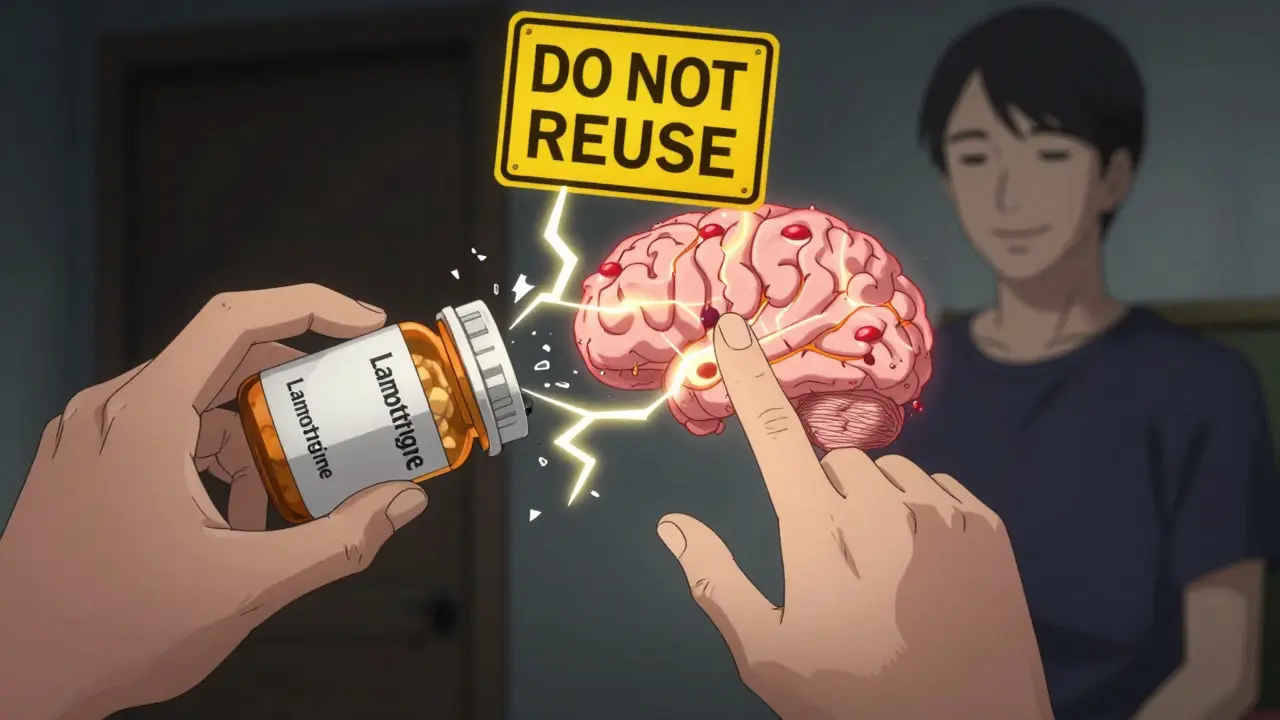
Even less obvious drugs like lamotrigine (used for epilepsy and bipolar disorder) can trigger it. In one study, 38% of people who took lamotrigine again after a previous reaction had symptoms within just 60 minutes. That’s how quickly the body can react.
How Is It Diagnosed?
There’s no single blood test for DIAM. Diagnosis is a process of elimination. Doctors follow four key criteria from the American Academy of Neurology’s 2022 guidelines:
- Timing: Symptoms started shortly after taking the drug - usually within hours or days.
- Exclusion: No signs of infection, cancer, or autoimmune disease in tests.
- Improvement: Symptoms get better after stopping the drug.
- Rechallenge: Symptoms return when the drug is taken again (only done if absolutely safe and necessary).
The most important test is a spinal tap (lumbar puncture). The CSF shows:
- White blood cell count between 100 and 1,000 per microliter (normal is under 5)
- Neutrophils dominate - not lymphocytes, which you’d see in viral meningitis
- Normal glucose levels (this rules out bacterial meningitis)
- Elevated protein in 78% of cases
- No bacteria, fungi, or viruses in culture
Here’s the tricky part: CSF looks almost the same in bacterial and drug-induced meningitis. That’s why doctors often start antibiotics right away - just in case it’s bacterial. But if the patient doesn’t get worse after 24 hours and symptoms start fading, DIAM becomes more likely.
Who’s at Highest Risk?
Some people are more vulnerable than others:
- People with systemic lupus erythematosus (SLE) - 35-40% of NSAID-related DIAM cases occur in these patients.
- HIV-positive individuals - they make up 65% of all antibiotic-related cases, likely because their immune systems are already altered.
- Organ transplant recipients - taking immunosuppressants, they’re more prone to unusual drug reactions.
- People with collagen vascular diseases - like rheumatoid arthritis or scleroderma.
Age doesn’t matter much - cases have been seen in children and older adults. But if you’re on long-term medications for chronic conditions, you’re at higher risk simply because you’re exposed more often.
What Happens After Diagnosis?
The good news? DIAM is treatable - and usually fully reversible. The first step is simple: stop the drug. That’s it. No steroids, no antibiotics, no hospitalization unless symptoms are severe.
Most people feel better within 24 to 72 hours. Headaches might linger for up to two weeks in about 15% of cases, but they gradually fade. No long-term damage is expected if the drug is removed early.
But here’s the catch: if you don’t know what caused it, you might take it again. And that’s dangerous. Re-exposure can lead to faster, more severe reactions. In one case, a patient had a seizure after re-taking lamotrigine. That’s why doctors strongly advise against ever using the drug again once DIAM is confirmed.
Why Is This Often Missed?
Doctors aren’t trained to think of medications as a cause of meningitis. Most assume it’s viral or bacterial. A 2023 review in MedLink Neurology found that nearly 40% of DIAM cases were initially misdiagnosed. Patients were given antibiotics unnecessarily. Some were hospitalized for days before the real cause was found.
The key is asking the right questions. Did you start a new pill? Even one from the pharmacy? Did you take extra ibuprofen for a headache? Did you get a vaccine recently? Did you switch antibiotics? These details matter. A thorough medication history - including OTC drugs, supplements, and even herbal products - is essential.
What’s Next for Diagnosis and Treatment?
Researchers are working on better tools. A 2023 NIH-funded study (NCT04892527) is testing whether specific cytokines in spinal fluid can distinguish DIAM from infection. If successful, this could cut down misdiagnoses and reduce unnecessary antibiotic use.
Another goal is creating standardized diagnostic checklists for ER doctors and neurologists. Right now, it’s hit-or-miss. Some hospitals have protocols. Many don’t. With the rise of biologic drugs - used in cancer, rheumatoid arthritis, and Crohn’s disease - DIAM cases are expected to keep climbing.
The American Neurological Association reaffirmed in 2024 that DIAM is a real, distinct condition that deserves attention. It’s not rare enough to ignore. It’s common enough to be dangerous if missed.
What Should You Do If You Suspect It?
If you’re on medication and suddenly develop headache, fever, and neck stiffness:
- Stop taking the drug immediately - but only if you’re sure it’s the cause.
- Call your doctor. Don’t wait for symptoms to get worse.
- Write down every medication you’ve taken in the last 7 days - including vitamins and supplements.
- Don’t assume it’s “just a virus.” If symptoms come on fast after starting a new drug, it could be DIAM.
- Be prepared for a spinal tap. It’s the only way to confirm.
Remember: DIAM isn’t something you can treat at home. It requires medical evaluation. But if caught early, it’s one of the easiest neurological conditions to fix - just stop the drug and wait.
Can over-the-counter painkillers like ibuprofen cause aseptic meningitis?
Yes. NSAIDs like ibuprofen, naproxen, and celecoxib are among the top causes of drug-induced aseptic meningitis, responsible for over 20% of documented cases. The risk is higher in people with lupus or other autoimmune conditions. Even occasional use can trigger it - especially if you’ve had a previous reaction.
Is drug-induced meningitis contagious?
No. Drug-induced aseptic meningitis is not contagious. It’s an individual immune reaction to a medication, not an infection. You can’t catch it from someone else. The inflammation is caused by your body’s response to the drug, not by bacteria or viruses.
How long does it take to recover from medication-induced meningitis?
Most people feel significantly better within 24 to 72 hours after stopping the offending drug. Full recovery usually happens within 5 days. Headaches may linger for up to two weeks in about 15% of cases, but there’s no permanent damage if the drug is discontinued early.
Can vaccines cause aseptic meningitis?
Rarely. While vaccines are listed as a cause in about 12.5% of cases, true drug-induced meningitis from vaccines occurs in only 0.3% of post-vaccination meningitis cases. Most cases after vaccination are coincidental viral infections. The benefits of vaccines far outweigh this extremely low risk.
Do I need antibiotics if I have drug-induced meningitis?
Not if it’s confirmed as drug-induced. But since symptoms mimic bacterial meningitis, doctors often start antibiotics right away while waiting for spinal fluid results. If symptoms improve quickly and cultures come back negative, antibiotics are stopped. Unnecessary antibiotics can lead to side effects and resistance - so accurate diagnosis matters.
Can I take the same drug again if I had drug-induced meningitis once?
No. Re-exposure to the same drug almost always causes symptoms to return - often faster and more severely. In some cases, it’s led to seizures or prolonged hospitalization. Once you’ve had drug-induced aseptic meningitis, you should avoid that drug for life. Tell all your doctors about it.


So let me get this straight-I take ibuprofen for my headache, and now my brain’s on fire? Thanks, Big Pharma. Next you’ll tell me my toothpaste is giving me meningitis.