

When it comes to protecting your heart, what you eat matters more than you might think. It’s not about extreme restrictions or counting every calorie. It’s about choosing foods that naturally lower blood pressure, reduce bad cholesterol, and fight inflammation. Three eating patterns stand out in the science: the Mediterranean diet, the DASH diet, and plant-forward eating. Each has been tested in real people over years - not just in labs - and each has proven results. You don’t need to pick one and stick to it rigidly. But knowing how they work can help you build a way of eating that actually lasts.
What Makes a Diet Heart-Healthy?
A heart-healthy diet doesn’t just avoid junk food. It actively supports your cardiovascular system. That means lowering blood pressure, reducing LDL (bad) cholesterol, cutting inflammation, and keeping blood vessels flexible. The American Heart Association calls these Tier 1 eating patterns because they’re backed by the strongest evidence. They all share core principles: lots of vegetables, fruits, whole grains, beans, nuts, and healthy fats. They limit sodium, added sugars, and processed foods. But how they get there? That’s where they differ.
The Mediterranean Diet: Flavor First, Science Second
Think olive oil, grilled fish, tomatoes, olives, and a glass of red wine with dinner. That’s the Mediterranean diet. It’s not a new fad - it’s based on how people ate for centuries in Greece, Italy, Spain, and other countries around the Mediterranean Sea. In the 1950s, researcher Ancel Keys noticed these populations had far fewer heart attacks than Americans. Since then, dozens of studies have confirmed it: people who follow this pattern live longer, with fewer heart attacks and strokes.
The magic lies in what’s in it. Extra-virgin olive oil is the star fat - rich in monounsaturated fats that help lower LDL without touching good cholesterol. Nuts and seeds give you omega-3s and fiber. Fatty fish like salmon and sardines show up at least twice a week. Red meat? Maybe once or twice a month. Dairy is there, but usually as yogurt or cheese in small amounts. Wine? Optional, and only if you already drink - one glass a day for women, two for men.
What’s surprising? You don’t need to be perfect. A 2023 study tracking over 2,000 people for 10 years found that even moderate adherence to this diet cut the risk of dying from heart disease by nearly 30%. And unlike some diets, it doesn’t feel like deprivation. People who stick with it say it’s the tastiest one they’ve tried. A 2023 Healthline survey gave it a 4.3 out of 5 for satisfaction - higher than any other heart-healthy diet.
The DASH Diet: Built for Blood Pressure
If high blood pressure is your main concern, the DASH diet was made for you. Developed in the 1990s by researchers at Harvard and funded by the National Institutes of Health, DASH stands for Dietary Approaches to Stop Hypertension. And it works. In the original trial, people with high blood pressure saw systolic pressure drop by up to 11.4 mm Hg in just eight weeks - without medication.
DASH is precise. It gives you daily targets: 6-8 servings of grains (mostly whole), 4-5 servings of vegetables, 4-5 servings of fruits, 2-3 servings of low-fat dairy, and 6 or fewer ounces of lean meat or fish. It also limits sodium to 1,500-2,300 mg per day. That’s tough. The average American eats over 3,400 mg. But the results are worth it. A 2022 study found that 29% of hypertensive patients on DASH were able to reduce or stop their blood pressure meds within six months.
Here’s the catch: DASH is strict. You can’t just swap out chips for carrots - you need to track portions. A 2022 NIH study showed only 27% of people hit the 1,500 mg sodium target without professional help. But there’s flexibility. The OmniHeart study showed that swapping some carbs for more healthy fats (like olive oil or avocado) or more protein (like legumes or fish) made the diet even better - and easier to stick with. People who followed the higher-unsaturated-fat version stuck with it 68% of the time.
Reddit users report big wins. One person, u/HypertensionWarrior, said DASH dropped their blood pressure from 150/95 to 130/85 in six weeks. But they also said the sodium limits were brutal. If you’re not ready to read every label or cook everything from scratch, start with the higher-fat version. It’s still powerful.
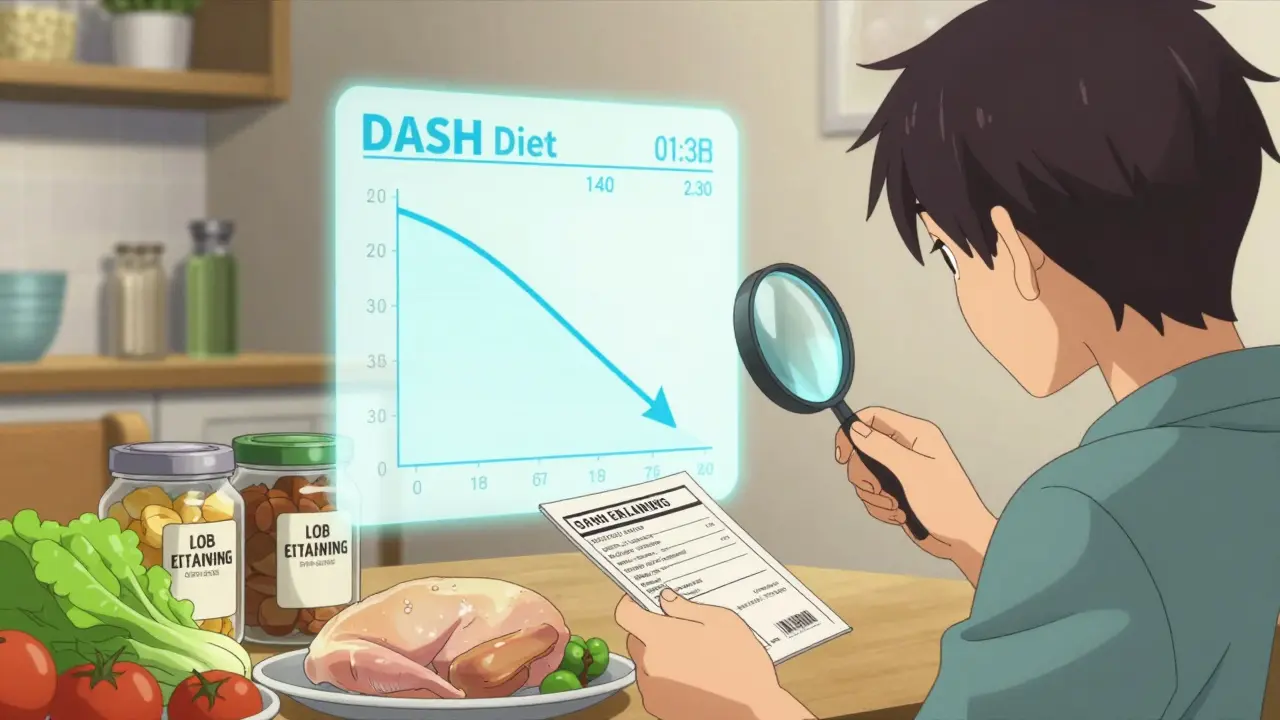
Plant-Forward Eating: Flexibility Is the Key
Plant-forward eating isn’t vegan. It’s not even vegetarian. It’s simply putting plants at the center of your plate - not as an afterthought, but as the main event. You still eat meat, eggs, or dairy if you want - but they’re side dishes, not the star.
This approach isn’t tied to one set of rules. It’s based on the patterns seen in traditional diets worldwide - from Japan to Mexico to Ethiopia. And the science is clear: the more plant foods you eat, the lower your risk of heart disease. The 2024 PURE study found that people who got most of their protein from plants had 23% fewer heart-related deaths over time.
You don’t need to go all-in. A 2024 Nielsen survey found that 42% of Americans now eat mostly plant-based meals at least three times a week. That’s enough to make a difference. One study showed that even replacing one serving of red meat per day with beans or lentils cut LDL cholesterol by 5%. Another found that adding just one extra serving of vegetables daily lowered blood pressure slightly - and improved energy levels in 68% of people.
It’s also the most flexible. If you’re eating out, you can choose the veggie stir-fry over the burger. If you’re at a family BBQ, you can load up on grilled veggies and skip the hot dog. The Veganuary 2024 survey found that 67% of people who tried plant-forward eating kept at least part of it after six months. The biggest hurdle? Social situations - 78% said dining out or family meals made it harder.
How Do They Compare?
Let’s cut through the noise. Which one’s best? It depends on what you need.
| Feature | Mediterranean | DASH | Plant-Forward |
|---|---|---|---|
| Primary Goal | Reduce overall heart disease risk | Lower blood pressure | Reduce inflammation and cholesterol |
| Sodium Limit | Not strictly limited | 1,500-2,300 mg/day | Generally low, no official target |
| Fat Source | Olive oil, nuts, fish | Low-fat dairy, lean meat | Plant oils, avocados, nuts |
| Dairy | Moderate (yogurt, cheese) | Low-fat dairy encouraged | Optional |
| Meat | 1-2 servings/month | 6 oz/day max | Small amounts, occasional |
| Wine | Moderate, optional | Not recommended | Not required |
| Best For | Sustainability, taste, long-term health | Rapid BP reduction, medical supervision | Flexibility, affordability, ethical eating |
Here’s the kicker: the highest-ranked diet for overall health is Mediterranean. But for pure blood pressure control, DASH wins. And if you want something that fits real life - with holidays, travel, and cravings - plant-forward is the easiest to maintain.
What’s New? The Medi-DASH Combo
Why choose one? Researchers are now testing combinations. The Medi-DASH diet blends the best of both. It keeps DASH’s sodium limits and portion targets but adds Mediterranean staples: olive oil, nuts, fatty fish, and more vegetables. A 12-week trial with 350 people showed this combo lowered systolic blood pressure by 12.4 mm Hg and cut LDL cholesterol by nearly 19 mg/dL - better than either diet alone.
The American College of Cardiology’s 2025 draft guidelines are expected to officially endorse this hybrid approach. And it makes sense. If you love the taste of olive oil but need to bring down your blood pressure, why not use both?

Real-World Tips to Start Today
You don’t need to overhaul your kitchen. Start small.
- Swap butter for olive oil when cooking or drizzling on veggies.
- Make one meatless meal a week - beans, lentils, or tofu instead of chicken or beef.
- Choose whole-grain bread, pasta, or rice over white versions.
- Snack on a handful of unsalted nuts instead of chips.
- Read labels. Aim for less than 140 mg of sodium per serving.
- Keep fruit visible - on the counter, in the fridge - so you grab it first.
And give yourself time. A 2023 study found it takes 3-6 months to fully adopt any of these patterns. Don’t stress about perfection. If you slip up, just get back on track the next meal.
What About Cost and Accessibility?
A 2024 USDA analysis found that full adherence to these diets costs about $1.50 more per day than the average American diet. That’s real. But here’s the flip side: heart disease costs far more. One heart attack can set you back tens of thousands. Preventing it saves money long-term.
And you don’t need expensive ingredients. Canned beans, frozen vegetables, oats, eggs, and bananas are cheap and heart-healthy. Buying in bulk, cooking at home, and planning meals can bring costs down. Many health insurers now cover nutrition counseling for these diets - ask your provider.
Final Thought: It’s Not About Perfection
You don’t need to be 100% Mediterranean, DASH, or plant-forward to protect your heart. You just need to move in that direction. Eat more plants. Cut back on salt. Choose healthy fats. Move your body. Sleep well. These aren’t diets - they’re habits. And habits, not extremes, are what keep your heart strong for decades.
Can I still eat meat on a heart-healthy diet?
Yes, but less often and in smaller amounts. The Mediterranean diet allows 1-2 servings of red meat per month. DASH limits lean meat to 6 ounces daily. Plant-forward eating makes meat a side, not the main. Choose lean cuts, avoid processed meats like bacon or sausage, and focus on fish, poultry, beans, or tofu more often.
Is the DASH diet too strict for everyday life?
It can be, especially with the 1,500 mg sodium target. Most people find it easier to start with 2,300 mg and work down. Use herbs, spices, lemon, and vinegar instead of salt. Cook at home more. Avoid canned soups, packaged snacks, and fast food. The higher-unsaturated-fat version of DASH is more flexible and just as effective.
Do I need to give up wine to protect my heart?
Not necessarily. Moderate red wine (1 glass a day for women, 2 for men) is part of the Mediterranean diet and may offer some heart benefits due to antioxidants. But if you don’t drink, don’t start. If you have a history of addiction, liver issues, or take certain medications, skip it. Alcohol isn’t required - and for some, it’s a risk.
Which diet is best for lowering cholesterol?
All three help, but Mediterranean and plant-forward diets lead here. They’re high in soluble fiber (from oats, beans, apples) and healthy fats (olive oil, nuts, avocado), which directly lower LDL. DASH helps too, but its focus is on sodium and blood pressure. If cholesterol is your main concern, prioritize plant foods and olive oil.
Can I combine these diets?
Absolutely - and many experts recommend it. The Medi-DASH hybrid combines DASH’s sodium limits with Mediterranean-style fats and fish. You can add plant-forward principles by making vegetables the center of every meal. Flexibility is key. Use what works for your taste, budget, and lifestyle. There’s no single right way - just better choices.
How long until I see results?
Blood pressure can drop in as little as two weeks on DASH. Cholesterol improvements often show in 4-6 weeks. Energy levels and digestion improve faster - many report feeling better within days. But lasting change takes months. Stick with it. The benefits build over time.


The government pushed these diets to control us and make us dependent on their food stamps program
They don't want you to eat real meat or butter because then you'd be too strong to control
Remember when they said saturated fat was bad? Turns out it was Big Sugar funding the studies
They're all just lies wrapped in fancy labels to sell you organic kale at $12 a bag