

Walking into a doctor's office to talk about drug use can feel like walking into a trap. You want to be safe, but the fear of being judged, labeled, or even denied care often keeps people silent. This silence is dangerous. In the U.S. alone, dozens of people die daily from prescription opioid and heroin overdoses, and many of those deaths could have been prevented by a simple conversation and a prescription for overdose prevention tools.
The truth is that while medical training is improving, stigma still exists. Some providers might still view substance use as a moral failing rather than a health condition. However, you have more power than you think. By using specific communication strategies and framing your request as a standard safety measure, you can steer the conversation toward clinical care and away from judgment. Here is how to handle that conversation effectively.
The Power of the Right Words
The words you use can actually change how a doctor perceives you. There is a documented shift toward what experts call "person-first language." Instead of using labels that define a person by their struggle, this approach focuses on the individual first.
For example, avoid terms like "addict" or "junkie." Instead, refer to the situation as having a Substance Use Disorder is a complex condition where there is an inability to control the use of a legal or illegal drug or medicine . Research from Johns Hopkins shows that using person-first language can increase the likelihood of receiving compassionate care by nearly 40%. When you describe your experience as a health condition, you nudge the doctor to treat it like any other chronic illness, such as diabetes or hypertension.
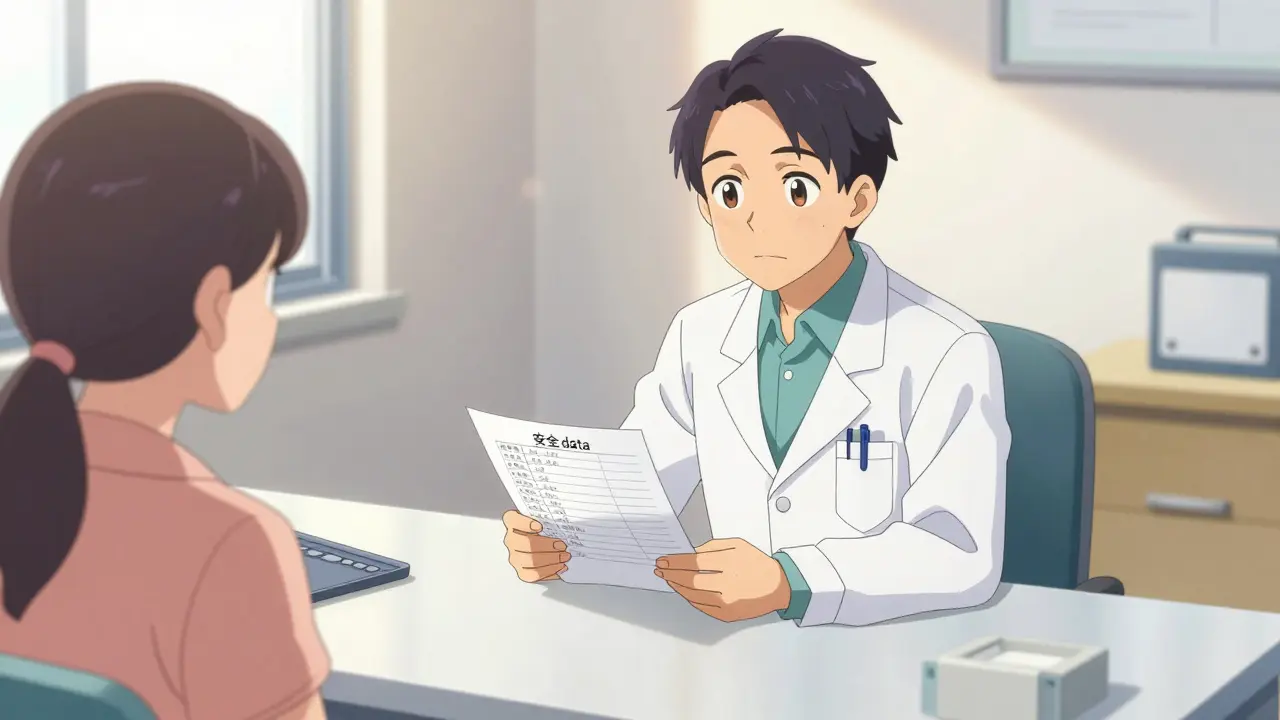
Preparing Your "Safety Data"
Doctors love data. When a conversation is vague, it leaves room for assumptions and stereotypes. When a conversation is factual and organized, it becomes a clinical exercise. Before your appointment, take 20 minutes to create a medication timeline.
Don't leave anything out. List every substance you are using, including:
- Prescription medications (including dosages and frequency).
- Over-the-counter drugs.
- Illicit substances.
- Alcohol.
Having this list written down prevents you from forgetting details when you're nervous and shows the provider that you are proactive about your health. This level of preparation significantly increases the chances of a productive conversation because it shifts the focus from "behavior" to "pharmacology."
How to Ask for Naloxone
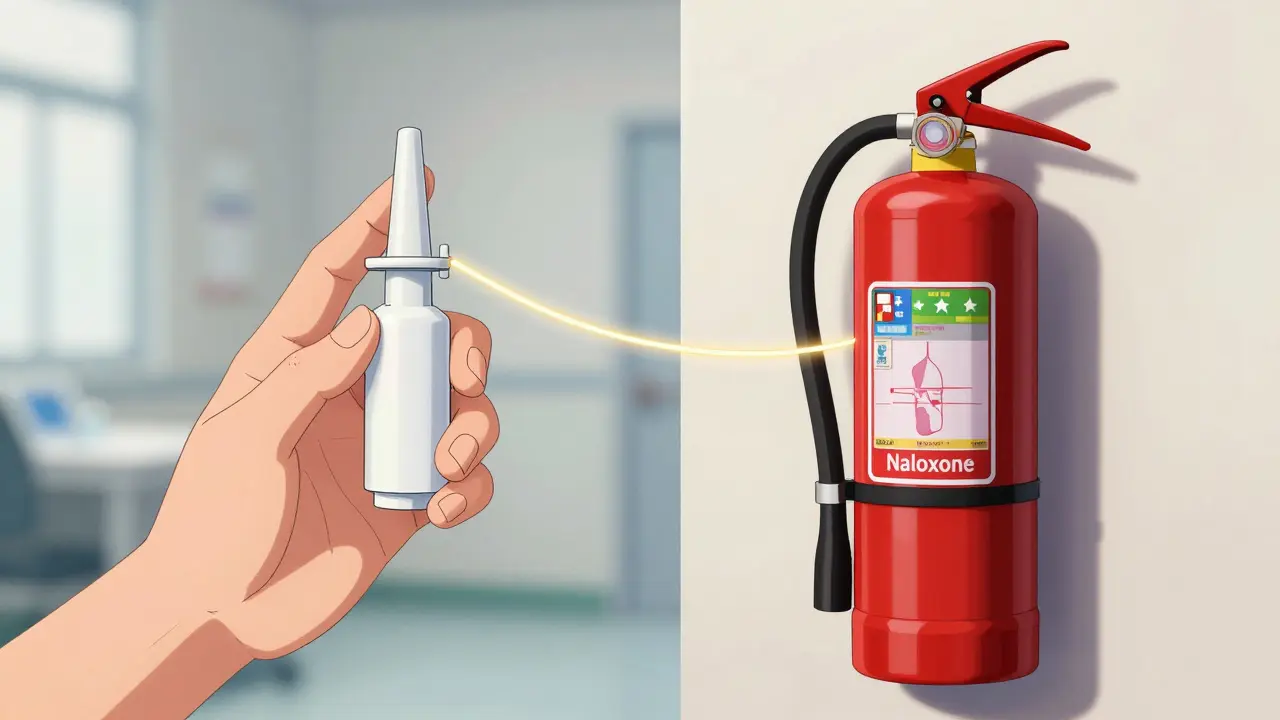
The most critical part of an overdose prevention plan is Naloxone is a medication that can reverse an opioid overdose by temporarily blocking the effects of opioids on the brain . Many people hesitate to ask for it because they worry the doctor will ask, "Why do you need this?"
The secret is to frame it as a safety tool, not a confession. Compare it to a fire extinguisher or an EpiPen. You don't buy a fire extinguisher because you plan to start a fire; you buy it because you want to be safe if one happens.
| Approach | Example Phrase | Likely Outcome |
|---|---|---|
| Vague/Emotional | "I'm worried I might overdose." | Higher risk of judgmental questioning. |
| Direct/Clinical | "I'd like to discuss overdose prevention as part of my safety plan." | Higher likelihood of non-judgmental prescription. |
| Safety-Framed | "I want naloxone as a standard safety measure, similar to a fire extinguisher." | Strongest alignment with current medical guidelines. |
According to a study in JAMA Internal Medicine, being explicit about wanting a safety measure increases the likelihood of a prescription by 62% compared to vague requests. If the doctor asks why you need it, you can simply say, "As part of my comprehensive health plan, I want to ensure I have all the necessary safety tools available."
Dealing with Stigma in the Moment
Despite the best preparation, you might encounter a provider who uses stigmatizing language or expresses doubt. It is frustrating, but you can handle it by naming the stigma directly. If a doctor says something judgmental, you can respond with: "I'm concerned about being judged, which is why I want to discuss these prevention strategies openly and honestly."
By calling out the stigma, you remind the provider of their clinical obligation to provide unbiased care. The American Medical Association is the largest association of physicians and medical students in the United States, which has updated its policies to treat substance use as a chronic disease has explicitly instructed physicians to avoid stigmatizing language. If you feel you are being mistreated, remember that you have the right to request a different provider or seek a Federally Qualified Health Center is a community-based organization that provides comprehensive primary care regardless of a patient's ability to pay , as many of these centers have standardized, non-stigmatizing intake protocols.
Navigating Systemic Barriers
While talking to your doctor is a huge step, the healthcare system itself can be a hurdle. In rural areas, for instance, there are fewer providers trained to prescribe medications like Buprenorphine is a partial opioid agonist used in the treatment of opioid use disorder to reduce cravings and withdrawal symptoms . You might find that your local clinic isn't as equipped as a large city hospital.
If your doctor cannot provide the help you need, don't take it as a personal rejection. It may be a lack of training or insurance restrictions. In these cases, utilize resources like the SAMHSA National Helpline is a confidential, free, 24/7, 365-day-a-year treatment referral and information service to find a provider who specializes in substance use disorders. These specialists are far more likely to be trained in the latest stigma-reduction techniques and have the tools necessary to support your safety.
What if my doctor refuses to prescribe naloxone?
If a provider refuses, ask them to document the refusal in your medical record. Often, the act of documenting a refusal to provide a life-saving safety measure encourages them to reconsider. Alternatively, check your local laws; in many regions, naloxone is available over-the-counter without a prescription.
Will talking about my substance use be reported to the police?
In most clinical settings, patient-doctor confidentiality protects your information. Doctors are generally not required to report a patient's drug use to law enforcement unless there is an immediate threat of harm to yourself or others, or in cases of child abuse. However, it is always okay to ask your doctor about their specific confidentiality policy before you share sensitive information.
How do I find a doctor who is "stigma-free"?
Look for providers who explicitly mention "Harm Reduction" or "Patient-Centered Care" in their bios. You can also check if they are affiliated with Federally Qualified Health Centers or specialized addiction medicine clinics, as these providers usually undergo specific training in non-stigmatizing communication.
Is it okay to bring a friend or advocate to the appointment?
Yes, and it's actually highly recommended. Having a supportive person in the room can help you stay focused, ensure your questions are answered, and provide an extra layer of accountability if the provider becomes judgmental.
Does the type of drug I use matter when asking for help?
Clinically, the goal is the same: safety. While naloxone specifically reverses opioid overdoses, the conversation about risk reduction applies to all substances. Being honest about what you use allows the doctor to provide the most accurate safety advice, such as avoiding dangerous drug-drug interactions.
Next Steps for Your Safety Plan
If you're feeling overwhelmed, start small. You don't have to disclose everything in the first five minutes. You can begin by asking a general question about safety measures for your current prescriptions. If the doctor responds with empathy and openness, you can move toward a deeper discussion about your specific risks.
For those who aren't ready for a doctor's visit, consider joining a peer support group like SMART Recovery. Hearing how others have successfully navigated medical appointments can give you the confidence to script your own talking points. Remember, your safety is the priority. A doctor's potential judgment is a small price to pay for a life-saving tool like naloxone.


The intersection of clinical language and personal identity is fascinating here. By stripping away the moral weight and replacing it with pharmacological data, we're essentially hacking the medical system's own logic to ensure survival. It's a pragmatic approach to a systemic failure.