
Serotonin Risk Calculator
Assess Your Risk
Enter your antidepressant type and L-tryptophan dosage to see potential risks and safety guidelines.
Risk Assessment Results
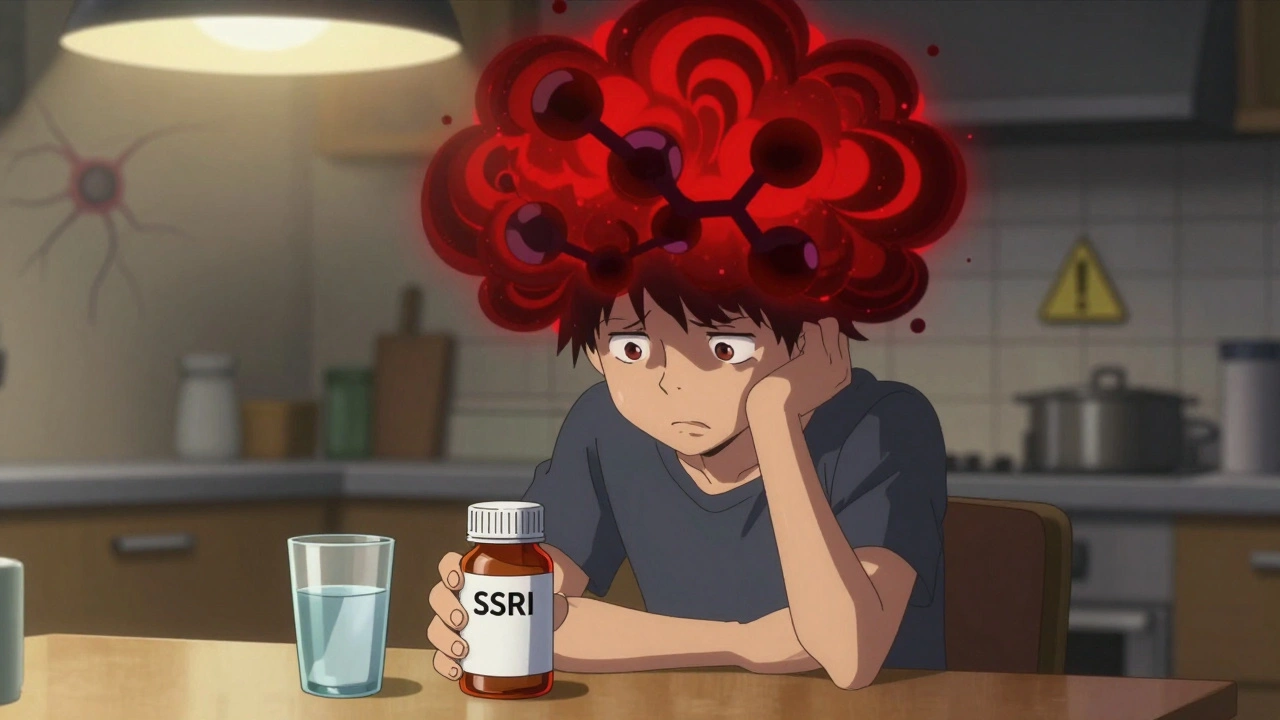
Combining L-tryptophan supplements with antidepressants might seem like a smart way to boost mood-after all, tryptophan is the building block of serotonin, the brain chemical most antidepressants target. But here’s the hard truth: mixing them can be dangerous. Not just mildly risky-potentially life-threatening. If you’re taking an SSRI, SNRI, MAOI, or even some tricyclics, adding tryptophan without medical supervision isn’t a tweak. It’s a gamble with your nervous system.
Why L-Tryptophan Matters for Serotonin
L-tryptophan isn’t just another amino acid. It’s the only direct precursor your body uses to make serotonin. Without it, serotonin production drops. Studies show that when plasma tryptophan levels fall, brain serotonin synthesis plummets by up to 95% within hours. That’s why researchers use a method called rapid tryptophan depletion (RTD)-giving people a mix of amino acids that blocks tryptophan from entering the brain-to temporarily lower serotonin and study its effects.
When serotonin drops, people who’ve recovered from depression often relapse-especially if they’re on SSRIs. One study found that 47% of patients on SSRIs who underwent tryptophan depletion slipped back into depression within 24 hours. Their HAM-D depression scores jumped from a stable 4.2 to 18.7. That’s not a bad day. That’s a full-blown return of symptoms.
But here’s the twist: this doesn’t happen to everyone. People not on antidepressants, or those on non-serotonergic drugs like bupropion, rarely show mood changes after tryptophan depletion. That tells us something important: tryptophan’s effect is tied to how your brain’s serotonin system is already being manipulated by medication.
How Antidepressants Interact with Tryptophan
Not all antidepressants play the same game with tryptophan. SSRIs like fluoxetine and sertraline block serotonin reuptake, keeping more of it floating around in your brain. When you add tryptophan, you’re essentially pouring more fuel into a fire that’s already burning hot. That’s why the risk of serotonin syndrome spikes.
MAOIs are even more dangerous. These drugs stop serotonin from being broken down. Add tryptophan, and your brain gets flooded with serotonin from both ends-more made, less destroyed. That’s why doctors warn against combining MAOIs with any serotonin-boosting supplement, including St. John’s wort or 5-HTP.
Tricyclics like amitriptyline and desipramine are different. Early studies showed they actually make your brain more responsive to tryptophan. That means they might amplify serotonin production-but not always in a way that causes overload. Still, this doesn’t mean it’s safe to mix them. The interaction is unpredictable, and the line between helpful and harmful is thin.
On the other hand, bupropion (Wellbutrin) works on dopamine and norepinephrine, not serotonin. People on bupropion don’t relapse after tryptophan depletion. That’s a clear signal: if your antidepressant doesn’t target serotonin, tryptophan won’t trigger the same risks.
The Serotonin Syndrome Danger
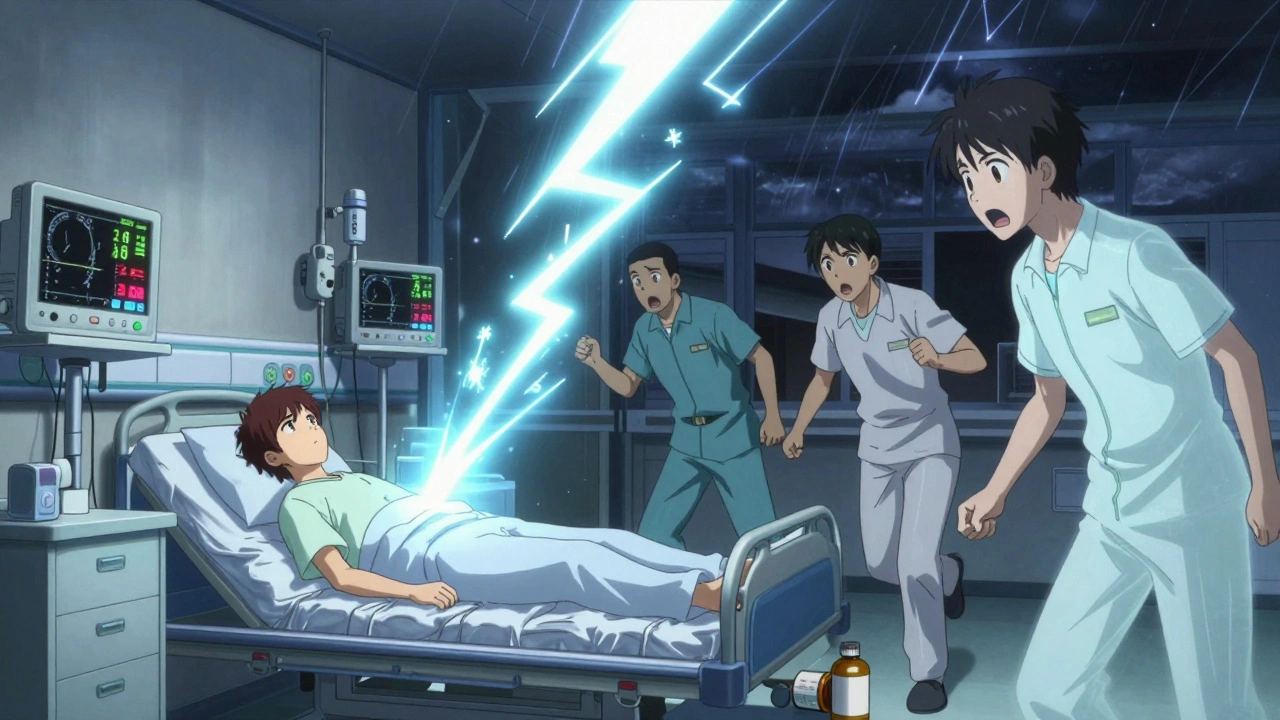
Serotonin syndrome isn’t a myth. It’s real, fast, and sometimes fatal. Symptoms start with mild shivering, diarrhea, and restlessness-and can escalate to high fever, seizures, irregular heartbeat, and unconsciousness. It doesn’t always take high doses. In one case, a woman taking 1,000 mg of tryptophan daily with sertraline developed full serotonin syndrome within 12 hours. She needed ICU care.
Amazon reviews from 2023 show 15% of users who combined tryptophan with SSRIs mentioned serotonin syndrome concerns. That’s not a small number. And it’s not just anecdotal. A 2022 survey of 487 psychiatrists found that 73% refuse to recommend tryptophan to patients on SSRIs. Why? Because the risk isn’t worth the uncertain benefit.
Even supplements labeled as “natural” or “safe” can be dangerous. The FDA found that 41% of tryptophan products on the market in 2021 didn’t include any warning about serotonin syndrome. That’s not negligence-it’s a public health blind spot.
Historical Context: The 1989 Contamination Crisis
You might wonder why tryptophan was banned in the U.S. for 16 years. In 1989, over 1,500 people developed eosinophilia-myalgia syndrome (EMS), a rare and deadly disorder that caused severe muscle pain, nerve damage, and organ failure. Thirty-seven people died. The culprit? A toxic contaminant in a single batch of tryptophan made by a Japanese manufacturer.
The FDA banned all tryptophan supplements. Research ground to a halt. Even after the ban was lifted in 2005, the stigma stuck. Today, many doctors still assume all tryptophan is unsafe. But the problem wasn’t tryptophan itself-it was a manufacturing flaw. Modern, purified tryptophan from reputable sources is free of that contaminant.
Still, the history matters. It’s why regulatory oversight is so strict, and why you should never buy tryptophan from unknown brands. Stick to manufacturers that provide third-party testing certificates. Look for USP or NSF certification. Don’t trust labels that say “pure” without proof.
Who Might Benefit-and Who Should Avoid It
There are cases where tryptophan helps. In a 2018 study, 63% of patients who didn’t fully respond to SSRIs saw improvement when 3 grams of tryptophan was added daily. But that was under strict medical supervision. Plasma tryptophan levels were monitored. Doses were adjusted. Patients were watched for side effects.
That’s not something you can do at home. The therapeutic window is narrow. Too little, and nothing happens. Too much, and you risk serotonin overload. The European Food Safety Authority says 5 grams per day is the upper safety limit-but that’s for healthy adults without medication. For someone on antidepressants? Even 1 gram could be risky.
People with bipolar disorder should avoid tryptophan entirely. It can trigger mania. Pregnant women? No data. Kids? No safety data. Anyone with liver or kidney disease? Avoid it. And if you’re on any other supplement that affects serotonin-like 5-HTP, SAM-e, or St. John’s wort-you’re already playing with fire.

What the Experts Say Now
The serotonin theory of depression has been under fire since 2022, when a major review of 17 studies involving over 116,000 people found no clear evidence that low serotonin causes depression. That doesn’t mean serotonin doesn’t matter-it means the story is more complex. Tryptophan’s role might not be about fixing a “chemical imbalance.” It might be about how your brain responds to stress, inflammation, or genetic vulnerability.
One emerging idea is that tryptophan gets diverted into the kynurenine pathway during chronic stress, producing metabolites that may actually worsen depression. That’s why some researchers now think measuring kynurenine-to-tryptophan ratios is more useful than checking serotonin levels.
But here’s what’s clear: if you’re on antidepressants, don’t experiment. The science isn’t settled enough to make self-treatment safe. Even if you feel fine, your brain might be on the edge of a dangerous reaction.
Practical Guidelines for Safety
- Never combine tryptophan with SSRIs, SNRIs, or MAOIs without a doctor’s supervision.
- If you’re on bupropion or another non-serotonergic antidepressant, tryptophan is less risky-but still talk to your provider first.
- Use only pharmaceutical-grade tryptophan with third-party testing (USP, NSF, or similar).
- Avoid doses over 1,000 mg per day if you’re on any antidepressant.
- Watch for early signs of serotonin syndrome: agitation, rapid heartbeat, sweating, tremors, diarrhea.
- Stop immediately and seek medical help if symptoms appear.
- Wait at least 7-10 days after stopping an SSRI before starting tryptophan-and vice versa.
There’s no shortcut here. Supplements aren’t safer just because they’re natural. They can be just as powerful-and just as dangerous-as prescription drugs.
Alternatives to Tryptophan for Mood Support
If you’re looking to support your mood without risking interactions, consider these evidence-backed options:
- Exercise: 30 minutes of moderate activity five times a week boosts serotonin naturally and has been shown to be as effective as SSRIs for mild to moderate depression.
- Vitamin D: Low levels are linked to depression. Many people, especially in places like Melbourne, are deficient. A daily 1,000-2,000 IU dose can help.
- Omega-3s: EPA-rich fish oil (at least 1,000 mg EPA daily) has strong data supporting its use alongside antidepressants.
- Cognitive behavioral therapy (CBT): Proven to reduce relapse rates and improve long-term outcomes better than medication alone.
These don’t carry the same risks. They work with your body, not against it.


i just took tryptophan for sleep and didn’t even know it could do this. guess i got lucky. or dumb. maybe both.
no more supplements for me.