
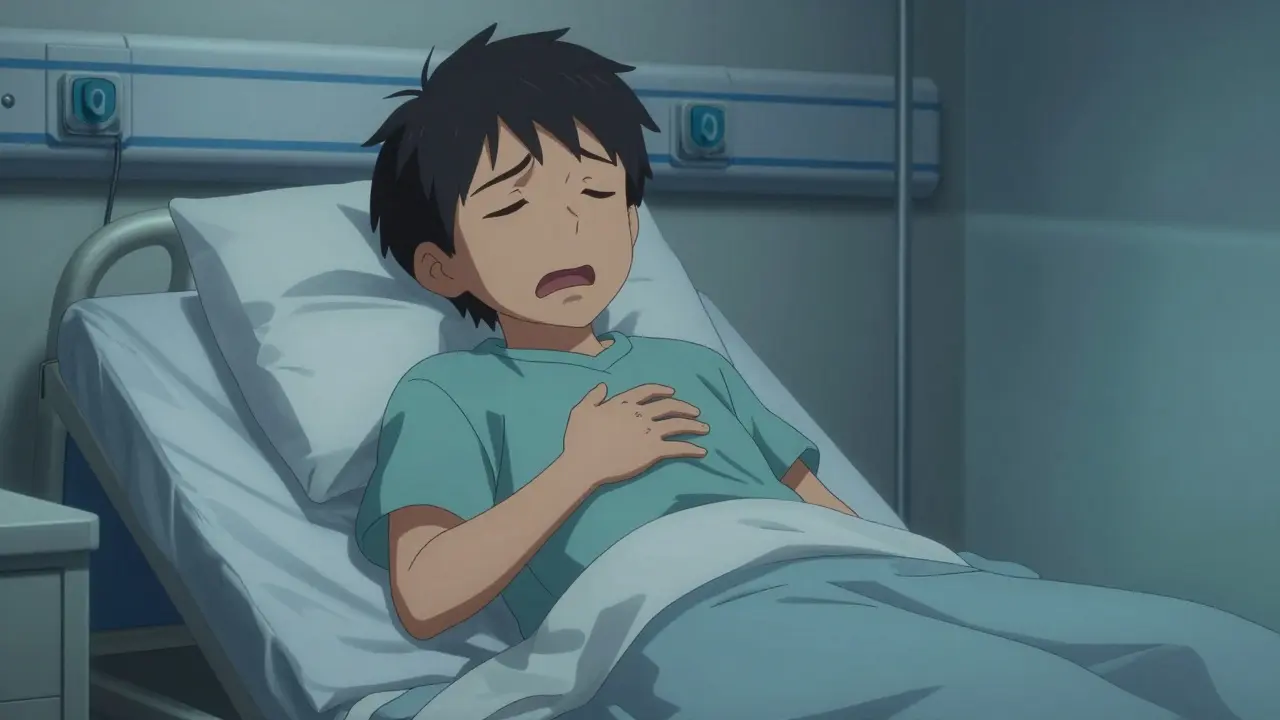
Medication-Induced Hiccup Analyzer
Symptom Details
Analysis Result
Fill in the details and click "Analyze Connection" to see the result.
Quick Summary: Key Takeaways
- Corticosteroids (like dexamethasone) are the most common drug triggers for hiccups.
- Hiccups are considered "persistent" after 48 hours and "intractable" after one month.
- Medical-induced cases often involve the phrenic nerve or neurotransmitter imbalances.
- Non-drug remedies like granulated sugar have a surprisingly high success rate.
- Always consult a doctor before stopping a prescribed medication to treat hiccups.
How Medications Actually Trigger Hiccups
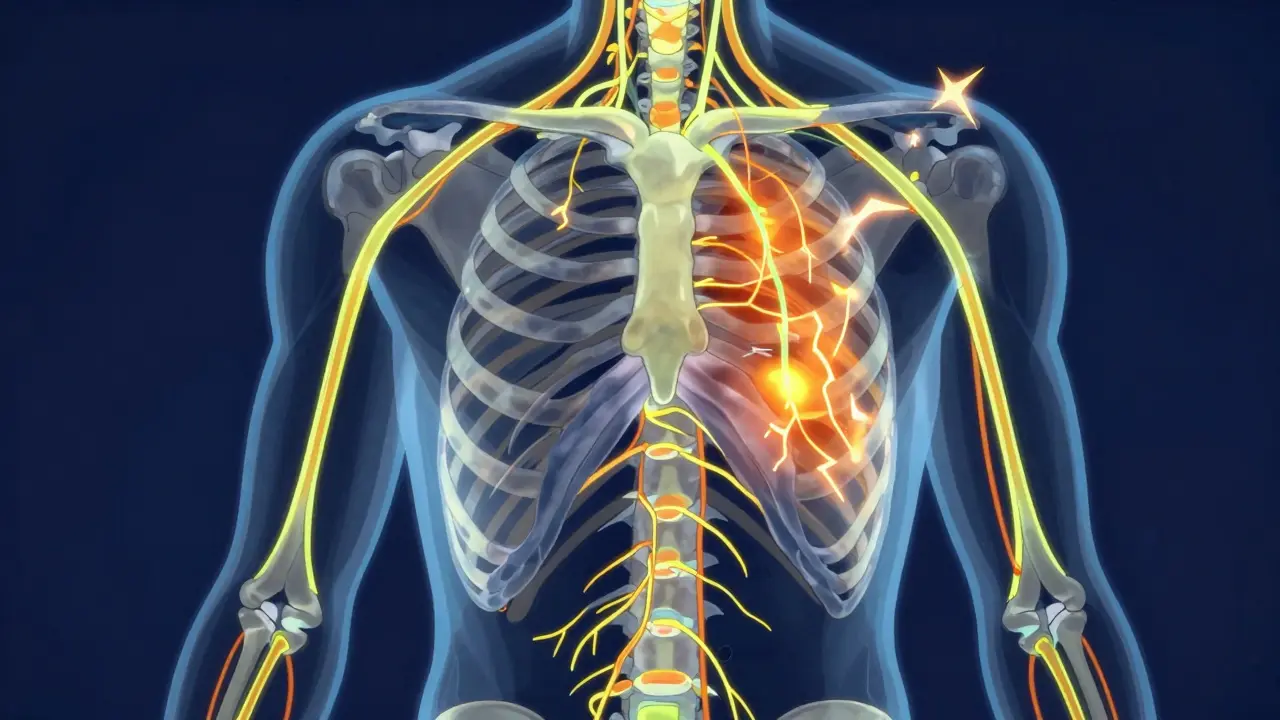
To understand why a pill causes a "hic," you have to look at the hiccup reflex arc. This is a biological circuit involving the vagus nerve and phrenic nerve, which control your diaphragm. When these nerves get irritated, the diaphragm spasms, and your vocal cords snap shut, creating that signature sound. Medications mess with this circuit in three main ways. First, some drugs directly irritate the phrenic nerve. Second, others change the balance of neurotransmitters in your brain, specifically affecting the medulla oblongata. Third, some medications cause gastric distension-essentially bloating your stomach-which puts pressure on the diaphragm. For example, opioids, such as morphine, often cause this gastric pressure, triggering hiccups in up to 20% of patients.The Main Culprits: Which Drugs Cause Hiccups?
Not all medications are created equal when it comes to side effects. Some are far more likely to trigger a spasm than others. The most significant offenders are corticosteroids. Dexamethasone is a notorious example; in some clinical trials, over 40% of patients using it alongside chemotherapy experienced hiccups. Even low doses, like 4mg daily, can be enough to start the cycle. Beyond steroids, several other classes of drugs are linked to this condition:- Benzodiazepines: Drugs like midazolam, often used during surgery, trigger hiccups in about 8-12% of patients.
- Opioids: Chronic pain patients using morphine report hiccups at a rate of 5-7%.
- Antibiotics: While rare (around 0.5-2%), medications like azithromycin and moxifloxacin have been documented as causes.
- Chemotherapy: Cisplatin is frequently associated with hiccups, often because it's administered with dexamethasone.
| Medication Class | Common Example | Estimated Incidence Rate | Primary Mechanism |
|---|---|---|---|
| Corticosteroids | Dexamethasone | Up to 41.2% | Steroid receptor activation |
| Benzodiazepines | Midazolam | 8-12% | CNS neurotransmitter shift |
| Opioids | Morphine | 5-7% | Gastric distension |
| Antibiotics | Moxifloxacin | 0.5-2% | Nerve irritation |
Knowing When to Worry: Transient vs. Intractable
Most hiccups go away on their own in a few minutes, but medication-induced ones can be stubborn. Doctors categorize them by how long they last. If your hiccups last less than 48 hours, they are "transient." About 65% of drug-induced cases fall into this category. However, if they cross the 48-hour mark, they become "persistent." If they last longer than a month, they are classified as "intractable." This is where the situation becomes serious. Intractable hiccups can lead to dehydration, significant weight loss because you can't eat, and severe sleep deprivation. In the U.S., about 1,000 cases of intractable hiccups are reported annually, with a small but significant portion caused by medications.Practical Remedies: How to Stop the Cycle
If you suspect your medication is causing the problem, the first step is to track the timing. Did the hiccups start within hours or days of a new prescription? This "temporal relationship" is key for your doctor to diagnose the cause. For those looking for immediate relief, some non-drug methods have surprising evidence behind them. A study in JAMA Internal Medicine found that swallowing a teaspoon of granulated sugar has a 72% success rate. The theory is that the crystals irritate the esophagus, "resetting" the vagus nerve. Other effective methods include gargling with ice water (65% success) and the classic breath-holding technique (58% success). When home remedies fail, doctors may move to pharmacological interventions. Baclofen, a muscle relaxant, is often used for steroid-induced hiccups, showing 60-70% efficacy. In more severe cases, chlorpromazine (the only FDA-approved drug specifically for hiccups) may be prescribed, though it comes with a heavier side-effect profile.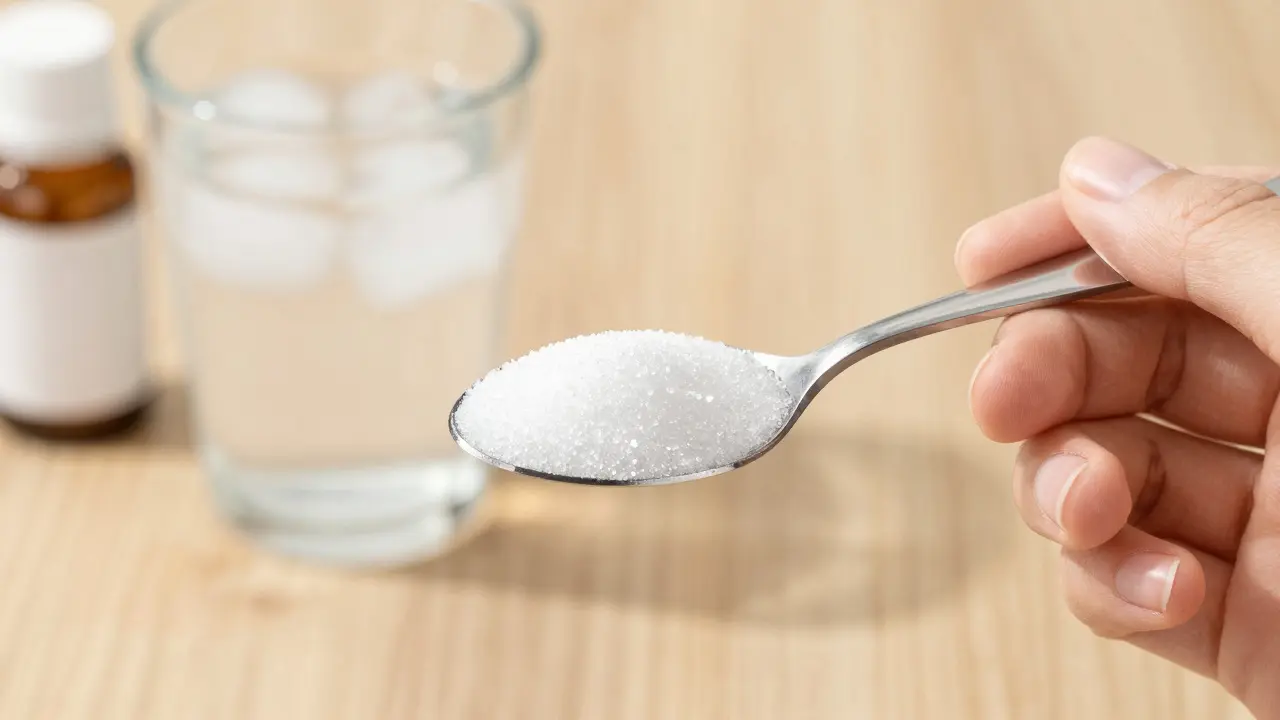
The Diagnostic Challenge and What to Do Next
One of the biggest frustrations for patients is that hiccups are rarely listed as a primary side effect on the medication insert. This leads to a "diagnostic gap" where about 35% of cases are misdiagnosed. Patients often undergo unnecessary imaging or tests because the doctor doesn't connect the hiccups to the drug. If you are in this position, be your own advocate. Mention every medication you're taking, including supplements. If you're a cancer patient who can't stop taking dexamethasone, ask your doctor about prophylactic (preventative) baclofen. Research shows that taking a small dose of baclofen can reduce the incidence of steroid-induced hiccups from 41% down to about 13%.Can I just stop taking my medication to stop the hiccups?
No. You should never stop a prescribed medication, especially corticosteroids or antidepressants, without consulting your doctor. Doing so can cause withdrawal symptoms or a relapse of the condition the drug is treating. Instead, ask your doctor about dose adjustment or an alternative medication.
Why does sugar help stop hiccups?
Swallowing granulated sugar creates a mild irritation in the back of the throat and esophagus. This sensory input can distract the vagus nerve and break the reflexive loop that causes the diaphragm to spasm.
Is it common for chemotherapy drugs to cause hiccups?
Yes, particularly when chemotherapy agents like cisplatin are paired with steroids like dexamethasone. The combination significantly increases the likelihood of persistent hiccups compared to using either drug alone.
When should I seek emergency medical help for hiccups?
Seek help if hiccups last more than 48 hours, if they prevent you from sleeping or eating, or if they are accompanied by severe abdominal pain, shortness of breath, or signs of a stroke (like numbness or slurred speech).
Are there any new treatments for intractable hiccups?
Yes, research is evolving. New GABA-B receptor agonists (like GBX-204) have shown high resolution rates in phase 3 trials, offering a potentially more effective alternative to older drugs like baclofen.
Next Steps and Troubleshooting
If you're currently struggling with medication-induced hiccups, here is a simple path forward:- Log your symptoms: Note exactly when the hiccups started and how they correlate with your medication schedule.
- Try the "Sugar Trick": Try a teaspoon of granulated sugar or ice water gargling for immediate, temporary relief.
- Consult your provider: Use a specific phrase like, "I suspect these hiccups are a side effect of [Drug Name]. Can we check the temporal relationship using the Naranjo scale?"
- Discuss Alternatives: If the drug is a steroid, ask if a different corticosteroid or a dose reduction is possible.
- Request Prophylaxis: If the medication is non-negotiable (e.g., for cancer treatment), ask about preventative muscle relaxants.