
Route of Administration Comparison Tool
Select a medication route below to analyze its characteristics, bioavailability, and typical side effects.
Oral
Tablets, Capsules, Liquids
Injectable
IV, IM, Subcutaneous
Topical/Transdermal
Creams, Gels, Patches
Route Analysis
Clinical Note:
Additional insight will appear here.
The Oral Route: Convenience and Its Trade-offs
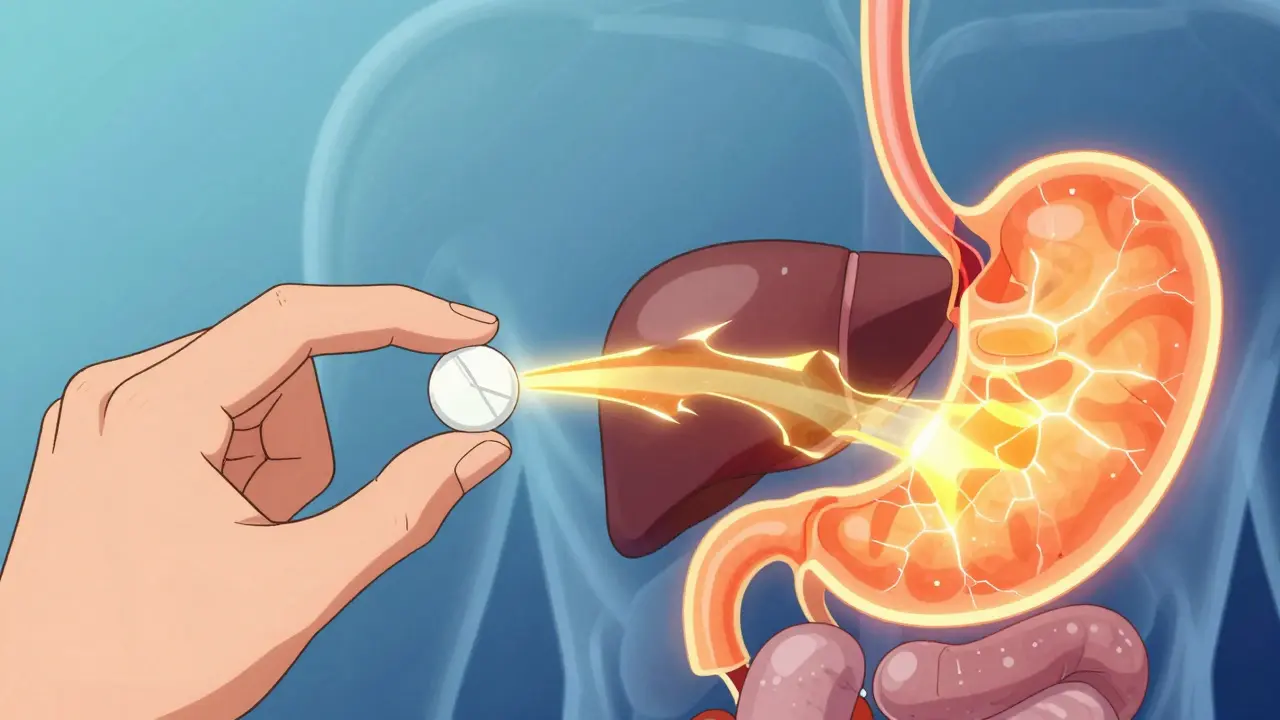
Most of us are used to swallowing a tablet or liquid. It's the most popular method, used in about 75% of all medication cases, mainly because it's easy and cheap. But the journey from your mouth to your bloodstream is a gauntlet. When you swallow a pill, it has to survive the harsh acid of your stomach and then pass through the liver. This process, called first-pass metabolism, is the process where the concentration of a drug is greatly reduced by the liver before it reaches systemic circulation.
Because of this, oral drugs often have variable bioavailability-meaning only a fraction of the dose actually works. For example, propranolol has about 25% bioavailability because the liver breaks down so much of it. To compensate, doctors often have to prescribe higher doses, which unfortunately increases the risk of dose-dependent side effects. The most common issues here are gastrointestinal. Around 25-30% of patients experience stomach upset with oral meds, and long-term use of certain NSAIDs can even lead to gastric ulcers in 1-2% of users.
Injectables: Speed and Precision
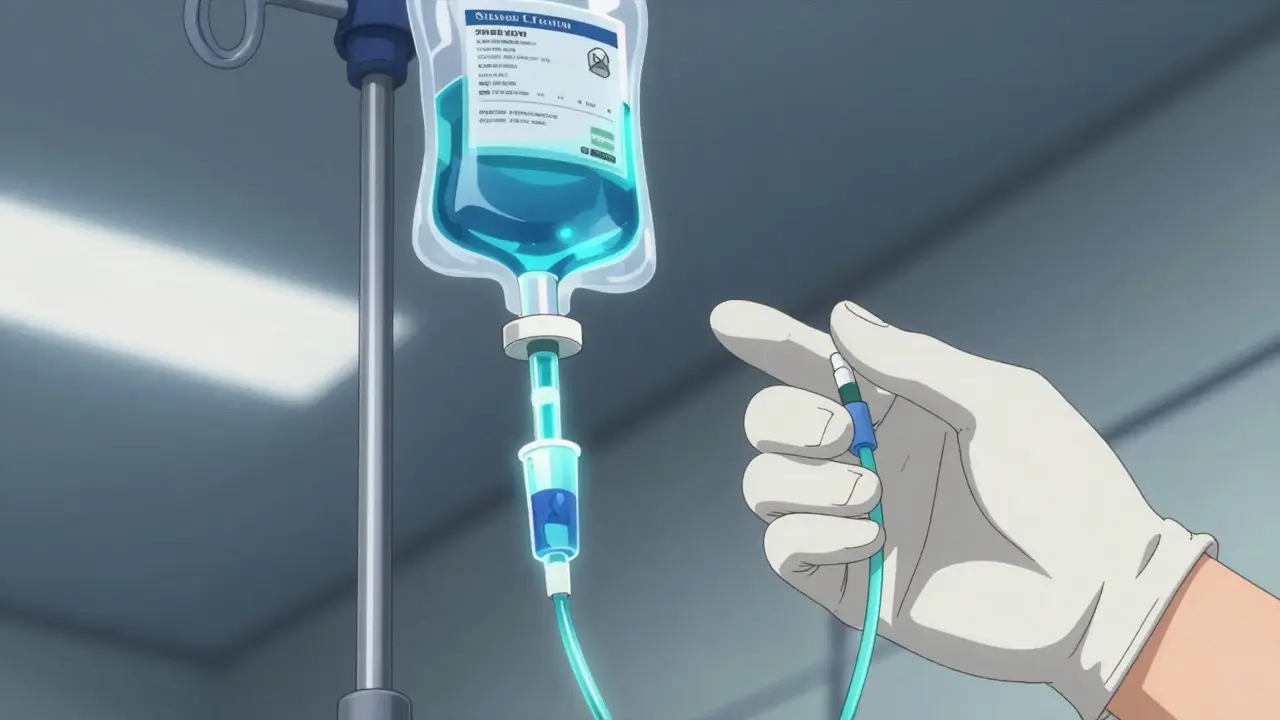
When a patient is in critical condition or needs a drug to work immediately, injectable administration is the gold standard. By bypassing the digestive system and the liver's first-pass metabolism, injectables deliver the drug directly into the tissue or blood. This results in much higher bioavailability; intravenous (IV) delivery hits 100% immediately, while intramuscular (IM) injections typically reach peak plasma levels in about 45-60 minutes.
While the speed is a huge win, the side effect profile shifts from the stomach to the injection site. You aren't dealing with nausea, but you might deal with local inflammation. About 15-20% of IM injections result in site reactions. For long-term users, like those taking insulin, there is a risk of lipohypertrophy-the development of fatty lumps under the skin. There's also the rare but serious risk of anaphylaxis, occurring in roughly 0.01-0.05% of administrations. Beyond the physical, there's the "needle phobia" factor, which affects nearly a quarter of the population, often making this the least preferred route for patients.
Topical and Transdermal: Targeted Action
If you only have a rash on your arm, you don't want a drug that affects your entire body. That's where topical administration comes in. These are medications applied directly to a surface-like a cream or ointment-to achieve a localized effect. Because the drug stays mostly where you put it, systemic side effects are rare, usually affecting less than 5% of users. In fact, using a topical corticosteroid can reduce the risk of HPA axis suppression by 92% compared to taking the same drug orally.
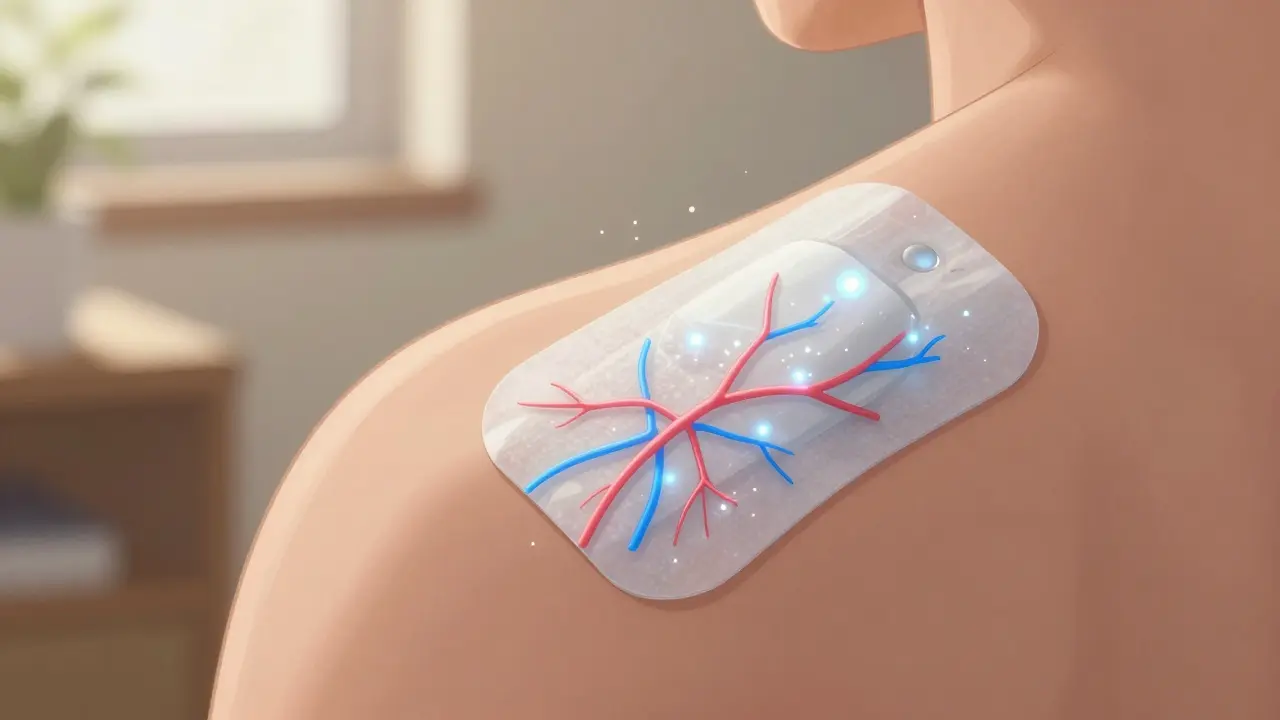
It is important to distinguish between "topical" and "transdermal." While topical stays local, transdermal delivery, like a nicotine patch, is designed to seep through the skin into the bloodstream for a systemic effect. These patches provide a steady stream of medication, avoiding the "peaks and valleys" of oral dosing. The trade-off? Skin irritation at the application site is common, and the skin's own permeability limits what can be delivered-usually, the molecules must be smaller than 500 Daltons to get through effectively.
| Attribute | Oral | Injectable (IV/IM) | Topical/Transdermal |
|---|---|---|---|
| Bioavailability | Low to Moderate (5-100%) | High (70-100%) | Variable (Localized or 60-80%) |
| Onset Speed | Slow (30-90 mins) | Fast (2-60 mins) | Slow/Steady |
| Primary Side Effects | GI Distress, Nausea | Site Reactions, Phobia | Skin Irritation |
| Patient Preference | Very High (92%) | Low | High (for local issues) |
| Cost | Lowest | Highest | Moderate |
Why the Choice Matters for Your Recovery
The choice of route isn't just about the drug's chemistry; it's about the patient's life. For someone with chronic pain, a transdermal patch might mean the difference between a stable day and a roller-coaster of pain and sedation. For a diabetic, the move toward auto-injectors with depth monitoring has reduced site complications by 28%, making a daily chore less painful.
However, the convenience of oral meds has a dark side. Because they are so easy to take, we see a rise in improper self-medication. About 25% of antibiotic courses are taken incorrectly when self-administered, which fuels antimicrobial resistance. On the flip side, the high cost of injectable biologics-sometimes thousands of dollars per dose-creates a massive barrier to adherence. When a pill costs $75 and the equivalent injection costs $450 out-of-pocket, patients often skip doses, which can lead to treatment failure.
Looking Ahead: The Future of Drug Delivery
We are moving toward a world where the "needle vs. pill" debate might fade. New tech is bridging the gap. For instance, ultrasound-enhanced patches can now deliver large molecules-biologics that previously required a needle-through the skin with a 600% increase in efficiency. Similarly, "liquid-in-capsule" technology is making poorly soluble oral drugs 30-50% more effective, potentially reducing the need for high, side-effect-heavy doses.
Experts predict that by 2030, a quarter of current injectable biologics will shift to advanced topical or oral forms. This would not only cut systemic side effects by up to 60% but also boost patient adherence from 50% to 75%. While some critical medicines still require a needle due to molecular size or stability, the trend is clear: we want the precision of an injection with the ease of a cream or a pill.
Why are some medicines only available as injections?
Some drugs are too large (high molecular weight) to pass through the intestinal wall or skin barrier. Others are destroyed by stomach acid or broken down too quickly by the liver's first-pass metabolism, meaning they would never reach the bloodstream in a usable amount if swallowed.
Can I switch from an oral medication to a topical one?
Not always. While some drugs come in both forms, they have different goals. A topical drug is usually for local treatment (like a skin rash), while an oral drug treats the whole system. Switching requires a doctor's approval to ensure the dose and delivery method match the medical need.
What is "first-pass metabolism"?
This is the process where blood from the GI tract passes through the liver before reaching the rest of the body. The liver often metabolizes (breaks down) a significant portion of the drug, which reduces the amount of active medicine that actually reaches your organs.
Do topical creams cause systemic side effects?
Generally, no. Most topical treatments are designed for localized action and cause systemic side effects in less than 5% of cases. However, if applied to broken skin or used over very large areas for long periods, some systemic absorption can occur.
Why do some people prefer patches over pills?
Patches (transdermal delivery) provide a steady, controlled release of medication. This prevents the "peak and valley" effect where you feel the drug's strongest effect shortly after taking a pill, followed by a drop-off before the next dose.