
Adverse Drug Reaction: What It Is, Why It Happens, and How to Stay Safe
When you take a medication, you expect it to help — not hurt. But adverse drug reaction, an unintended and harmful response to a medicine at normal doses. Also known as drug side effect, it’s one of the leading causes of hospital visits and preventable harm in modern medicine. This isn’t rare. One in five people on multiple medications will experience at least one serious reaction. And most of them don’t come from new or experimental drugs — they come from common prescriptions you’ve been taking for months.
These reactions aren’t just about nausea or dizziness. They can be deadly. Grapefruit can spike blood levels of immunosuppressants like cyclosporine, leading to kidney failure. Antibiotics can send warfarin’s INR through the roof, causing internal bleeding. Even a simple change from brand to generic — usually safe — can trigger problems in people on thyroid meds or seizure drugs. drug interactions, when two or more medications, foods, or supplements change how a drug works in your body are behind half of all serious reactions. And medication safety, the practice of preventing harm from drugs through awareness, monitoring, and communication isn’t just for doctors — it’s your job too.
Why do these reactions happen? Sometimes it’s your genetics. Other times, it’s your age, your kidney function, or what you ate for breakfast. A metallic taste from a pill? That’s a real, documented reaction — not in your head. Diarrhea after starting a new antibiotic? That’s not just bad luck — it’s a sign your gut microbiome got knocked off balance. And if you’ve ever skipped a dose because the side effects felt worse than the condition, you’re not alone. pharmacovigilance, the science of detecting, assessing, and preventing adverse effects of medicines exists because people like you have been hurt — and because you deserve to know what to watch for.
What you’ll find below isn’t theory. It’s real stories from real patients who learned the hard way — and what they did to stay safe. You’ll see how grapefruit ruins immunosuppressants, why antibiotics can turn warfarin into a ticking time bomb, and how switching to generics might save you money — or cost you your health. You’ll learn how to spot early warning signs, what questions to ask your pharmacist, and how to build a medication list that actually saves lives. This isn’t about fear. It’s about control. You’re not powerless against adverse drug reactions. You just need to know what to look for — and what to do next.
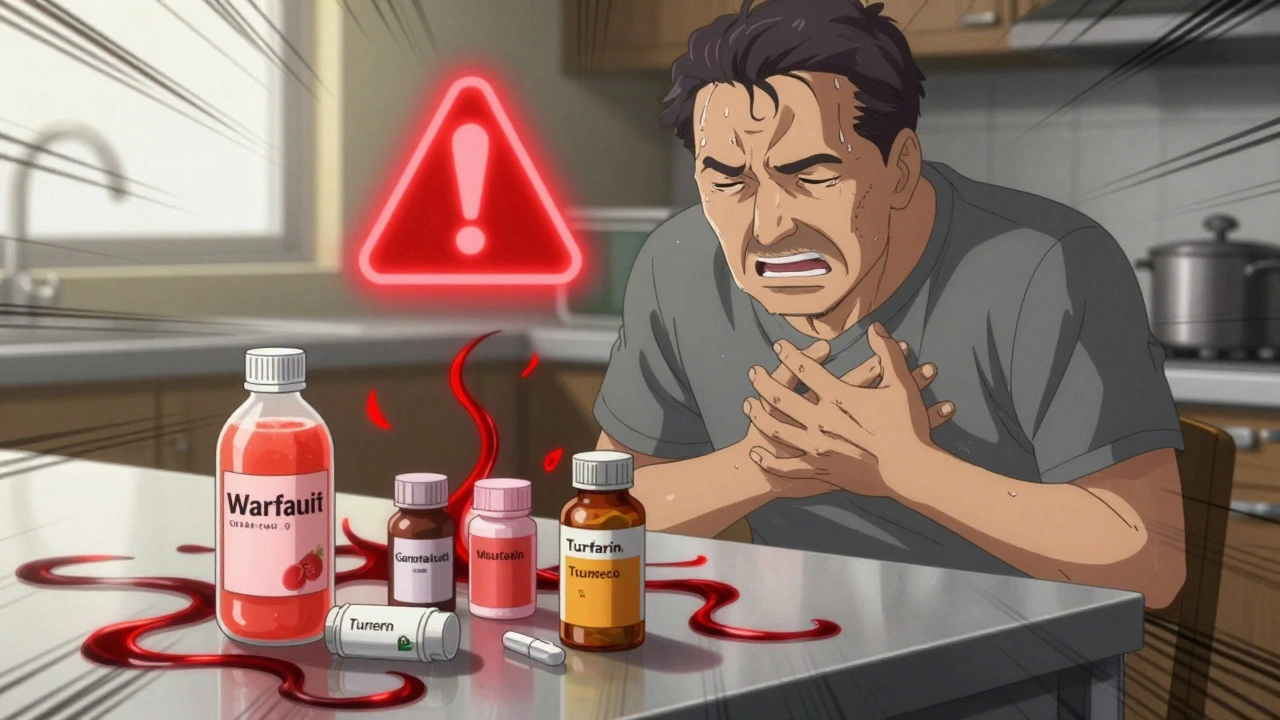
When to Seek Medical Help for a Suspected Drug Interaction
Learn when to seek emergency help for drug interactions, including signs of serotonin syndrome, liver damage, and allergic reactions. Know what symptoms require immediate action and how to prevent serious reactions.
More Detail