
ANDA Labeling Requirements: What You Need to Know About Generic Drug Labels
When you pick up a generic pill, the label on the bottle isn’t just a suggestion—it’s a legally enforced document governed by the ANDA labeling requirements, the set of rules the U.S. Food and Drug Administration (FDA) uses to ensure generic drugs have the same safety, strength, and labeling as their brand-name counterparts. Also known as Abbreviated New Drug Application labeling, these rules are the backbone of how generic medications are approved, distributed, and used safely across the country. If the label doesn’t match the brand drug’s in content, format, or clarity, the FDA won’t approve it. That’s not bureaucracy—it’s patient protection.
These requirements cover everything from the drug’s active ingredients and dosage instructions to warnings about side effects, storage conditions, and contraindications. The FDA doesn’t allow generic manufacturers to simplify, reword, or leave out critical safety info just because the drug is cheaper. For example, if the brand-name version warns about interactions with grapefruit juice, the generic must say the same thing—in the same place, with the same emphasis. This isn’t about copying for the sake of copying; it’s about ensuring that no matter which version you take, you’re getting the same clear, accurate guidance. The FDA ANDA, the application process through which generic drugs gain approval. Also known as Abbreviated New Drug Application, it is the formal pathway for bringing generics to market demands that every piece of labeling be scientifically justified and clinically relevant. This includes the Patient Package Insert, the Medication Guide, and even the carton and bottle labels. Missing or misleading info can delay approval or trigger recalls.
These rules directly affect real people. Think about someone managing multiple medications—like a patient on rasagiline for Parkinson’s and a statin for cholesterol. If their generic label doesn’t clearly warn about possible interactions, they could end up with dangerous side effects. That’s why the drug labeling rules, the standardized framework that governs how pharmaceutical information is presented to patients and providers. Also known as prescription drug labeling, it ensures consistency across all approved medications are so strict. The same goes for people who rely on accurate dosing instructions for drugs like tolvaptan or montelukast. A poorly worded label could mean taking too much or too little, especially for older adults or those with low health literacy.
What you’ll find in the posts below are real-world examples of how these labeling standards connect to everyday medication use. From tracking lot numbers during recalls to comparing generic alternatives like Azilect or Natrise, every article ties back to one truth: knowing what’s on the label can save your health. Whether you’re a patient, caregiver, or just someone trying to make sense of your prescriptions, understanding ANDA labeling isn’t just technical—it’s personal. Below, you’ll see how these rules play out in actual drug safety, patient education, and daily treatment decisions.
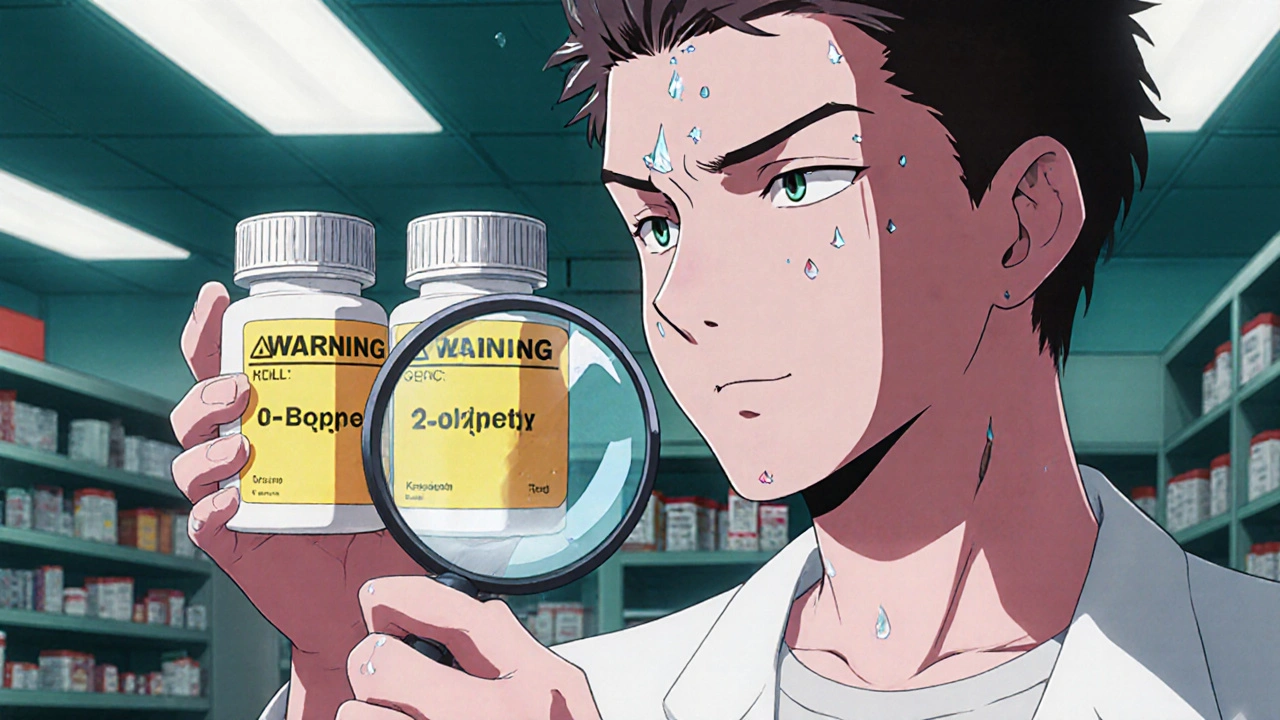
Generic Drug Labeling Requirements: What the FDA Mandates
The FDA requires generic drug labels to match brand-name labels exactly, with only minor exceptions. This ensures safety and consistency-but delays in updates can leave patients at risk. Here’s what the rules really mean.
More Detail