
Drug Pricing: What You Really Pay and Why It Matters
When you pick up a prescription, drug pricing, the cost assigned to a medication by manufacturers, insurers, and pharmacies. Also known as medication cost, it’s not just a number—it’s a barrier for millions who skip doses because they can’t afford it. The price you see at the pharmacy isn’t random. It’s shaped by patents, marketing, insurance deals, and whether the drug is brand-name or generic. For most people, the difference between a brand and its generic version can mean hundreds, even thousands, of dollars a year. That’s not a small detail—it’s life-changing.
Generic drugs, medications that contain the same active ingredient as brand-name versions but are sold after the patent expires. Also known as generic medication, they’re held to the same FDA standards for safety and effectiveness. Yet many still believe generics are weaker or less reliable. That’s not true for most drugs. Studies show generics work just as well for conditions like high blood pressure, depression, and diabetes. The real difference? Price. A generic statin might cost $4 a month instead of $150. That’s why switching to generics is one of the smartest moves you can make for your wallet—and your health.
But not all generics are created equal. Authorized generics, exact copies of brand-name drugs made by the original manufacturer and sold under a different label. Also known as FDA authorized generic, they’re identical in every way to the brand, down to the inactive ingredients. You won’t find them on every pharmacy shelf, but they’re worth asking for. They’re often cheaper than the brand and just as consistent as the original. Then there’s the issue of specialty drugs—expensive treatments for conditions like MS, cancer, or rare diseases. These can cost over $10,000 a month. That’s where medication costs, the total out-of-pocket and insurance-covered expenses for a drug over time. Also known as drug cost, they include copays, deductibles, and even travel to specialty pharmacies become overwhelming. Patients on these drugs need help navigating patient assistance programs, coupons, and manufacturer rebates. It’s not just about the sticker price—it’s about what you actually pay after all the layers.
Brand-name companies don’t lower prices just because generics exist. They extend patents, tweak formulas slightly, or bundle drugs together to keep you paying more. That’s why knowing your options matters. If you’re on a thyroid med, blood thinner, or seizure drug, your doctor might recommend sticking with the brand—but only if there’s real clinical reason. For most people, switching to a generic or authorized generic is safe, legal, and smart. And if your insurance won’t cover it, ask your pharmacist about alternatives. You’d be surprised how often they can find a cheaper version you didn’t know existed.
Drug pricing isn’t just a policy issue—it’s personal. It’s the person skipping doses because they can’t afford their insulin. It’s the senior choosing between food and their heart medication. It’s the parent wondering if they can keep their child on their asthma inhaler. The posts below cover exactly what you need to know: how to spot a real generic, when to question a price hike, how authorized generics work, and what to do when your insurance denies coverage. You’ll find real stories, clear comparisons, and practical steps to lower your costs without risking your health. No fluff. No jargon. Just what works.
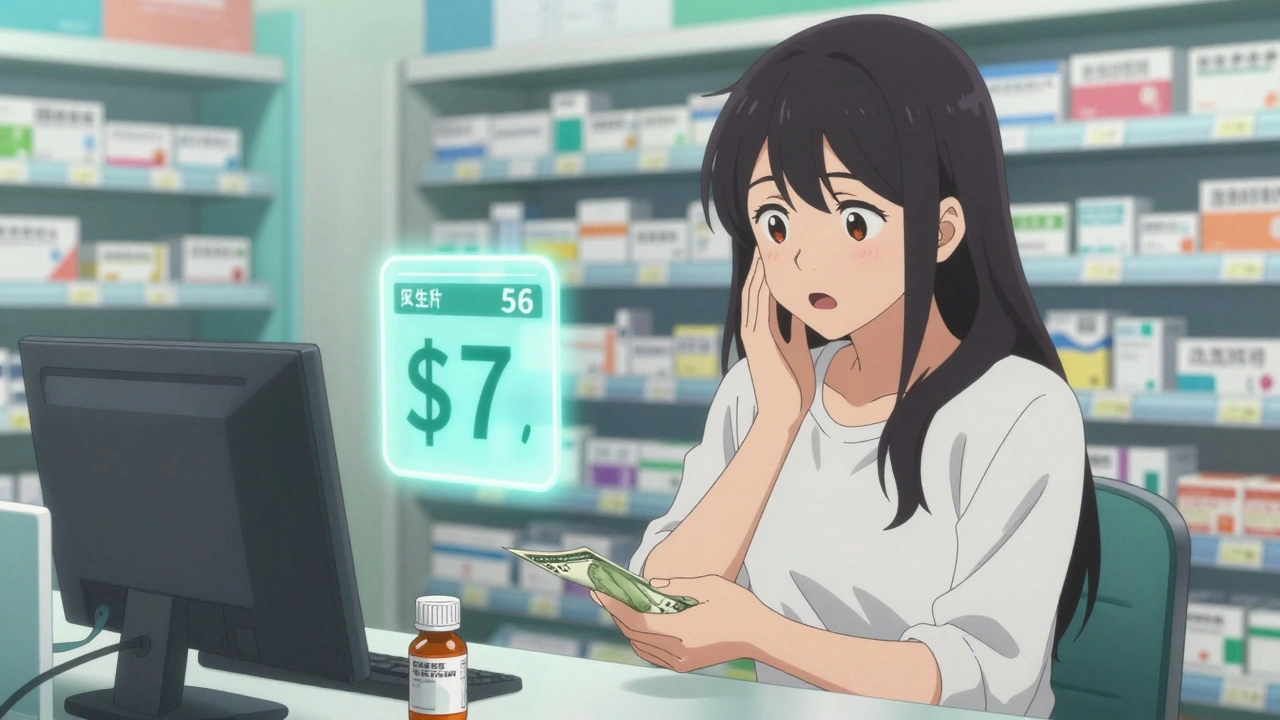
Out-of-Pocket Costs: How Generics Slash Drug Bills and Why You’re Still Overpaying
Generics cut U.S. drug costs by 90% but many still overpay due to opaque pricing. Learn how to find true generic prices and avoid pharmacy markups that leave you paying 10x more than necessary.
More Detail