
Generic Drug Compliance: Why Taking Medications Right Matters
When you take a generic drug, a medication that contains the same active ingredient as a brand-name drug but costs less. Also known as off-patent drugs, they're just as effective—when you actually take them as prescribed. The problem isn’t that they don’t work. It’s that too many people stop taking them. Maybe it’s because the bottle looks different. Maybe you feel fine and think you don’t need it anymore. Or maybe you just forget. But skipping doses, cutting pills in half without asking, or quitting cold turkey? That’s not saving money. That’s risking your health.
Medication adherence, the habit of taking your drugs exactly as your doctor ordered is the quiet hero behind every successful treatment. Whether you’re on metformin for diabetes, lisinopril for high blood pressure, or fluoxetine for depression, your body needs consistent levels of the drug to work. Missing even one dose a week can undo months of progress. And with generic drugs, the stakes are higher—because you’re often taking them long-term, and the savings mean nothing if you end up in the hospital.
It’s not about willpower. It’s about systems. People who stick with their meds use pill organizers, set phone alarms, link taking pills to daily routines like brushing teeth, or ask a family member to check in. Some even track their doses in a simple notebook. The medication list, a written record of every drug you take, including dosages and reasons isn’t just for doctor visits—it’s your personal safety net. You’d be surprised how often people forget what they’re on, especially when switching between brands and generics.
And it’s not just about forgetting. Side effects scare people off. Dry mouth from rasagiline. Upset stomach from metformin. Dizziness from blood pressure pills. Instead of stopping, talk to your doctor. There’s almost always a way to adjust—switching timing, lowering dose, or adding something to ease the side effect. You don’t have to suffer in silence. But you also can’t fix it if you don’t tell anyone.
What you’ll find below isn’t a list of drug reviews. It’s a collection of real, practical stories and guides from people who’ve been there. From how to track lot numbers during recalls, to managing side effects like dry mouth from Parkinson’s meds, to building a medication list that actually keeps you safe—these aren’t theoretical tips. They’re the tools people use every day to stay on track. Whether you’re taking a generic version of Zyrtec, Prozac, or Prilosec, the same rules apply. Compliance isn’t glamorous. But it’s the one thing that turns a good drug into a life-changing one.
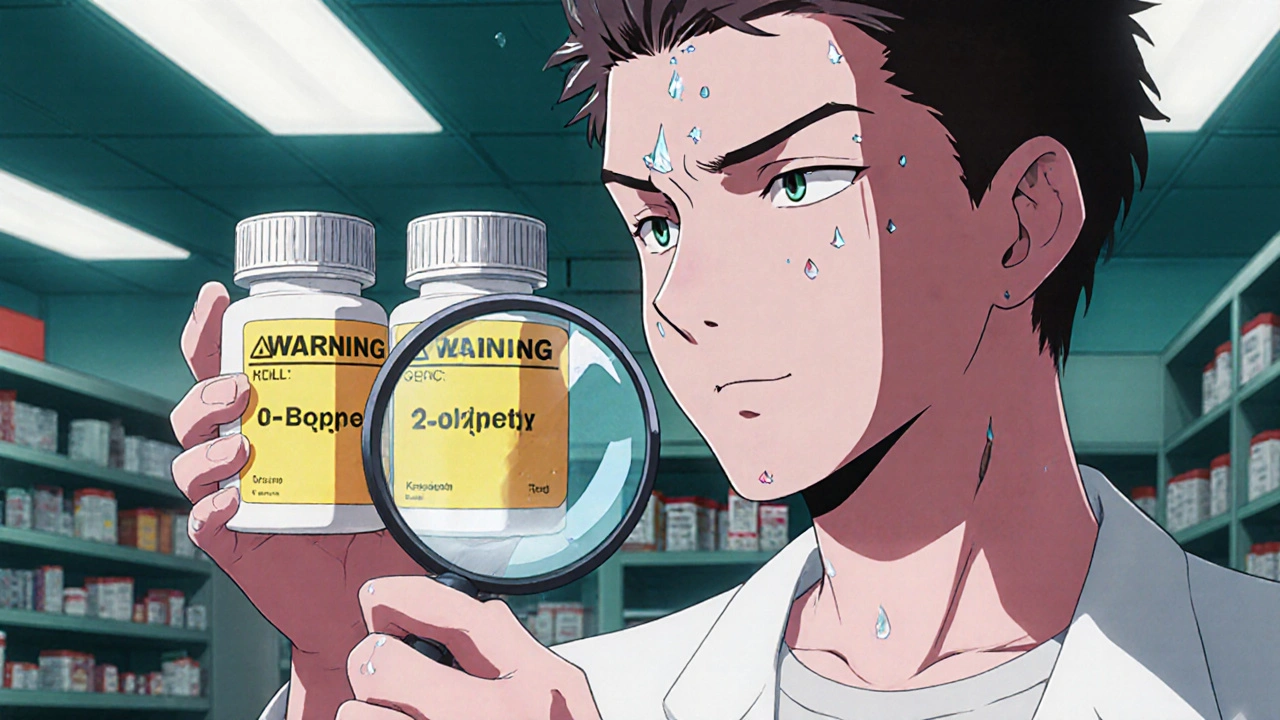
Generic Drug Labeling Requirements: What the FDA Mandates
The FDA requires generic drug labels to match brand-name labels exactly, with only minor exceptions. This ensures safety and consistency-but delays in updates can leave patients at risk. Here’s what the rules really mean.
More Detail