
Medication Costs: How Generics, Insurance, and Drug Interactions Affect Your Bill
When you pick up a prescription, medication costs, the total amount you pay for prescription drugs out of your own pocket, including copays, deductibles, and uncovered expenses. Also known as out-of-pocket drug expenses, it’s not just about the price on the label—it’s about what your insurance hides, what pharmacies mark up, and whether you’re even getting the right version of the drug. Most people assume brand-name drugs are better. They’re not. Generic drugs cut costs by up to 85% and work just as well for nearly all conditions. Yet many still pay 10 times more than they need to because they don’t know how to ask for the cheaper version or how to spot an authorized generic that’s identical to the brand.
Behind every high bill is a chain of hidden factors. generic drugs, FDA-approved versions of brand-name medications that contain the same active ingredients, dosage, and effectiveness. Also known as non-brand prescriptions, they’re the single biggest tool to lower medication costs. But even generics aren’t always cheap. Pharmacies sometimes charge more for generics than the wholesale price—especially if you’re paying cash or your insurance doesn’t cover them well. Then there’s drug pricing, the complex system of manufacturer list prices, rebates, pharmacy benefit manager negotiations, and insurer contracts that rarely reflect what you actually pay. A drug might list for $500, but after rebates, your insurer pays $100—and you still pay $75 because your plan has a high deductible. Meanwhile, another pharmacy down the street sells the same generic for $12.
And it gets worse when drug interactions, when two or more medications react in ways that change their effects, increase side effects, or cause dangerous health risks. Also known as medication conflicts, they can force you to switch drugs, pay for more expensive alternatives, or end up in the ER. Grapefruit can spike your immunosuppressant levels. Antibiotics can make warfarin dangerously thin your blood. These aren’t rare mistakes—they happen every day. And when they do, your medication costs don’t just go up—they spiral. You need new prescriptions, lab tests, doctor visits. All because you didn’t know to ask about interactions before starting a new pill.
You’re not alone in overpaying. Millions of people are paying more because they don’t know how to check their pharmacy’s cash price, how to request an authorized generic, or how to spot when their insurance is pushing a more expensive drug for no good reason. The system is designed to confuse you. But you don’t need to be confused. You just need to know where to look.
Below, you’ll find real stories and clear guides on how to cut your medication costs without sacrificing safety or effectiveness. From switching to generics that save hundreds a year, to understanding why your insurance won’t cover a cheaper option, to avoiding costly drug interactions that could land you in the hospital—we’ve got the practical steps you need. No fluff. No jargon. Just what works.
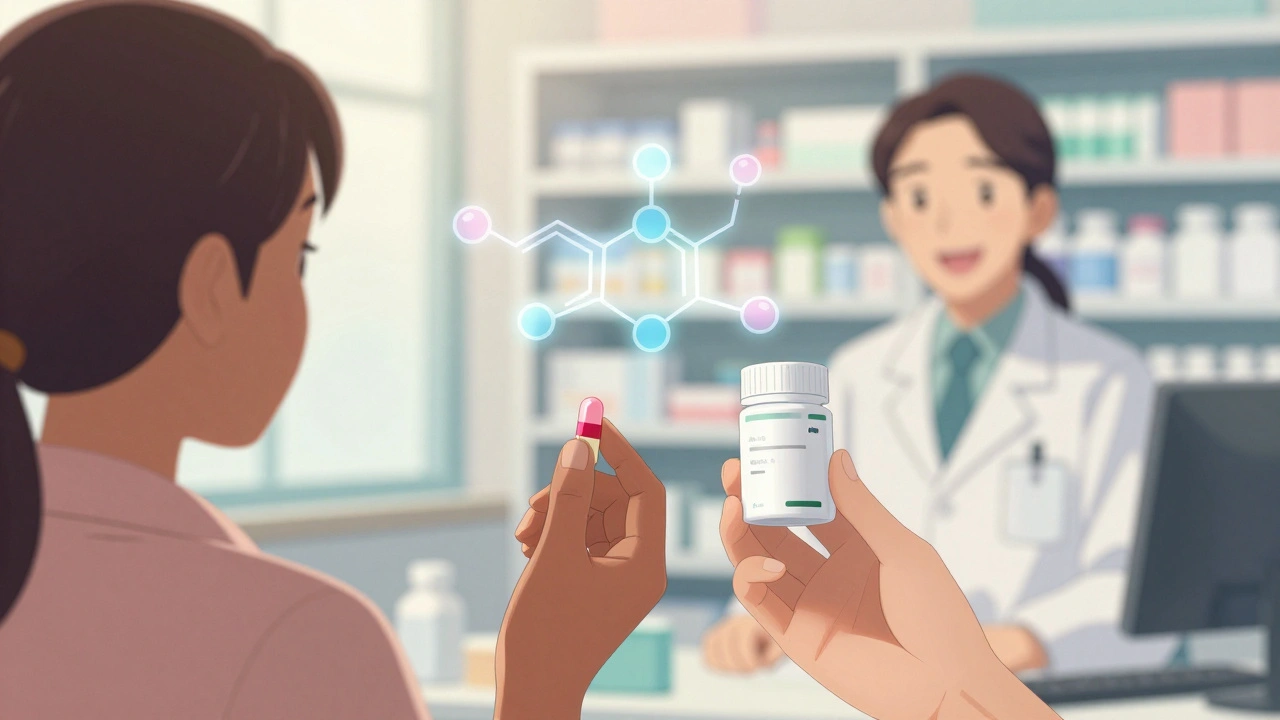
Switching from Brand to Generic Drugs: What to Expect in 2025
Switching from brand to generic drugs saves money and is usually safe, but some people need to be cautious - especially those on thyroid, blood thinner, or seizure meds. Know what to expect and when to speak up.
More Detail