
Out-of-Pocket Costs: What You Really Pay for Medications and Why It Matters
When you pick up a prescription, the price on the receipt isn’t the whole story. Out-of-pocket costs, the amount you pay directly for healthcare services before insurance covers the rest. Also known as patient responsibility, these costs include copays, coinsurance, and expenses that fall outside your plan’s coverage—like drugs your insurer won’t touch or brand-name meds when a cheaper generic exists. For many, this isn’t just a number—it’s a daily decision between buying meds, food, or rent.
These costs don’t happen in a vacuum. They’re tied directly to how drugs are priced, how insurance plans are structured, and whether you’re taking a brand-name drug or a generic drug, a medication that’s chemically identical to its brand-name version but costs up to 85% less. A switch from brand to generic—like going from Lipitor to atorvastatin—can slash your monthly bill from $300 to $15. But not all generics are created equal. Authorized generics, the exact same drug made by the brand company under a different label. These often cost even less than standard generics and work identically, yet most people don’t know they exist. And when you’re on a specialty drug like Tolvaptan for kidney disease or a GLP-1 for weight loss, those out-of-pocket costs can hit $1,000 a month—even with insurance.
It’s not just about the drug itself. Insurance coverage, the part of your plan that determines how much you pay before the insurer steps in. Many plans have high deductibles, meaning you pay 100% until you hit a threshold. Others have tiered formularies that push you toward cheaper options—or punish you for choosing the one your doctor prescribed. That’s why switching from brand to generic isn’t just a money move—it’s a survival tactic. People on blood thinners, thyroid meds, or seizure drugs need to be careful, but for most, generics are just as safe and effective. The real problem? Pharmacists don’t always tell you about the cheaper version unless you ask. And if you’re juggling multiple prescriptions, those small costs add up fast: $20 here, $45 there, $120 for a new refill you didn’t budget for.
What you’ll find in these posts isn’t theory. It’s real stories from people who’ve been there: the woman who saved $900 a year by switching to an authorized generic, the man who nearly skipped his diabetes meds because of the cost, the patient who didn’t know grapefruit could make their immunosuppressant toxic—and how that changed their bill. You’ll learn how to spot hidden costs, what to say to your pharmacist, how to challenge a denial, and when to ask for a therapeutic alternative. This isn’t about avoiding meds. It’s about making sure you can actually afford to take them.
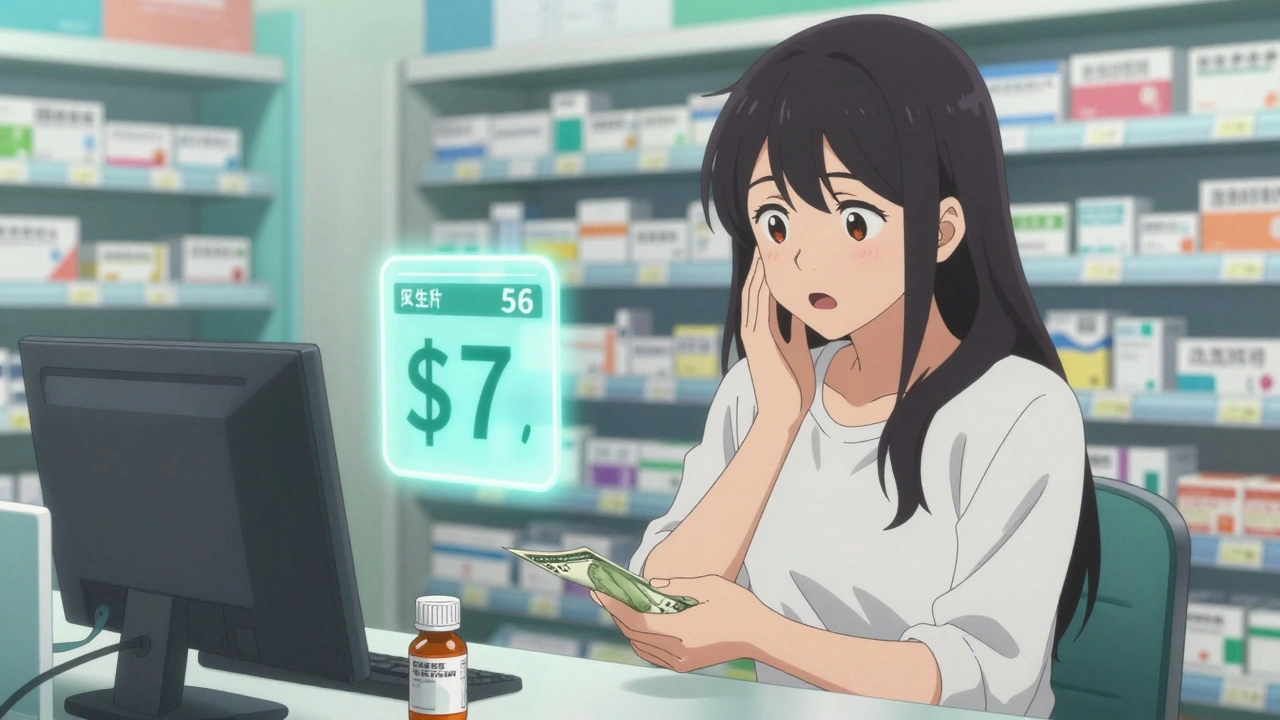
Out-of-Pocket Costs: How Generics Slash Drug Bills and Why You’re Still Overpaying
Generics cut U.S. drug costs by 90% but many still overpay due to opaque pricing. Learn how to find true generic prices and avoid pharmacy markups that leave you paying 10x more than necessary.
More Detail