
Taste Changes: Why Your Food Tastes Different and What Medications Might Be Behind It
When your favorite foods start tasting like metal, cardboard, or nothing at all, it’s not in your head—it’s likely a taste changes, a common side effect caused by medications, chronic illness, or nerve damage. Also known as dysgeusia, it’s not just about flavor—it’s your brain misreading signals from your taste buds, often because something you’re taking is interfering with how they work. This isn’t rare. Up to one in three people on long-term meds report altered taste, and it’s one of the top reasons people stop taking their prescriptions—even when they know it’s critical.
Taste changes don’t happen in isolation. They often come with dry mouth, a condition where saliva production drops, making food stick, taste flat, or feel unpleasant, which is linked to over 400 medications, including antidepressants, blood pressure drugs, and antihistamines. They also tie into medication side effects, the unintended consequences of drugs that disrupt nerve pathways or alter saliva chemistry. For example, antibiotics like metronidazole can leave a bitter aftertaste for days, while chemotherapy and some cancer drugs can damage taste buds directly. Even common NSAIDs like naproxen or ibuprofen can trigger this, especially in older adults or those with kidney issues.
And it’s not just about what you’re taking—it’s what you’re not eating. Grapefruit, for instance, doesn’t just mess with immunosuppressants—it can also change how your body processes flavor compounds, making citrus taste metallic. Warfarin interactions with antibiotics? Those can spike INR levels and indirectly affect your sense of taste through bleeding or inflammation in the mouth. If you’ve noticed taste changes after switching from brand to generic drugs, it’s not just placebo—labeling differences don’t cause it, but fillers or coatings in generics can trigger reactions in sensitive people.
What’s frustrating is that doctors rarely ask about taste. They check blood pressure, liver enzymes, kidney function—but not whether your coffee tastes like ash. Yet taste changes affect nutrition, mental health, and adherence. If you’re avoiding meals because food tastes bad, you’re risking malnutrition. If you’re skipping meds because they make everything taste like dirt, you’re risking worse outcomes.
Below, you’ll find real stories and science-backed fixes from people who’ve been there. We cover how drugs like rasagiline cause dry mouth and wreck dental health, how chemotherapy alters chemosensory signals, why some diabetes meds make sweets taste bitter, and what you can do to get your taste back—without quitting your prescriptions. These aren’t theories. These are the exact issues discussed in posts about drug interactions, side effects, and medication adherence. If you’ve noticed your food tasting off lately, you’re not alone. And there’s a way forward.
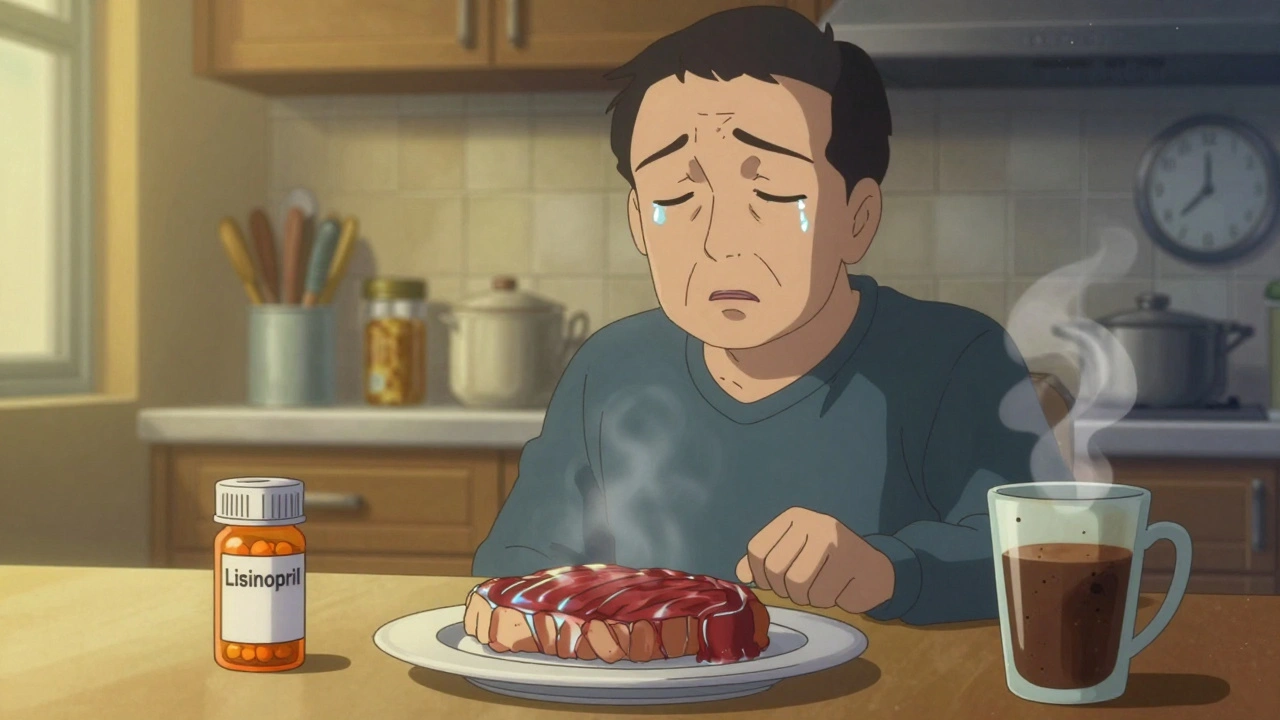
Taste Changes and Metallic Taste from Medications: Proven Coping Strategies
Metallic taste from medications is a common but often ignored side effect. Learn why it happens, which drugs cause it, and proven ways to cope - from zinc supplements to dietary tweaks - without stopping your treatment.
More Detail