
Tryptophan Safety: What You Need to Know Before Taking It
When you hear tryptophan, an essential amino acid your body uses to make serotonin and melatonin. Also known as L-tryptophan, it’s found in turkey, eggs, and supplements—and it’s often marketed as a natural fix for sleep or mood. But safety isn’t just about how much you take—it’s about what else you’re taking, and what’s happening inside your body.
One of the biggest risks with tryptophan, an amino acid that boosts serotonin production is its interaction with antidepressants. If you’re on an SSRI, SNRI, or MAOI, adding tryptophan can push serotonin levels too high, leading to serotonin syndrome, a dangerous condition marked by confusion, rapid heart rate, muscle rigidity, and fever. This isn’t theoretical—cases have been documented in people who took tryptophan with Zoloft or Prozac, even at low doses. The FDA pulled high-dose tryptophan supplements off the market in the 1990s after a contaminated batch caused eosinophilia-myalgia syndrome, and while today’s products are cleaner, the drug interaction risk hasn’t gone away.
Even if you’re not on meds, tryptophan isn’t harmless. People with liver or kidney disease may not process it well. Those with a history of depression or bipolar disorder should be cautious—tryptophan can trigger mania in some. And while it’s natural to think "if a little helps, more must be better," that’s not true here. Doses over 5 grams daily have been linked to nausea, dizziness, and heart palpitations. You don’t need a supplement to get tryptophan—food sources like chicken, cheese, and nuts give you enough without the risk. Supplements are only useful if you have a diagnosed deficiency, and even then, they should be monitored by a doctor.
There’s no magic number for "safe" tryptophan because safety depends on your meds, your health, and your genetics. If you’re thinking about trying it, check your current prescriptions first. Look at your list of meds—especially anything for depression, anxiety, or sleep. If you see any that affect serotonin, don’t add tryptophan without talking to your provider. And if you’ve ever had a bad reaction to a supplement before, assume tryptophan could be risky too.
What you’ll find below are real stories and facts from people who’ve dealt with tryptophan side effects, drug interactions, and unexpected outcomes. No fluff. No marketing. Just what actually happens when people take it—and what to watch out for before you do.
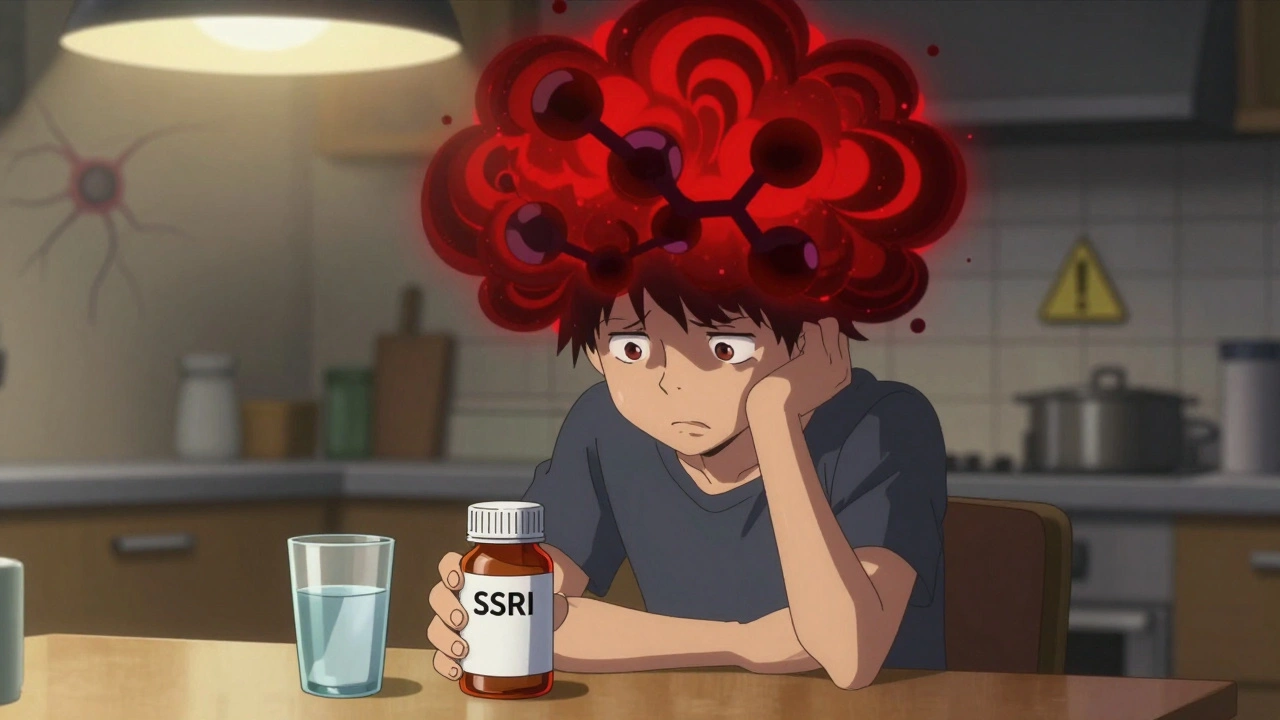
L-Tryptophan and Antidepressants: What You Need to Know About Serotonin Risks and Interactions
Combining L-tryptophan with antidepressants can trigger serotonin syndrome-a potentially fatal condition. Learn the real risks, who should avoid it, and safer alternatives for mood support.
More Detail