
TSH Targets Before Conception: What You Need to Know
When planning a pregnancy, your TSH, thyroid-stimulating hormone, a key indicator of thyroid function. Also known as thyroid-stimulating hormone, it tells your thyroid how much hormone to produce — and getting it right before conception matters more than you think. Many women don’t realize that even mild thyroid imbalance can affect fertility, increase miscarriage risk, or impact early brain development in the baby. The American Thyroid Association recommends keeping TSH below 2.5 mIU/L before pregnancy, especially if you have a history of thyroid issues or autoimmune disease like Hashimoto’s.
Why not just aim for the normal lab range of 0.4 to 4.0? Because pregnancy changes how your body uses thyroid hormone. Your baby relies on your thyroid in the first trimester, before its own gland kicks in. If your TSH is too high, even just a little, your body may not be making enough T4 — the hormone that crosses the placenta. Studies show women with TSH above 2.5 before conception have a higher chance of preterm birth and lower IQ scores in children. That’s why top fertility clinics now screen TSH as standard, just like checking for anemia or vitamin D.
Your thyroid function, how well your thyroid gland produces and regulates hormones isn’t just about energy or weight. It’s tied to ovulation, progesterone levels, and even how well your uterine lining supports implantation. Women with undiagnosed hypothyroidism often struggle with irregular cycles or unexplained infertility. And if you’re already on levothyroxine, your dose may need to go up by 25–50% as soon as you conceive — so getting your baseline right before pregnancy saves time and stress later.
Fertility, the ability to conceive and carry a pregnancy to term isn’t just about eggs and sperm. It’s also about hormones working in perfect sync. TSH is one of those quiet players that, when off, can throw everything else out of balance. That’s why doctors now push for preconception thyroid screening — especially if you’ve had a miscarriage, have a family history of thyroid disease, or feel constantly tired even when you sleep well.
And it’s not just about medication. Diet, stress, and even gluten sensitivity can influence thyroid health. If your TSH is borderline high, your doctor might check for thyroid antibodies — a sign your immune system is attacking your gland. That’s a red flag for future issues during pregnancy. You don’t need to be perfect, but you do need to be aware.
Below, you’ll find real-world advice from women who’ve navigated this, clear comparisons of treatment options, and practical steps to get your numbers in the right zone before you start trying. No fluff. Just what works.
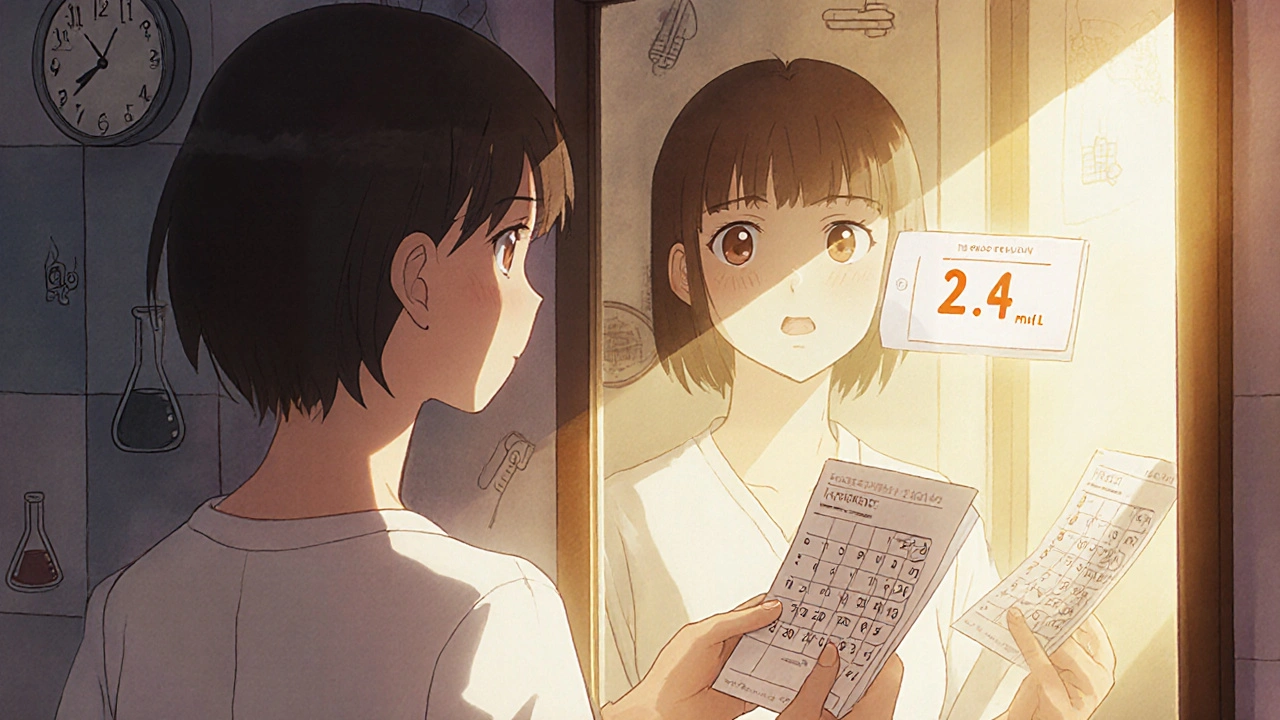
Fertility and Thyroid Health: What Your TSH Level Should Be Before Trying to Conceive
Optimizing your TSH level before conception is one of the most effective ways to improve fertility and reduce miscarriage risk. Learn the science-backed targets, treatment options, and testing schedule you need to know.
More Detail