
When to Call Doctor for Medication Reaction
When you take a new medication, your body might react—and not always in a good way. A medication reaction, an unexpected or harmful response to a drug that can range from mild irritation to life-threatening is more common than most people realize. It’s not always an allergy. Sometimes it’s just your system adjusting. But sometimes, it’s a warning sign you can’t afford to ignore. If you’re unsure whether your symptoms are normal or dangerous, you’re not alone. Most people wait too long before calling their doctor, hoping it’ll pass. But some reactions don’t wait.
One of the most dangerous allergic reaction to medication, a severe immune system response that can cause swelling, trouble breathing, or sudden drops in blood pressure can start with something small—a rash, a strange taste, or mild nausea. But if it spreads to your throat, makes it hard to breathe, or causes your lips or tongue to swell, you need help now. These aren’t side effects you can tough out. They’re emergencies. Even if you’ve taken the same drug before without issue, your body can change. A reaction can show up on day one, or after weeks of use. That’s why tracking what you’re taking and how you feel matters.
Other drug side effects, unintended physical changes caused by medication, often predictable but still needing attention like diarrhea, dizziness, or metallic taste are common and usually harmless. But when they’re extreme, persistent, or paired with new symptoms like confusion, chest pain, or dark urine, they’re signals your body is under stress. For example, if you’re on a blood thinner and start bruising easily or bleeding longer than usual, that’s not normal fatigue—it’s a red flag. Same with sudden swelling in your ankles while on blood pressure meds, or severe stomach pain after starting an NSAID. These aren’t just inconveniences. They’re signs your organs might be reacting.
You don’t need to guess whether it’s serious. If you’re asking yourself, "Should I call my doctor?"—the answer is probably yes. Don’t wait for a checklist. Your instincts matter. If you feel worse, not better, after starting a new drug, speak up. Your pharmacist can help, your doctor can adjust your dose, or switch you to something safer. The goal isn’t to scare you. It’s to help you act fast when it counts. Below, you’ll find real stories and clear guidance on what to watch for, what to do next, and how to protect yourself without panic. These aren’t theoretical warnings. They’re lessons from people who learned the hard way—and what you can do to avoid their mistakes.
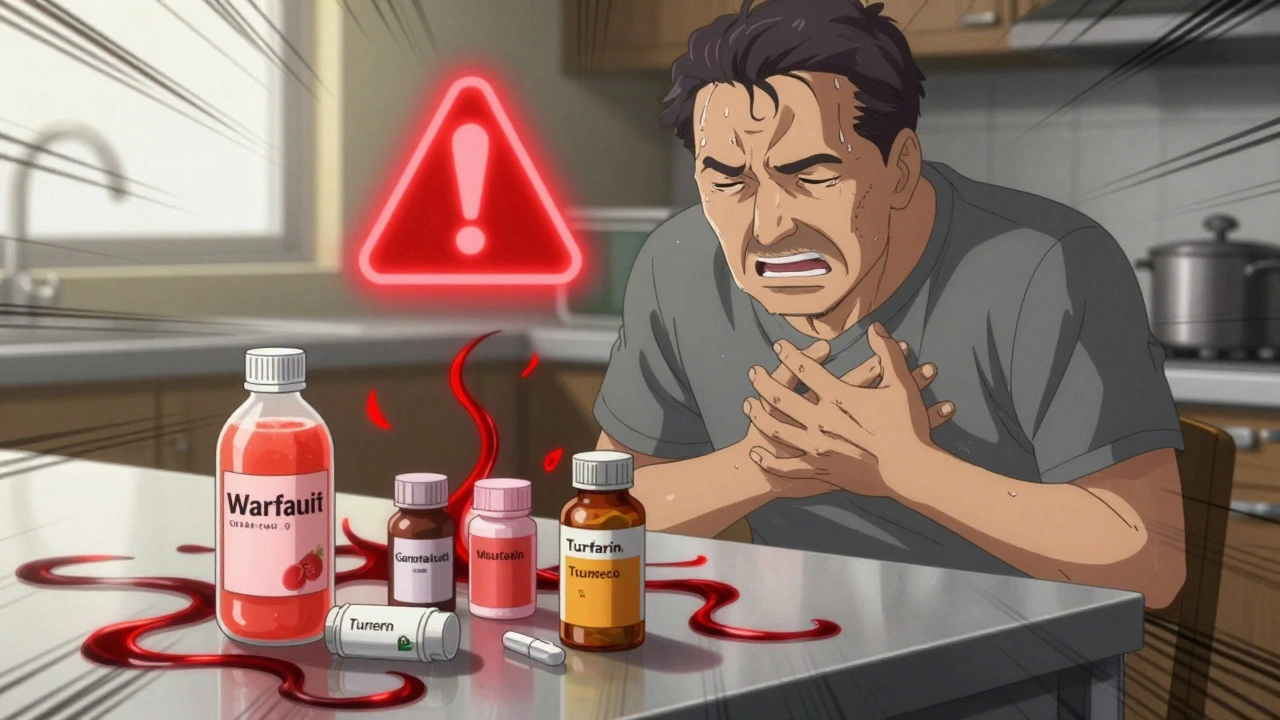
When to Seek Medical Help for a Suspected Drug Interaction
Learn when to seek emergency help for drug interactions, including signs of serotonin syndrome, liver damage, and allergic reactions. Know what symptoms require immediate action and how to prevent serious reactions.
More Detail