

You might not think about it when you pick up a bottle of medicine at the pharmacy, but that package carries a unique identity. In the fight against counterfeit drugsfake medications that pose serious health risks to patients, every label matters. Imagine a scenario where a contaminated batch hits the shelves. Without precise tracking, you lose everything. That’s why understanding the difference between batch identifiers and individual codes is critical for keeping supplies safe.
Understanding Lot Numbers and Batch Codes
When manufacturers produce goods, they group them into batches. A lot numbera unique identifier assigned to a specific quantity of goods produced together, also called a batch or heat number, groups items made under identical conditions. Think of it like baking cookies. If you bake a tray of chocolate chip cookies on Tuesday morning, all those cookies share the same characteristics: same flour, same oven temperature, same shift worker.
This concept isn't new. It dates back to early manufacturing quality control, but it became non-negotiable after a tragic event. In 1937, the Elixir Sulfanilamide disaster claimed over 100 lives due to a toxic ingredient. The aftermath forced governments to demand better oversight. This led directly to the 1938 Food, Drug, and Cosmetic Act, which required batch identification for medicines. Today, this legacy means every vial of insulin or bottle of pills has a number tracing its origin.
For perishable items, lot tracking often integrates expiration dates. About 89% of food industry implementations use this approach to manage shelf life. In the pharmaceutical world, it ensures you can isolate a problem quickly. If a raw material supplier sends bad chemicals, you know exactly which production run was affected. You don't have to recall every product you’ve ever made, just the specific lot.
How Serial Codes Work Differently
While lot numbers track groups, serial codesunique identifiers for individual units of a product identify single items. Each unit gets its own ID. This is essential for high-value components or items requiring warranty management. For instance, medical devices like pacemakers need individual tracking throughout their lifecycle. Manufacturers record the service history for that specific device, not just the batch it came from.
In the automotive sector, engines require this level of detail. But does every pill need one? Not necessarily. Serial tracking provides minimal additional benefit for standard food products according to FDA data. However, for expensive treatments or implantable devices, the precision is worth the effort. It reduces shipping errors by 89% in heavily regulated environments. When you sell a device, the serial code becomes part of the patient's permanent health record.
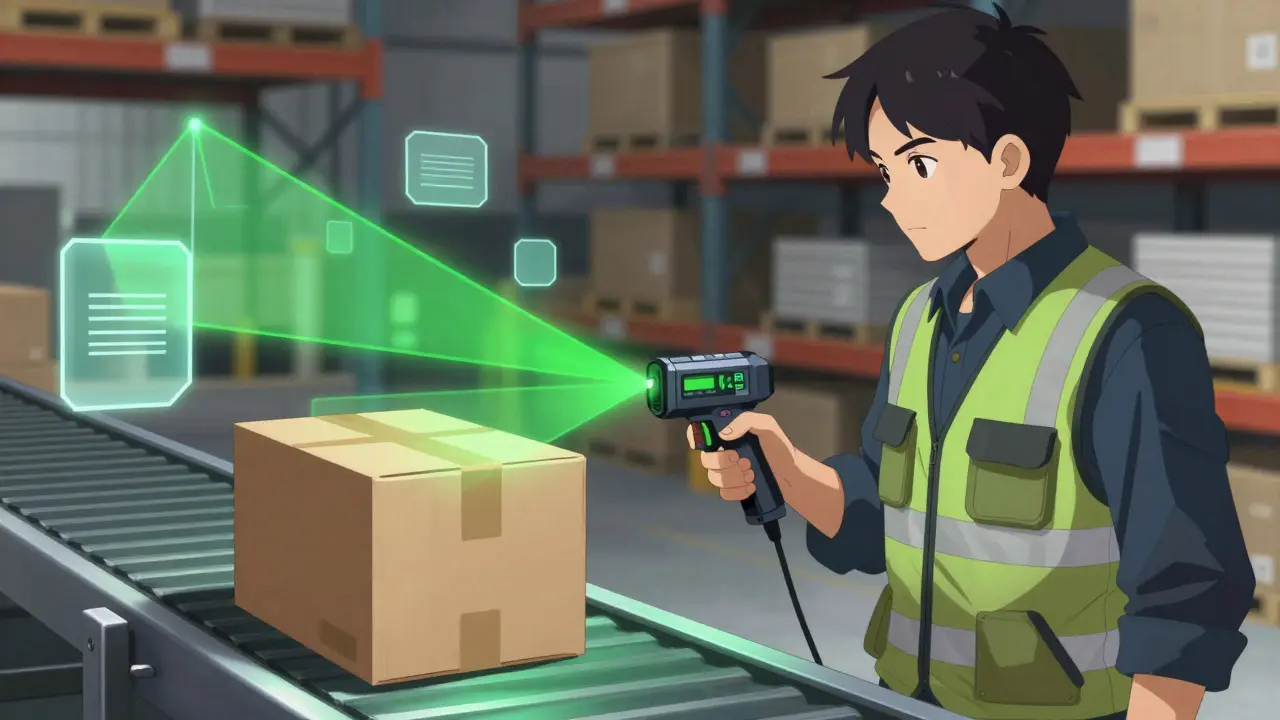
The Mechanics of Track-and-Trace Systems
Connecting these numbers to digital records creates a track-and-trace systemsoftware that monitors products from raw materials to final sale. Modern solutions rely on scanning technology. Manual entry methods hover around 87% accuracy, but modern barcode or QR code scanning bumps this to 99.8%. Why does that small gap matter? Human error causes most compliance failures. A typo in a handwritten log could mask a dangerous recall.
These systems function across several stages:
- Receipt: Scanning raw materials upon arrival at the factory.
- Production: Linking ingredients to the final product lot.
- Warehousing: Managing stock movement within the facility.
- Sales: Recording the final handover to pharmacies or distributors.
Cloud-based inventory software has lowered the barrier to entry. Previously, on-premise systems demanded robust servers like Windows Server 2016 with 8GB RAM. Now, standard web browsers handle heavy lifting. Cloud solutions also cut implementation costs by roughly 42% compared to traditional setups. Small manufacturers previously facing six-month timelines can often go live in weeks.
Regulatory Pressure and Safety Standards
Compliance isn't optional. Over 78% of manufacturing supply chains must meet strict regulatory requirements. In the US, the Food Safety Modernization Act (FSMA) sets the bar. The FDA enforces 21 CFR Part 11 regarding electronic records. Since 2011, enforcement has intensified. Warning letters citing inadequate lot traceability jumped 217% between 2018 and 2023.
Dr. Emily Chen, a supply chain professor, notes that lot traceability reduces recall costs by an average of $2.3 million per incident. Precision targeting saves millions. Instead of pulling millions of dollars of stock from shelves, you target only the compromised batch. A food manufacturer recently saved $478,000 during a salmonella scare because they could pinpoint the exact week of production involved.
| Feature | Lot Tracking | Serial Tracking |
|---|---|---|
| Scope | Group/Batch level | Individual unit level |
| Best For | Pills, food, bulk materials | Implants, electronics, machinery |
| Cost Efficiency | Higher (lower overhead) | Lower (higher data load) |
| Adoption Rate | 92% in Pharma/Food | 78% in Medical Devices |

Implementing Your Own Tracking Protocol
Setting up a robust system requires planning. First, define your lot parameters. Include production date, shift, location, and vendor details. Establish protocols for recording data at receipt and transfer points. Don't leave it to guesswork. You need a clear rule: scan it before it moves. One major automotive supplier reduced data errors by 94% after making barcode scanning mandatory.
Training staff is the next hurdle. The learning curve typically spans two to four weeks. Expect some friction during the transition. Negative reviews often cite steep learning curves. To mitigate this, ensure your system works intuitively. If employees find the process annoying, they find shortcuts. Those shortcuts lead to gaps in your audit trail.
Finally, integrate with existing purchasing and sales systems. Standalone tools create silos. You want a seamless flow where an order automatically updates the lot status. Support quality varies by provider. Cloud solutions generally offer 98% satisfaction rates for support responsiveness compared to 82% for on-premise setups. Choose a vendor who stays responsive.
Future Trends: AI and Blockchain
We are standing on the brink of significant changes. By 2027, Gartner predicts 65% of lot tracking systems will incorporate AI-driven anomaly detection. The software won't just record history; it will predict quality issues before they happen. Temperature-sensitive shipments will use IoT sensors. If a truck overheats during transit, the digital twin of that lot triggers an alert immediately.
Blockchain integration is also emerging. QR Inventory released features linking scans to immutable audit trails. This prevents tampering with records. Additionally, the EU's Digital Product Passport initiative, effective in 2027, will mandate serialized tracking for electronics, batteries, and textiles. This could increase market demand by 38% globally. Manufacturers preparing now will have a massive advantage when these regulations kick in fully.
Systems lacking mobile functionality are becoming obsolete. 94% of new implementations now require mobile scanning capabilities. Tablets and phones are replacing desktop scanners on the warehouse floor. This flexibility allows workers to verify stock anywhere in the facility, speeding up operations significantly.
Why are lot numbers required for medications?
Lot numbers allow regulators and companies to trace specific batches through the supply chain. If contamination occurs, you can recall only affected products rather than destroying entire inventories. This requirement stems from laws established after historical tragedies like the Elixir Sulfanilamide incident.
What is the difference between a lot number and a serial code?
A lot number identifies a group of items produced together, such as a batch of pills. A serial code identifies a single, unique item, such as a specific pacemaker. Lot tracking handles volume efficiency, while serial tracking handles individual warranties and history.
How much does implementing a track-and-trace system cost?
Basic lot tracking systems average $18,500 for small manufacturers, including setup and training. However, cloud-based solutions reduce these figures by roughly 42%. Costs vary based on complexity, hardware needs, and whether you choose on-premise or hosted options.
Is manual entry acceptable for compliance?
Manual entry achieves only about 87% accuracy compared to 99.8% for barcode scanning. Most regulators expect higher reliability. Poor data discipline has led to FDA warning letters for manufacturers using inconsistent recording practices. Automation is strongly recommended.
Will these systems change soon?
Yes. By 2027, the EU mandates Digital Product Passports for various goods. AI integration for predictive quality is also expected. Mobile scanning is already the standard for 94% of new projects. Keeping your system mobile-ready ensures long-term viability.


It is so scary how much trust we put in these systems sometimes. I honestly think companies care more about profit than patient safety. The whole point of tracking seems lost on the management teams. We need stricter morals in business not just software updates. People are dying while executives buy yachts. ☹”😴