
Brand Name Drugs: What They Are, Why They Cost More, and When Generics Work Just as Well
When you hear brand name drugs, patented medications sold under a specific company’s trademark, like Lipitor or Nexium. Also known as originator drugs, they’re the first version of a medicine to hit the market after years of research and clinical trials. These drugs get FDA approval based on safety and effectiveness data from large studies—but that approval doesn’t mean they’re better than what comes after.
Behind every brand name drug, a patented medication sold under a specific company’s trademark is a patent clock. Once it runs out, other companies can make the same drug under its chemical name—these are generic drugs, medications with the same active ingredient, dosage, and effect as the brand version, but sold at a fraction of the cost. The FDA requires generics to meet the same strict standards: same strength, same route of administration, same shelf life, same performance in the body. That’s why for most people, switching from brand to generic saves hundreds a year—with zero drop in results.
But not all generics are created equal. There’s a middle ground: authorized generics, the exact same drug as the brand name, made by the original company but sold under a generic label. These are identical in every way—same factory, same ingredients, same packaging—just cheaper because they skip the marketing and branding costs. Many patients don’t even know they exist, and pharmacies often don’t offer them unless you ask.
Why do some people still pay full price for brand name drugs? Sometimes it’s confusion. Other times, it’s fear—what if the generic doesn’t work as well? The truth is, for over 90% of medications, generics perform just as reliably. The FDA tracks reports of problems, and studies show no meaningful difference in outcomes between brand and generic versions for conditions like high blood pressure, depression, or cholesterol. But there are exceptions. For drugs with a narrow therapeutic window—like warfarin, thyroid meds, or certain seizure drugs—some doctors prefer to stick with one version to avoid even tiny variations in absorption. That’s not because generics are unsafe; it’s because consistency matters more in those cases.
And then there’s the cost game. Even when a generic is available, pharmacies sometimes charge you more than the actual wholesale price. A pill that costs $0.10 to make can be priced at $1.50 at your local pharmacy because of opaque pricing systems. That’s why checking your prescription savings card or using a price comparison tool can save you big—even on generics.
What you’ll find in these articles isn’t just theory. Real patients share how they cut their drug bills by switching to authorized generics. Others detail how grapefruit messes with brand name immunosuppressants, or why warfarin reacts badly with certain antibiotics. You’ll see how side effects like metallic taste or dry mouth affect adherence, and how doctors use combination therapy to reduce doses and risks. There are guides on tracking recalls, reading labels, and understanding what the FDA really requires for generics to be approved. This isn’t about pushing generics over brands—it’s about knowing your options so you don’t overpay, under-treat, or miss out on safer alternatives.
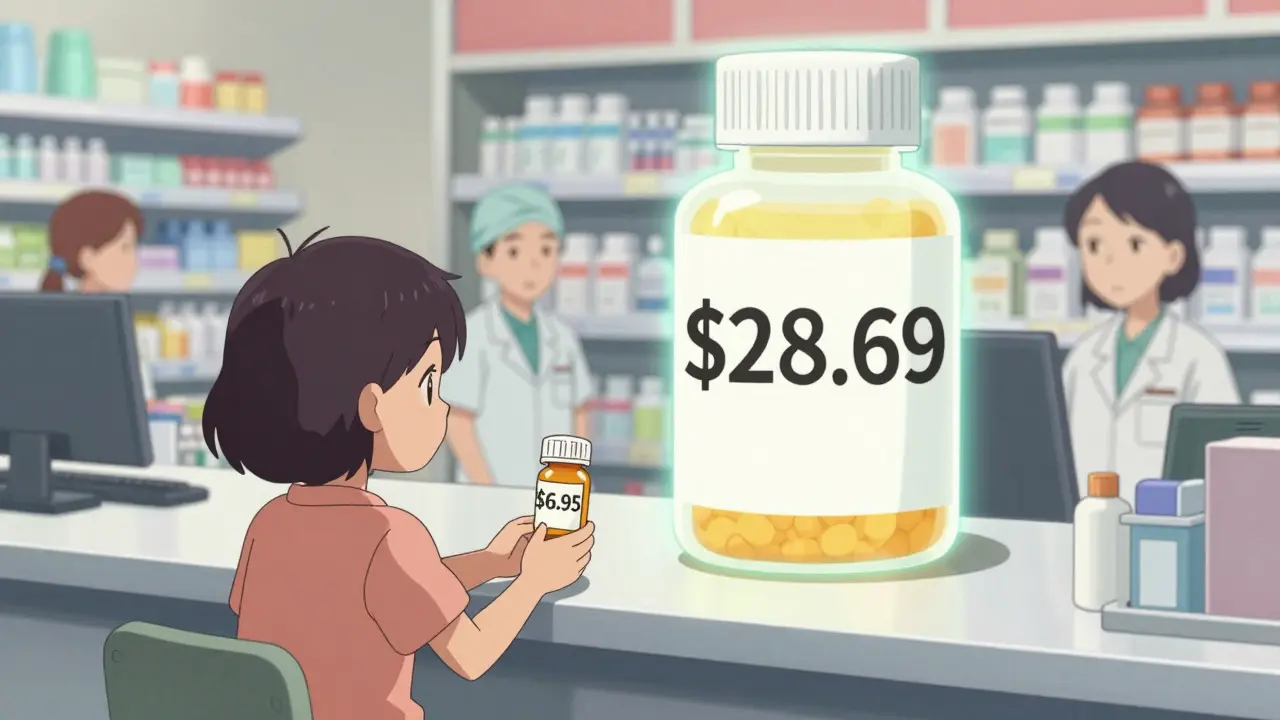
Generic Drug Savings: Real Numbers and Healthcare Statistics
Generic drugs save Americans billions annually, making up 90% of prescriptions but only 12% of drug spending. Learn the real numbers behind the savings, how biosimilars are changing the game, and what you can do to cut your prescription costs today.
More Detail
Switching from Brand to Generic Drugs: What to Expect in 2025
Switching from brand to generic drugs saves money and is usually safe, but some people need to be cautious - especially those on thyroid, blood thinner, or seizure meds. Know what to expect and when to speak up.
More Detail