
OTC Medicines: What Works, What to Avoid, and How to Use Them Safely
When you reach for an OTC medicine, a medication you can buy without a prescription. Also known as over-the-counter drugs, these are the first line of defense for everyday problems like headaches, allergies, heartburn, or a stuffy nose. But just because you don’t need a doctor’s note doesn’t mean they’re harmless. Millions use them daily, but few know the real risks—like masking serious symptoms, mixing dangerously with other pills, or building up side effects over time.
Take antihistamines, drugs that block histamine to stop allergy symptoms. Also known as allergy relief pills, they’re in Zyrtec, Claritin, and generic versions. They work great for sneezing and itchy eyes—but can make you drowsy, dry out your mouth, or even raise your blood pressure if you have heart issues. And if your hives last more than six weeks? That’s not just an allergy—it’s chronic urticaria, and you need more than an OTC pill. Same goes for pain relievers like ibuprofen or acetaminophen. They’re fine for a bad headache or sore muscles, but if you’re taking them every day for back pain or arthritis, you could be damaging your liver or kidneys without realizing it. And don’t forget acid reducers like omeprazole (Prilosec). They help with heartburn, but long-term use can mess with nutrient absorption and increase infection risk.
What ties most of these together? They show up in the posts below because people are using them, often without knowing the full picture. You’ll find real comparisons: how Zyrtec stacks up against other antihistamines, why Tolvaptan isn’t OTC but what you can do for hyponatremia at home, and how Montelukast helps with asthma but isn’t something you grab off a shelf. There’s also guidance on when to stop self-treating—like with rasagiline’s side effects on dental health, or how orlistat (Trim Z) works for weight loss but leaves you with oily stools if you eat fat. These aren’t abstract theories. They’re lessons from people who’ve been there.
OTC medicines are convenient, cheap, and easy to get—but they’re not toys. The right one can give you relief. The wrong one, or the wrong dose, can cost you more in the long run. Below, you’ll find clear, no-fluff breakdowns of what these drugs actually do, who they help, who they hurt, and when it’s time to see a doctor instead of reaching for another bottle.
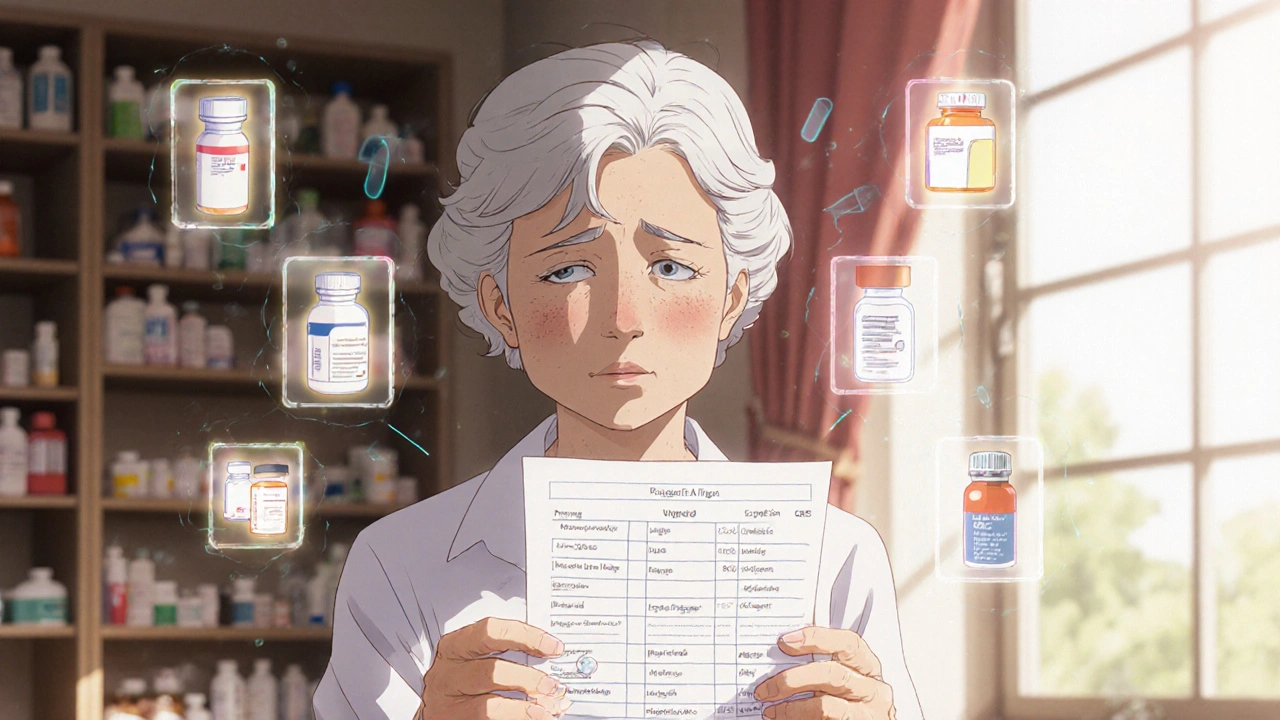
Creating Your Personal Medication List: What to Include for Safety
A personal medication list is a simple but powerful tool to prevent dangerous drug interactions, reduce errors, and protect your health. Know exactly what to include and how to keep it updated.
More Detail