
Steroid Acne vs. Fungal Folliculitis Checker
Answer the following questions to see if your skin changes align more with typical steroid-induced acne or Malassezia folliculitis (fungal infection).
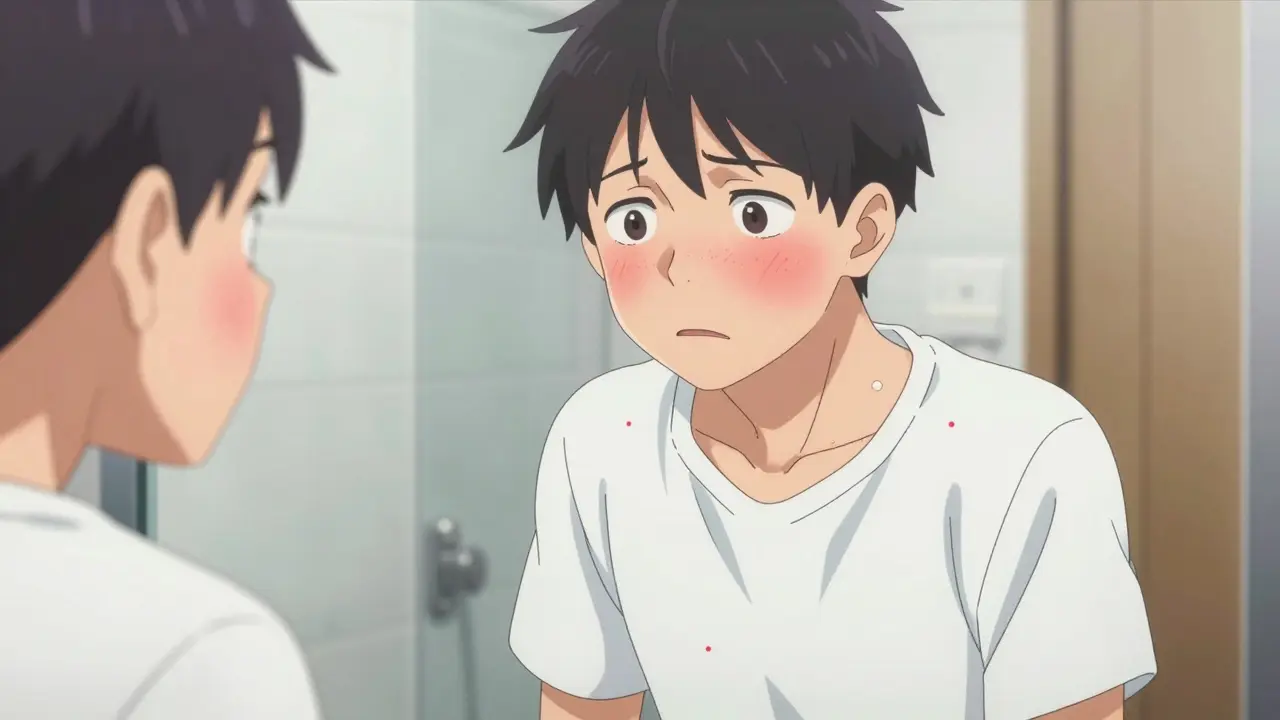
Imagine starting a necessary medication for asthma or an autoimmune flare-up, only to wake up a few weeks later with your chest and back covered in uniform, red bumps. It's a frustrating irony: the drug helping your internal inflammation is triggering a breakout on your skin. This is steroid-induced acne is a dermatological condition where acne-like eruptions occur as a direct side effect of using corticosteroids or anabolic steroids. While it looks like standard teenage acne, the cause and the way it behaves are entirely different.
If you're dealing with this, you're not alone. About 10-20% of people on high-dose steroid regimens experience these skin changes. The good news is that while it feels overwhelming, there are specific medical and lifestyle strategies to clear your skin, even if you can't stop taking your medication.
| Feature | Steroid-Induced Acne | Acne Vulgaris (Regular) |
|---|---|---|
| Appearance | Uniform red papules and whiteheads | Mixed (blackheads, cysts, papules) |
| Primary Location | Chest, upper back, and face | Face, chest, and back |
| Onset | Few weeks after starting steroids | Often hormonal or genetic (gradual) |
| Lesion Shape | Monomorphic (all look similar) | Polymorphic (different sizes/types) |
Why Steroids Cause Breakouts
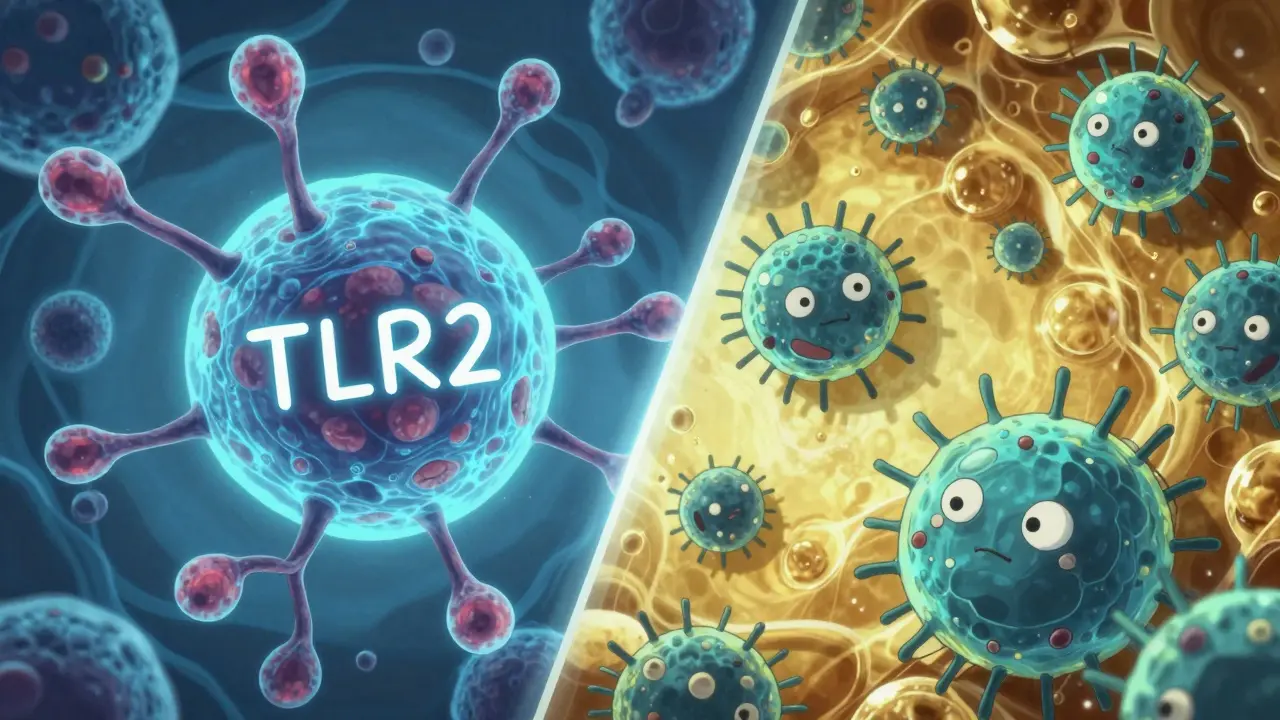
It isn't just about "clogged pores." Recent research highlights a molecular trigger involving Toll-like receptor 2 or TLR2, a protein that plays a key role in the innate immune system's response to bacteria. When you take steroids, they affect how TLR2 is expressed on your skin. This change, combined with the natural Propionibacterium acnes a common skin bacterium that can trigger inflammation when the skin environment changes, creates a perfect storm for inflammation.
This process differs depending on the type of steroid. Those taking Corticosteroids synthetic drugs that mimic cortisol to reduce inflammation and suppress the immune system (like prednisone) for medical conditions often see a "wave" of whiteheads. On the other hand, those using anabolic steroids for bodybuilding often face more severe, ulcerated lesions that can be harder to treat.
Identifying Your Type of Skin Change
Not every bump is actually acne. In about 30-40% of cases, what looks like steroid acne is actually Malassezia folliculitis a fungal infection of the hair follicles caused by an overgrowth of yeast. This is often mistaken for acne because it also appears as small, red pustules on the chest and back.
How can you tell the difference? Regular steroid acne usually includes comedones (blackheads and whiteheads). Malassezia folliculitis is typically itchier and the bumps are almost all the same size, without those classic blackheads. Identifying this early is crucial because antifungal treatments won't work on bacterial acne, and vice versa.
Topical and Medical Solutions
The gold standard for treating these breakouts is Tretinoin a powerful retinoid derived from Vitamin A that increases cell turnover and clears pores. In clinical studies, a 0.05% solution applied nightly has shown an 85-90% success rate in clearing dense clusters of whiteheads within three months, even while the patient continues their steroid therapy. If you're starting tretinoin, introduce it slowly-maybe every other night-to avoid the "retinoid purge" and extreme dryness.
For those with more active inflammation, a combination approach usually works best:
- Benzoyl Peroxide: Using a 5% wash helps kill bacteria and dry out active lesions.
- Topical Antibiotics: Clindamycin can reduce redness, though some users report developing resistance if used alone for too long.
- Oral Options: In moderate cases, doctors may prescribe Doxycycline a tetracycline antibiotic used to reduce systemic inflammation and bacterial load. For women, spironolactone may be used to block the androgenic effects that often accompany steroid use.
In severe cases, Isotretinoin an oral retinoid used for severe cystic acne that permanently shrinks oil glands is the most effective option. However, a major warning: if you are using anabolic steroids, isotretinoin can sometimes trigger a paradoxical reaction called acne fulminans, which can lead to hospitalization. Always consult a dermatologist before starting this medication.
Lifestyle Adjustments to Support Healing
Medical creams do the heavy lifting, but your daily habits determine how fast your skin recovers. Steroids can disrupt your skin barrier, making you more prone to irritation and sensitivity.
First, ditch the harsh scrubs. When your skin is inflamed from steroids, physical exfoliants act like sandpaper, damaging the barrier further and potentially causing permanent scarring. Instead, use a gentle, non-comedogenic moisturizer. Look for ingredients like ceramides that help rebuild the skin's natural shield.
Sun protection is non-negotiable. Both corticosteroids and treatments like tretinoin increase your photosensitivity. A day in the sun without SPF can lead to deep pigmentation (dark spots) where your acne used to be, which are often harder to remove than the acne itself.
If you suspect a fungal component (Malassezia), try using a Ketoconazole a broad-spectrum antifungal agent used to treat yeast infections of the skin shampoo. Apply it to the affected areas, let it sit for 5-10 minutes, and then rinse. Doing this 2-3 times a week can significantly clear up those itchy, uniform bumps on the chest.
What Happens When You Stop the Medication?
For many, the solution is simple: stop taking the steroids. Most steroid-induced acne resolves naturally within 4 to 8 weeks after the medication is discontinued. However, for people treating kidney transplants, severe asthma, or lupus, stopping isn't an option.
If you must stay on your medication, focus on the "early intervention" rule. Dermatologists suggest starting treatment within 8 weeks of the first bump appearing. Delaying treatment significantly increases the risk of scarring, as steroid acne can be more aggressive than typical breakouts.
Will steroid acne leave permanent scars?
Yes, it can. Because the lesions are often dense and inflammatory, there is a risk of atrophic scarring or post-inflammatory hyperpigmentation. This is why starting a retinoid like tretinoin early is important-it not only clears the acne but helps encourage collagen production to minimize scar formation.
Can I use over-the-counter salicylic acid?
You can, but it's often not strong enough for steroid-induced acne. Salicylic acid is great for blackheads, but the inflammatory papules caused by steroids usually require stronger agents like benzoyl peroxide or prescription retinoids to see real improvement.
How long does it take for treatment to work?
Patience is key. Topical treatments usually take 6 to 8 weeks before you see a visible difference. Full clearance often takes up to 12 weeks. Do not switch products every two weeks, as this will only irritate your skin further.
Does diet affect steroid acne?
While diet doesn't cause steroid acne, high-glycemic foods (like sugary snacks and white bread) can spike insulin, which may worsen the oil production already triggered by steroids. Staying hydrated and eating anti-inflammatory foods can support your skin's healing process.
Is the acne the same for oral and topical steroids?
Systemic (oral or injected) steroids are more likely to cause widespread acne on the chest and back. Topical steroids can cause local breakouts in the area of application, but they can also cause a different condition called steroid rosacea, which looks like redness and tiny bumps on the face.
Next Steps for Your Skin Recovery
Depending on where you are in your journey, your priority should change. If you've just noticed the first few bumps, start with a gentle benzoyl peroxide wash and book a dermatology appointment to get a prescription for tretinoin. This prevents the condition from escalating into severe cystic acne.
If you are currently on a long-term steroid regimen and cannot stop, focus on barrier repair. Use a fragrance-free cleanser and a heavy-duty moisturizer at night. If you notice your current acne routine isn't working after 8 weeks, it might be time to switch from an antibacterial approach to an antifungal one (like the ketoconazole method) to rule out Malassezia folliculitis.
For those transitioning off steroids, keep your skincare routine consistent. Your skin may go through a period of instability as your hormone levels and immune response recalibrate. Avoid introducing new, aggressive active ingredients during this window to prevent further irritation.