
Antidepressants: How They Work, What to Expect, and When to Switch
When you start taking antidepressants, medications designed to balance brain chemicals linked to mood, sleep, and energy. Also known as antidepressive drugs, they don’t make you feel "happy" right away—they help your brain regain the ability to handle stress, sadness, and daily life without feeling overwhelmed. Most people begin with SSRIs, a common class of antidepressants that increase serotonin levels. Examples include escitalopram and sertraline, which are often chosen because they’re well-tolerated and have fewer side effects than older options. But here’s the thing: antidepressants don’t work like painkillers. You won’t feel better after one pill. It takes weeks. And for many, the first few weeks feel worse—not better—because side effects like nausea, sleep changes, or feeling emotionally numb show up before the mood improvement does.
That’s why so many people quit too soon. One study found that nearly half of people stop taking their antidepressant within the first month, not because it’s not working, but because they didn’t know side effects were temporary. If you’re on escitalopram, a popular SSRI also sold as Lexapro, you might notice changes between weeks 4 and 8, but full relief often takes 12 weeks. Patience isn’t optional—it’s part of the treatment. And if side effects stick around? Talk to your doctor. Switching to another antidepressant isn’t failure—it’s strategy. Some people respond better to SNRIs like venlafaxine, or to drugs that affect dopamine, like bupropion. There’s no one-size-fits-all. What works for your neighbor might do nothing for you, and that’s normal.
Antidepressants aren’t just about mood. They can affect your taste, your sleep, your digestion, even your sex drive. Metallic taste? Dry mouth? Trouble reaching orgasm? These aren’t rare. They’re common enough that doctors should talk about them upfront. And if you’re taking other meds—like blood thinners, painkillers, or even supplements like St. John’s wort—there could be dangerous interactions. That’s why keeping a personal medication list, a simple record of everything you take, including doses and reasons. It’s one of the safest things you can do when managing mental health with drugs. Your brain isn’t broken. It’s just out of rhythm. Antidepressants help nudge it back, but they’re not magic. They work best with sleep, movement, and support. And if you’ve been on one for months and still feel stuck? It’s not you. It’s time to reassess. The posts below cover everything from how long antidepressants take to kick in, why people stop taking them, how to handle side effects, and when switching is the smartest move. No fluff. Just what you need to know to stay on track—or know when to change course.
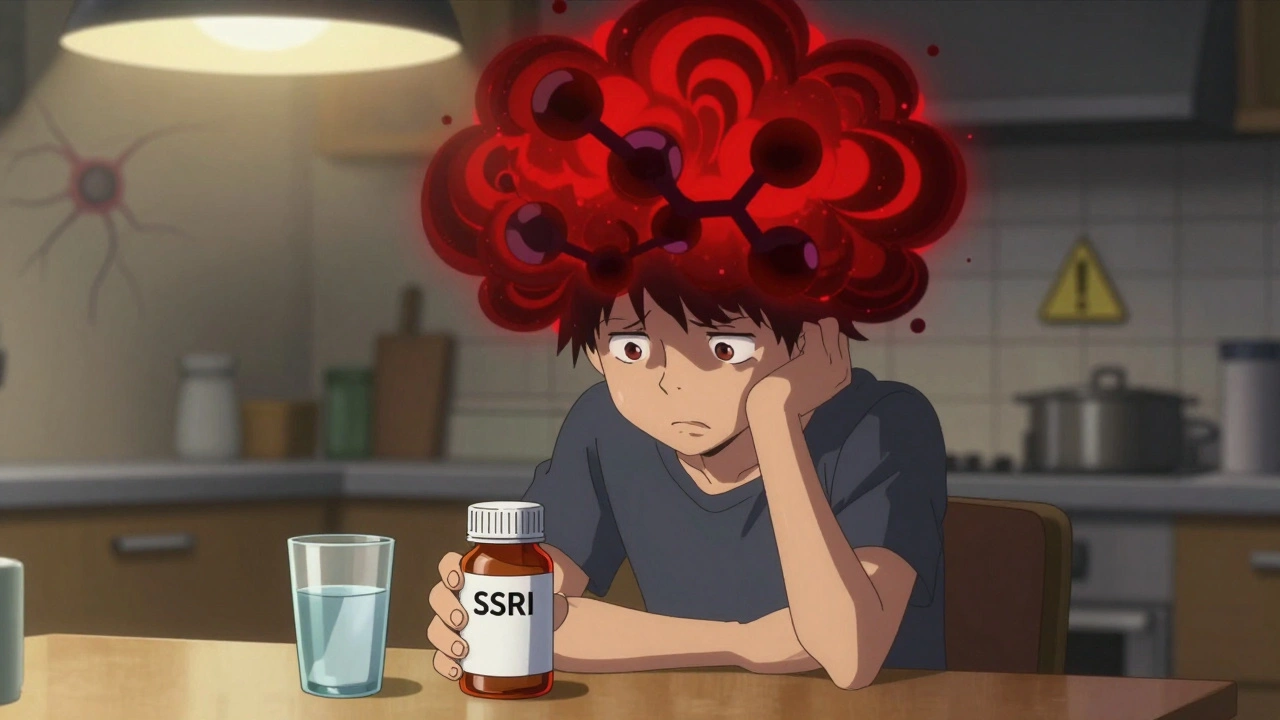
L-Tryptophan and Antidepressants: What You Need to Know About Serotonin Risks and Interactions
Combining L-tryptophan with antidepressants can trigger serotonin syndrome-a potentially fatal condition. Learn the real risks, who should avoid it, and safer alternatives for mood support.
More Detail