
Drug Interaction Emergency: What to Do When Medications Clash
When a drug interaction emergency, a sudden, potentially life-threatening reaction caused by two or more medications or a medication and food. Also known as medication clash, it can turn a routine prescription into a hospital trip in minutes. This isn’t rare. One glass of grapefruit juice can spike blood levels of immunosuppressants like cyclosporine to toxic levels, damaging kidneys or triggering organ rejection. Warfarin and common antibiotics? That combo can send your INR soaring, risking internal bleeding. These aren’t edge cases—they’re documented, preventable disasters.
Most people don’t realize how easily these emergencies happen. You’re taking your blood pressure pill, then grab an over-the-counter cold med with decongestants—suddenly your heart races, your blood pressure spikes. Or you start a new antibiotic while on a cholesterol drug, and your muscles begin to ache. These aren’t side effects—they’re dangerous drug combinations, pairings known to cause severe harm when used together. The FDA tracks hundreds of these. Some involve common foods—grapefruit, St. John’s wort, even high-sodium meals. Others involve timing: taking a blood thinner right after an NSAID like ibuprofen can wreck your stomach lining. And it’s not just pills. Supplements, herbal teas, even some vitamins can trigger reactions. Your pharmacist doesn’t always know everything you’re taking, and your doctor might not ask about your turmeric capsules or your daily energy drink.
What makes this worse? Many of these interactions are silent until it’s too late. You won’t feel a thing until your liver fails, your kidneys shut down, or your blood won’t clot. That’s why keeping a medication list, a real-time record of every drug, supplement, and OTC product you take. is your best defense. Write it down. Update it after every doctor visit. Bring it to every pharmacy. Show it to your emergency room team if you’re ever admitted. These aren’t just good habits—they’re survival tools. And if you’ve ever wondered why your doctor suddenly changed your dose after you started a new medication? That’s them catching a hidden interaction before it became an emergency.
The posts below cover the real stories behind these emergencies: how grapefruit sabotages transplant meds, why antibiotics turn warfarin into a ticking time bomb, how diabetes drugs can crash your blood sugar when mixed with others, and what to do when your stomach starts bleeding from a simple painkiller. These aren’t theoretical warnings—they’re lessons from people who lived through it. You’ll learn which combinations to avoid, how to spot early signs, and what to say to your doctor before you take that next pill. No fluff. No guesswork. Just what you need to stay safe.
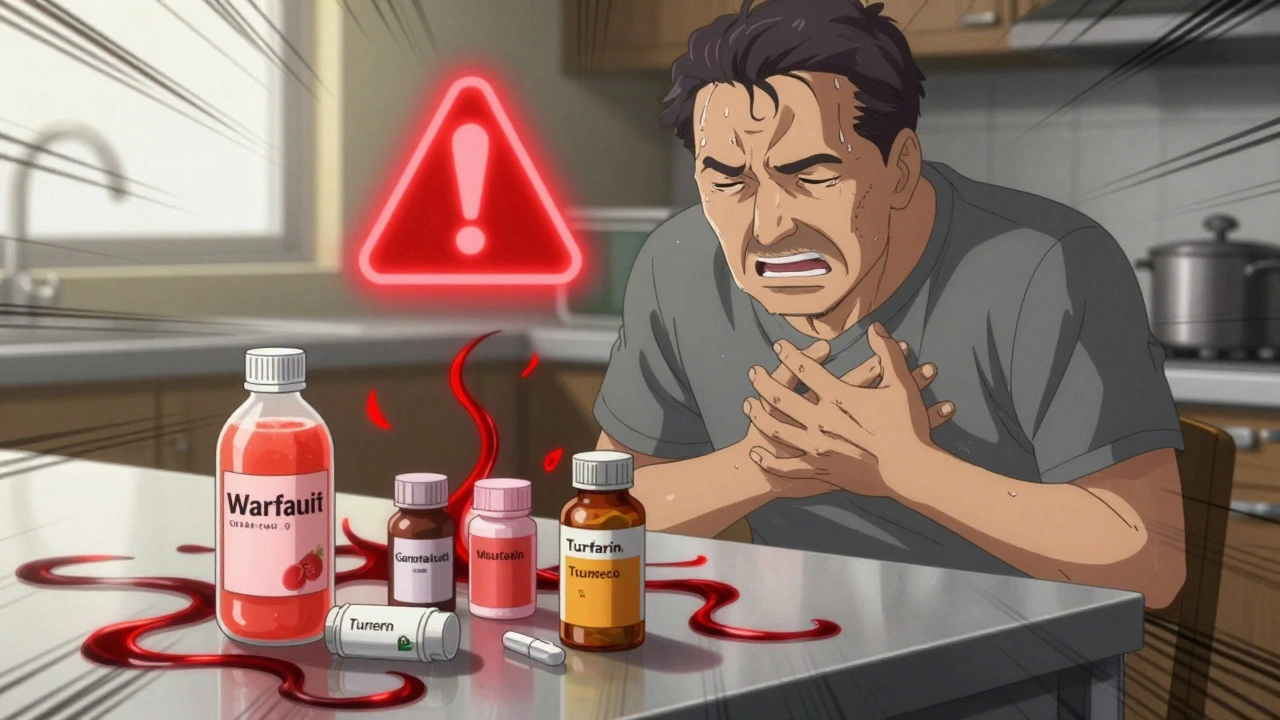
When to Seek Medical Help for a Suspected Drug Interaction
Learn when to seek emergency help for drug interactions, including signs of serotonin syndrome, liver damage, and allergic reactions. Know what symptoms require immediate action and how to prevent serious reactions.
More Detail