
Drug Interaction Symptoms: What to Watch For and When to Act
When you take more than one medication—or even a common food like grapefruit, a fruit that can dangerously alter how your body processes certain drugs—your body doesn’t always handle it well. Drug interaction symptoms, unintended physical reactions caused by two or more substances affecting each other can be silent at first, then suddenly life-threatening. These aren’t just side effects from one drug—they’re the result of one drug changing how another works, or how your body absorbs, breaks down, or eliminates it. You might not realize it’s happening until you feel dizzy, nauseous, or your heart starts racing.
Some drug-food interactions, harmful reactions between medications and everyday foods or drinks are sneaky. Grapefruit, for example, can make immunosuppressants like cyclosporine build up to toxic levels in your blood, raising your risk of kidney damage or organ rejection. Even one glass can cause effects that last three days. Other common culprits include alcohol with sedatives, dairy with antibiotics, or leafy greens with blood thinners like warfarin. Then there are medication interactions, when two or more drugs clash inside your body, often without your doctor realizing it. Warfarin and certain antibiotics can spike your INR, leading to internal bleeding. Diabetes drugs mixed with other pills can send your blood sugar crashing or soaring. These aren’t rare edge cases—they happen every day, often because people don’t know what to look for.
The real danger isn’t the drugs themselves—it’s the silence around them. Many people ignore early signs: a strange metallic taste, sudden diarrhea, unexplained fatigue, or swelling in the ankles. These aren’t just "annoyances." They’re your body’s alarm system. If you’ve recently started a new pill, changed your diet, or begun seeing a new doctor, you’re at higher risk. The good news? Most of these interactions are preventable. You don’t need to be a medical expert. You just need to know what to watch for, when to speak up, and how to keep a simple list of everything you take—including vitamins and over-the-counter meds. Below, you’ll find real stories and clear guides on the most common and dangerous interactions, from antibiotics to statins to thyroid meds. No fluff. Just what you need to stay safe.
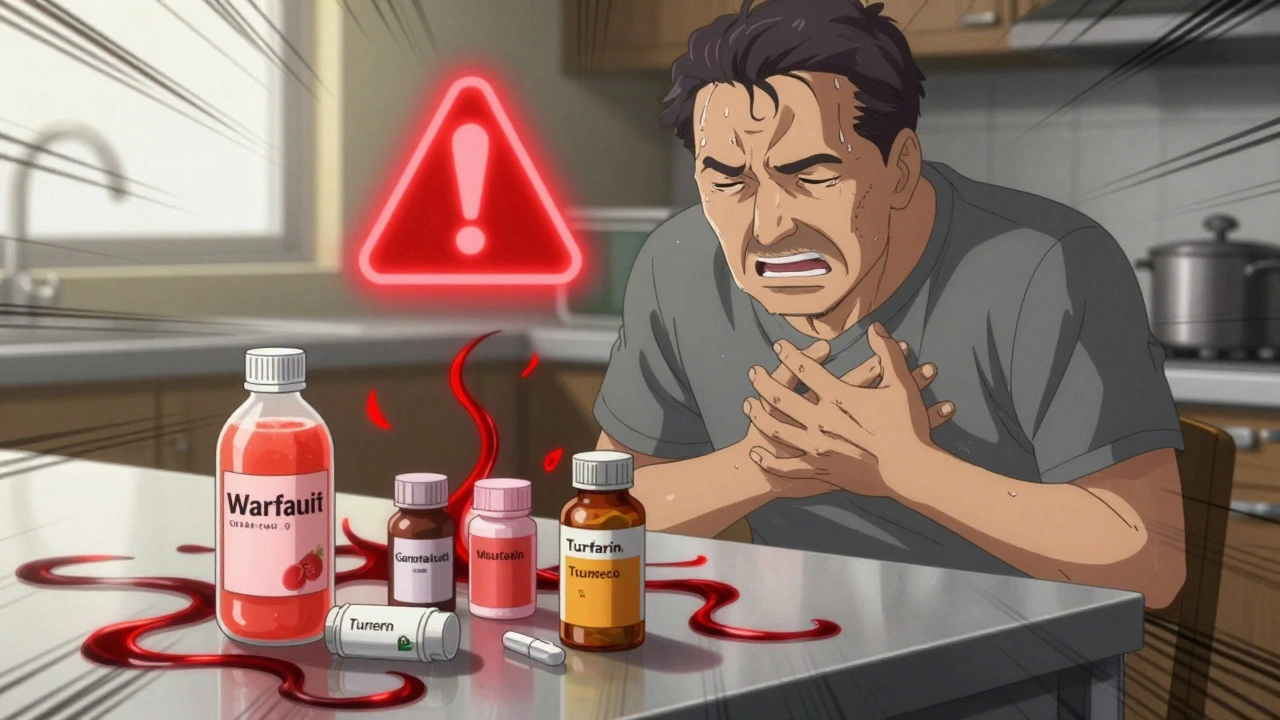
When to Seek Medical Help for a Suspected Drug Interaction
Learn when to seek emergency help for drug interactions, including signs of serotonin syndrome, liver damage, and allergic reactions. Know what symptoms require immediate action and how to prevent serious reactions.
More Detail