
Hypoglycemia Risk: What You Need to Know About Low Blood Sugar Dangers
When your blood sugar drops too low, your body doesn’t have enough fuel to function properly—that’s hypoglycemia risk, a condition where blood glucose falls below 70 mg/dL, triggering symptoms like shakiness, confusion, and in severe cases, seizures or loss of consciousness. Also known as low blood sugar, it’s not just a side effect—it’s a medical event that can happen fast, especially if you’re taking insulin or certain oral diabetes drugs. This isn’t something that only affects people with type 1 diabetes. Even those with type 2 on sulfonylureas or meglitinides can experience it, and sometimes, it hits without warning.
Hypoglycemia risk doesn’t come out of nowhere. It often links to insulin reaction, when too much insulin circulates and pulls glucose out of the bloodstream faster than the body can replace it. Skipping meals, over-exercising, drinking alcohol without food, or miscalculating a dose can all trigger it. Some people develop hypoglycemia unawareness, where their body stops sending warning signs like sweating or hunger—making it even more dangerous. And if you’re on multiple medications, like a GLP-1 agonist with insulin, the risk stacks up. It’s not just about the drug—it’s about how your life, habits, and other meds interact with it.
Monitoring your blood sugar monitoring, the regular checking of glucose levels using a meter or continuous monitor to catch drops before they become emergencies is the simplest way to stay ahead. But it’s not just about the numbers. It’s about recognizing patterns: Do you crash after lunch? After workouts? When you’re stressed? The posts below break down real cases—how switching from brand to generic insulin can change your response, why antibiotics might unexpectedly drop your sugar, and how even sleep disorders can throw off your glucose control. You’ll find practical advice on keeping a medication list that includes every pill, supplement, and dose timing, so you don’t accidentally double up on something that lowers blood sugar. You’ll also see how certain drugs, like those for Parkinson’s or high blood pressure, can quietly increase your hypoglycemia risk without you realizing it.
There’s no one-size-fits-all fix. What works for one person might put another in danger. That’s why knowing your triggers, tracking your habits, and talking to your provider about your real daily life—not just lab results—is the best defense. The articles here aren’t theory. They’re from people who’ve been there, and they give you the tools to act before it’s too late.
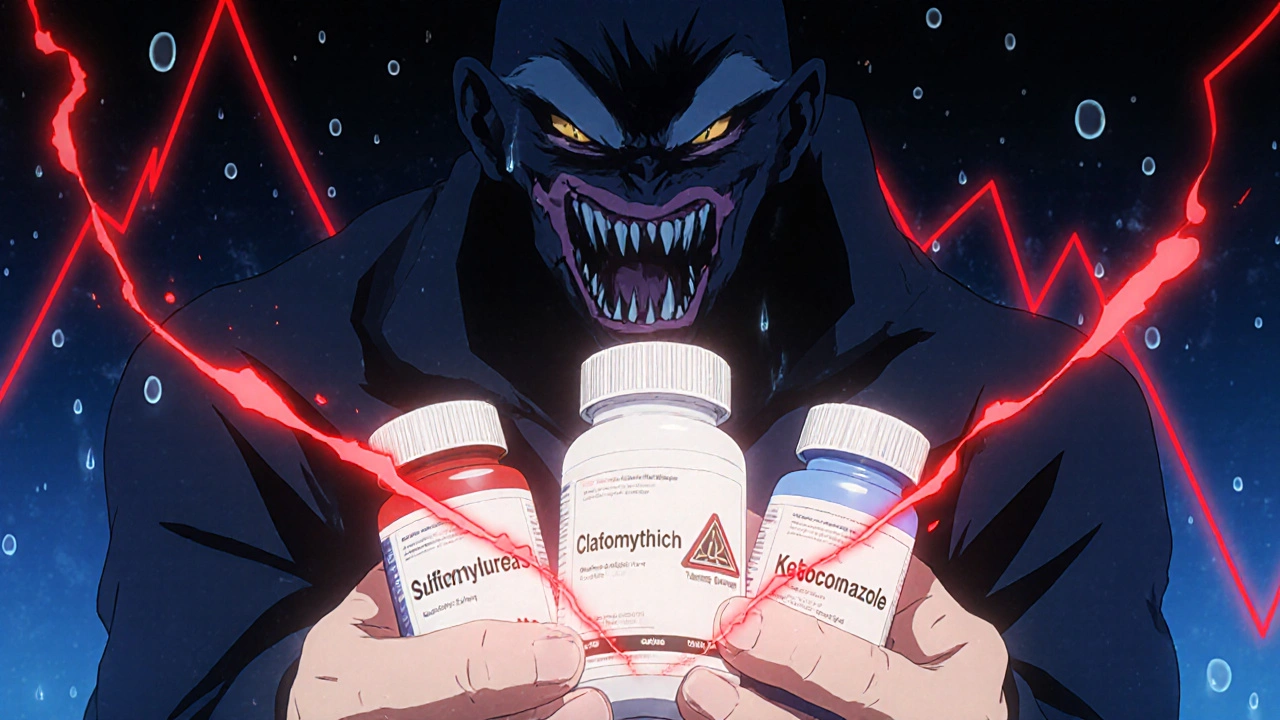
Diabetes Medication Interactions: Dangerous Drug Combinations to Avoid
Learn which diabetes drug combinations can cause dangerous low or high blood sugar. Key interactions with insulin, metformin, and newer medications explained with practical safety tips.
More Detail