
Hyponatremia: Causes, Risks, and Treatment Options Explained
When your blood sodium drops too low, you have hyponatremia, a condition where sodium levels in the blood fall below 135 mEq/L, disrupting fluid balance and nerve function. Also known as low sodium, it’s not just a lab number—it’s a real threat that can lead to confusion, seizures, coma, or death if ignored. Sodium isn’t just salt on your food. It’s the key electrolyte that keeps your cells hydrated, your nerves firing, and your muscles working. Too little, and your brain swells. Too much, and you get dehydration. But hyponatremia is sneakier than you think—it often shows up as mild fatigue, nausea, or headaches, so people dismiss it until it’s too late.
What causes it? Common triggers include drinking too much water during endurance sports, taking certain antidepressants or pain meds, heart or kidney failure, and even some cancers. Older adults are especially at risk because their bodies don’t regulate fluids as well. And here’s the twist: sometimes the problem isn’t too much water—it’s your body holding onto water when it shouldn’t. That’s where Natrise, the brand name for tolvaptan, a medication that helps your kidneys flush out excess water without losing sodium comes in. It’s not a first-line fix for everyone, but for people with SIADH or advanced liver disease, it’s one of the few tools that actually targets the root cause. Other treatments? They’re often just bandaids—cutting back on fluids, adjusting diuretics, or treating the underlying illness like hypothyroidism or adrenal insufficiency.
And it’s not just about the drug. Managing hyponatremia means understanding how your kidneys, heart, and hormones talk to each other. That’s why some people need daily weight checks, urine tests, and careful monitoring of meds like tolvaptan, a vasopressin receptor antagonist that blocks the hormone causing water retention. It’s also why you can’t just chug water after a marathon or take NSAIDs long-term without knowing the risks. The posts below cover everything from how Natrise compares to older treatments, to why certain antibiotics or painkillers can push sodium levels into danger zones, and how to spot early warning signs before you end up in the ER. You’ll find real-world advice from people who’ve lived with this, doctors who’ve treated it, and data that cuts through the noise. This isn’t theoretical—it’s survival-level info.
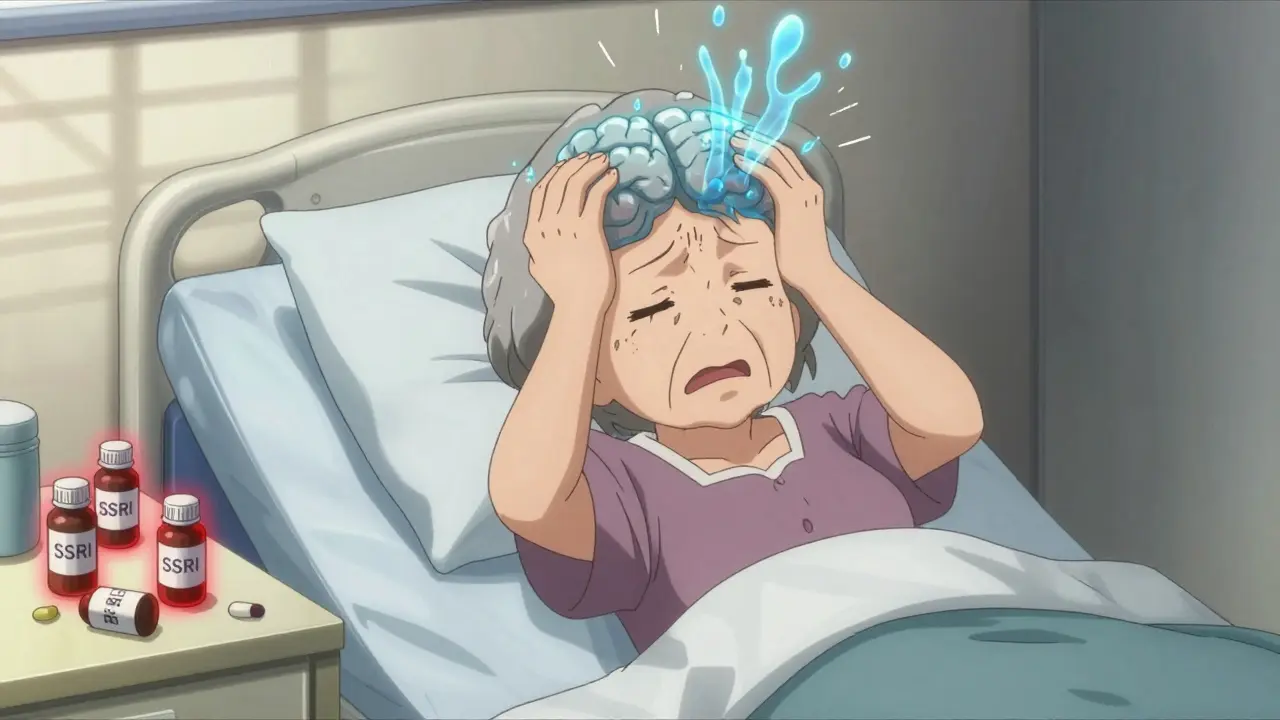
Severe Hyponatremia from Medications: Signs, Risks, and What to Do
Severe hyponatremia from medications can cause confusion, seizures, and even death if ignored. Learn which drugs raise the risk, how to spot early signs, and what to do before it's too late.
More Detail
Hyponatremia and Hypernatremia in Kidney Disease: What You Need to Know
Hyponatremia and hypernatremia are common and dangerous in kidney disease. Learn how sodium imbalances happen, why they're risky, and what you can do to stay safe with chronic kidney disease.
More Detail