
Medication Storage: How to Keep Your Pills Safe and Effective
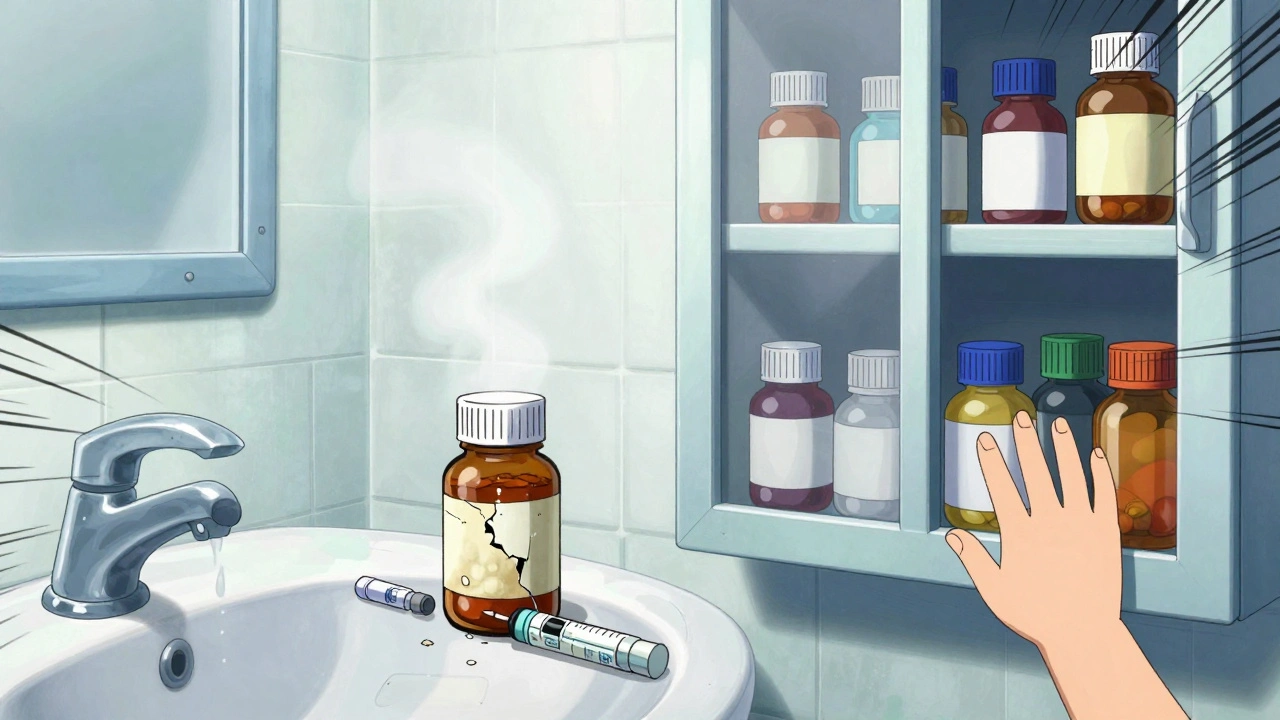
When you buy medicine, the bottle doesn’t come with a manual—but medication storage, the way you keep your drugs at home directly affects how well they work and whether they’re safe to use. Also known as drug storage, it’s not just about keeping pills out of reach of kids—it’s about controlling heat, moisture, and light so your medication doesn’t break down before you take it. A pill sitting on your bathroom counter might look fine, but humidity from the shower can turn it into a weak, useless, or even harmful version of itself. The FDA says many drugs lose potency faster than you think when stored in hot or damp places. That’s why your prescription label often says "store at room temperature"—it’s not a suggestion, it’s a requirement.
Medication expiration, the date after which a drug may no longer be safe or effective, is another key part of drug safety. But here’s the truth: many pills stay active years past their printed date—if stored right. However, insulin, liquid antibiotics, nitroglycerin, and some eye drops? Those degrade fast. Heat turns them into junk. A pill in a hot car or a sunny windowsill isn’t just expired—it’s risky. And don’t forget pill storage, how you organize and protect your medicines daily. Storing all your drugs in one big container? That’s how mix-ups happen. Mixing blood thinners with painkillers in the same bottle? That’s how accidents start. Keep each medicine in its original bottle with the label. That’s the only way you’ll know the name, dose, and expiration date when you need it.
Temperature matters more than you think. Your fridge isn’t always the answer. Some meds freeze and break apart. Others get ruined by condensation. The best spot? A cool, dry place away from sunlight—like a bedroom drawer, not the bathroom. Keep them away from electronics, radiators, and the kitchen stove. If you travel, don’t leave pills in your glove compartment. Carry them with you. And if you’re ever unsure? Check the package insert or call your pharmacist. They’ve seen what happens when people store meds wrong.
What you’ll find below are real stories and facts about how people messed up their meds—by storing them in the wrong place, ignoring expiration dates, or mixing them carelessly. You’ll learn which drugs need special care, how to tell if a pill has gone bad, and simple habits that keep your whole family safe. No fluff. No guesswork. Just what actually works to protect your health, one pill at a time.
Medication Storage and Authenticity: How to Protect Your Home Supply from Counterfeits and Accidents
Learn how to store medications safely at home to prevent accidental poisonings, teen misuse, and counterfeit drugs. Discover the best storage practices, temperature rules, and disposal methods backed by health authorities.
More Detail