
Prescription Tracker: Stay on Top of Your Medications with Smart Tools
When you’re juggling multiple prescriptions, a prescription tracker, a system or tool used to monitor when and how medications are taken. Also known as a medication log, it’s not just a reminder app—it’s a lifeline for people managing chronic illness, multiple doctors, or complex drug schedules. Missing a dose, mixing up pills, or not knowing about a drug recall can lead to serious health risks. That’s why millions rely on simple, low-tech methods like pill boxes and handwritten logs—and others use digital tools that sync with pharmacies and send alerts.
A prescription tracker, a system or tool used to monitor when and how medications are taken. Also known as a medication log, it’s not just a reminder app—it’s a lifeline for people managing chronic illness, multiple doctors, or complex drug schedules. Missing a dose, mixing up pills, or not knowing about a drug recall can lead to serious health risks. That’s why millions rely on simple, low-tech methods like pill boxes and handwritten logs—and others use digital tools that sync with pharmacies and send alerts.
Real people use these tools every day. Someone with Parkinson’s might track rasagiline doses to avoid dry mouth complications. A person with PCOS on GLP-1s uses a tracker to log side effects and weight changes. Parents of kids with cystic fibrosis note when antibiotics are due. Even if you’re just taking one daily pill, a tracker helps you spot patterns—like why you feel tired every Tuesday after your new blood pressure med started.
It’s not just about remembering to take your meds. A good prescription tracker connects to bigger safety nets. It helps you match lot numbers to recalls, like when a batch of metformin or Natrise gets pulled. It flags dangerous interactions—say, when montelukast and cefaclor are both prescribed. It reminds you when to refill before you run out, so you don’t miss doses during travel or holidays. And for people on long-term meds like cyclosporine or donepezil, it builds a history that doctors actually use during checkups.
Some trackers are simple: a printed chart with checkboxes. Others are apps that text you, call your pharmacy, or even notify your family if you miss a dose. The best ones don’t ask you to do more work—they make your life easier. They pull data from your pharmacy records, sync with your calendar, and show you exactly what’s due today, tomorrow, and next week.
What you’ll find here are real stories from people who’ve been there: how a prescription tracker helped them avoid a hospital visit, how they figured out their hives were triggered by a new med, how they caught a faulty lot number before it hurt them. These aren’t theory pieces. They’re guides written by people who needed to stay alive, not just organized.
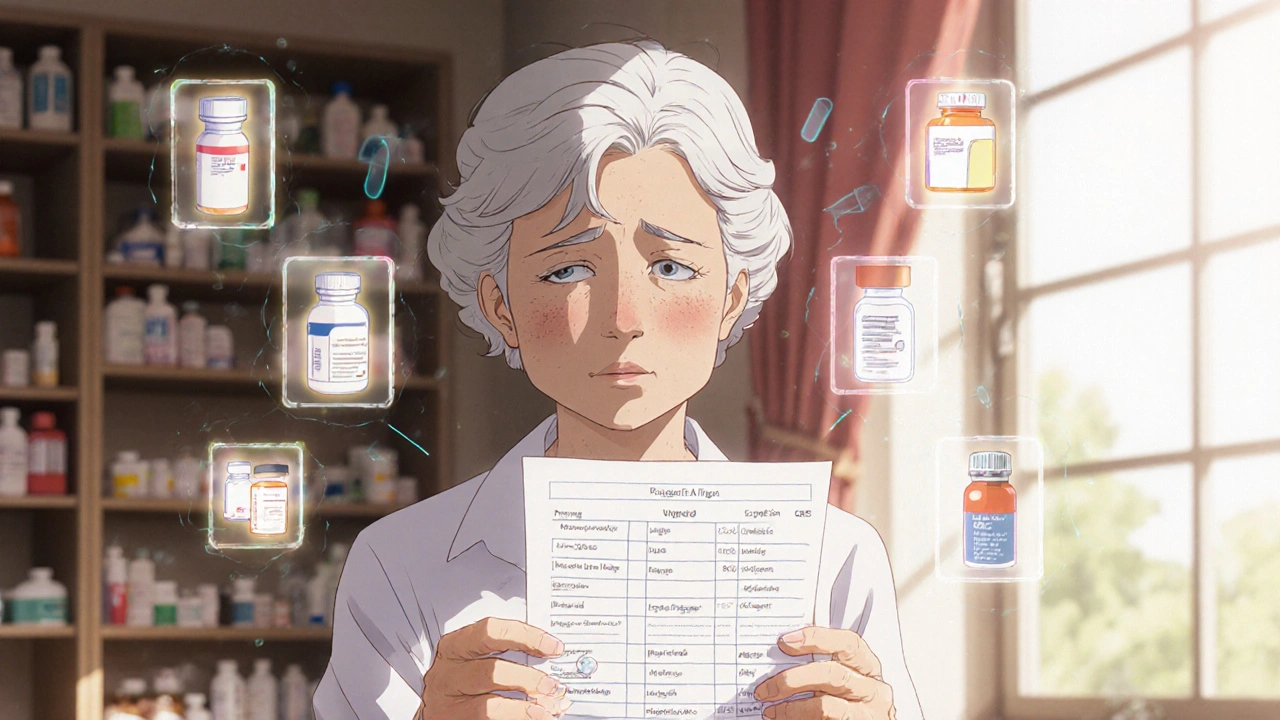
Creating Your Personal Medication List: What to Include for Safety
A personal medication list is a simple but powerful tool to prevent dangerous drug interactions, reduce errors, and protect your health. Know exactly what to include and how to keep it updated.
More Detail