
Serotonin Syndrome Signs: What to Watch For and When to Act
When your body gets too much serotonin, a natural chemical that helps regulate mood, sleep, and digestion. Also known as serotonin toxicity, this condition isn’t just a side effect—it’s a medical emergency that can escalate in hours. It happens when drugs stack up and push serotonin levels past safe limits. You might be taking an antidepressant like Lexapro or Zoloft, a painkiller like tramadol, or even an herbal supplement like St. John’s wort—and not realize the combo is dangerous. Even a small change in dosage or adding a new medication can trigger it.
This isn’t rare. Emergency rooms see it often, especially in people on multiple meds. The SSRIs, a class of antidepressants that increase serotonin levels in the brain are the most common culprits, but they’re not alone. MAO inhibitors, triptans for migraines, certain opioids, and even some cough syrups can add fuel to the fire. The real risk comes from mixing them. A person on an SSRI who starts taking tramadol for back pain? That’s a red flag. Someone on an SSRI who takes dextromethorphan for a cold? That’s a warning sign. These combinations don’t always show up on drug interaction checkers, but your body knows.
Here’s what to look for: serotonin syndrome signs usually show up within hours of a new drug or dose change. You might feel agitated, confused, or restless. Your heart could race. Your muscles might twitch or stiffen. You could break out in sweat, shake, or have high blood pressure. In worse cases, you’ll get a high fever, seizures, or lose consciousness. If you’re on antidepressants and suddenly feel off—really off—don’t wait. Don’t assume it’s just anxiety or a bad day. That’s when people delay care, and that’s when things turn deadly.
The good news? If caught early, serotonin syndrome is treatable. Stop the triggering meds, get fluids, and get monitoring. But you can’t treat it if you don’t recognize it. That’s why knowing the signs matters more than knowing every drug name. You don’t need to memorize every interaction—you just need to know what your body is telling you. The posts below cover real cases, common drug combos that cause trouble, and how to talk to your doctor before it’s too late. You’ll find practical advice on spotting trouble, avoiding risky mixes, and protecting yourself without quitting your meds.
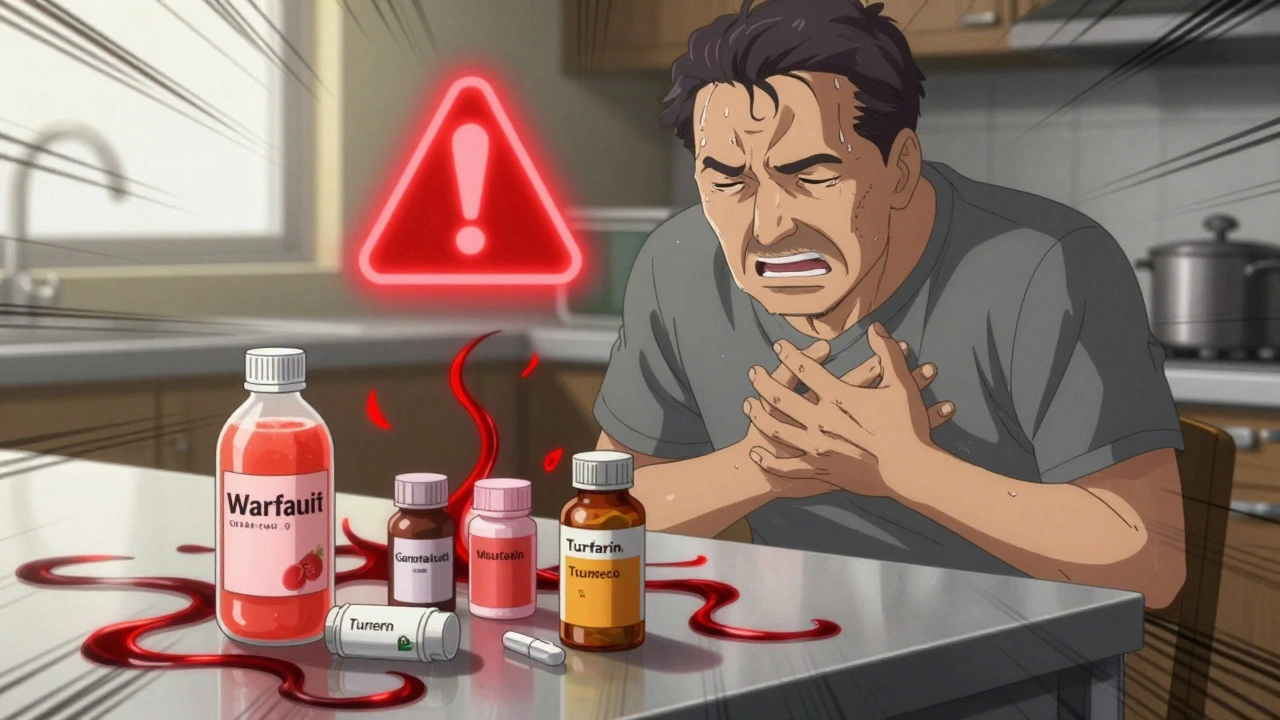
When to Seek Medical Help for a Suspected Drug Interaction
Learn when to seek emergency help for drug interactions, including signs of serotonin syndrome, liver damage, and allergic reactions. Know what symptoms require immediate action and how to prevent serious reactions.
More Detail