
Medication Safety and Health Management in November 2025
When it comes to medication safety, the practice of using drugs correctly to avoid harm while maximizing benefit. Also known as drug safety, it’s not just about taking pills as directed—it’s about understanding how they interact with your body, other medications, and even your diet. In November 2025, we focused on real-world risks: how common antibiotics can spike your INR if you’re on warfarin, why NSAIDs might quietly damage your kidneys, and how switching to an authorized generic doesn’t mean cutting corners—it means saving money without losing effectiveness.
Generic drugs, medications approved by the FDA to work the same as brand-name versions. Also known as authorized generics, they’re not cheaper because they’re weaker—they’re cheaper because they don’t carry the cost of marketing and patents. We broke down what the FDA actually requires on their labels, how specialty pharmacies handle generic versions of complex drugs, and why some people still hesitate to switch—even when it saves hundreds a year. Meanwhile, drug interactions, when two or more medications affect each other’s performance or safety. Also known as medication interactions, they’re one of the leading causes of preventable hospital visits. From diabetes meds causing dangerous blood sugar swings to thyroid levels impacting fertility, we showed how small changes in your routine can have big consequences.
Chronic conditions like kidney disease, a long-term condition where the kidneys lose their ability to filter waste and balance fluids. Also known as chronic kidney disease, it often goes unnoticed until sodium levels go haywire. We explained why hyponatremia and hypernatremia aren’t just lab numbers—they’re warning signs you can’t ignore. And for those managing thyroid health before pregnancy, we laid out the exact TSH targets backed by research, because getting your hormones right isn’t optional—it’s the foundation of a healthy start.
Whether you’re dealing with hives, shift work sleep disorder, IBS, or just trying to lower your cholesterol without high-dose statins, November 2025 gave you clear, no-fluff answers. No guesswork. No jargon. Just what works—and what to avoid. Below, you’ll find detailed guides on each of these topics, written for people who need to understand their meds, not just take them.

Meniere’s Disease: Managing Inner Ear Fluid and Reducing Symptoms
Meniere’s disease causes vertigo, hearing loss, and tinnitus due to inner ear fluid buildup. Learn how diet, medications, and new immune-targeted therapies can manage symptoms and protect hearing.
More Detail
NSAID Safety: GI Risks, Kidney Effects, and Monitoring Protocols
NSAIDs like ibuprofen and naproxen carry serious risks for stomach bleeding and kidney damage. Learn who's most at risk, how to monitor for hidden harm, and safer alternatives for long-term pain relief.
More Detail
Hyponatremia and Hypernatremia in Kidney Disease: What You Need to Know
Hyponatremia and hypernatremia are common and dangerous in kidney disease. Learn how sodium imbalances happen, why they're risky, and what you can do to stay safe with chronic kidney disease.
More Detail
Switching from Brand to Authorized Generic: Practical Tips for Cost Savings Without Compromise
Switching from a brand-name drug to an authorized generic can save you hundreds a year-without changing how the medicine works. Learn how to identify them, why they're safe, and how to navigate insurance and pharmacy switches.
More Detail
Combination Cholesterol Therapy with Reduced Statin Doses: A Smarter Way to Lower LDL
Combination cholesterol therapy with reduced statin doses offers a safer, more effective way to lower LDL cholesterol. Learn how adding ezetimibe or other agents can outperform high-dose statins with fewer side effects.
More Detail
Diabetes Medication Interactions: Dangerous Drug Combinations to Avoid
Learn which diabetes drug combinations can cause dangerous low or high blood sugar. Key interactions with insulin, metformin, and newer medications explained with practical safety tips.
More Detail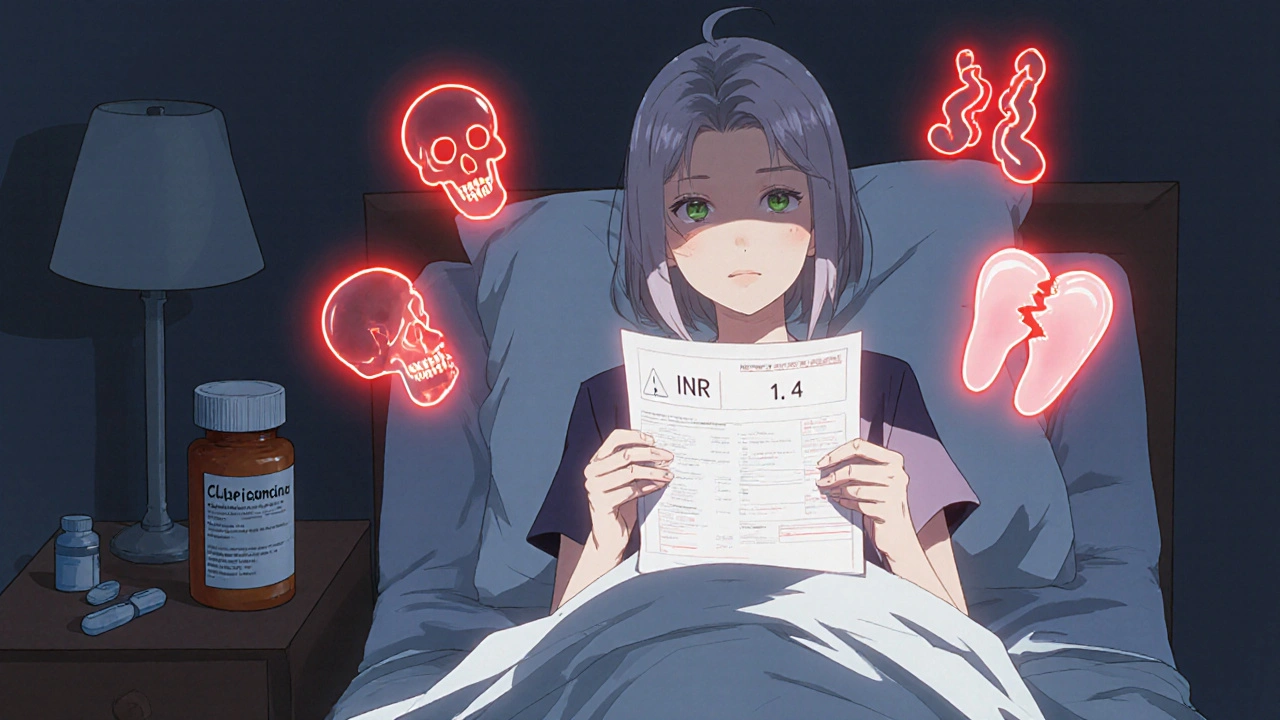
Warfarin and Antibiotics: How Common Antibiotics Can Spike Your INR Risk
Warfarin and certain antibiotics can dangerously raise INR levels, increasing bleeding risk. Learn which antibiotics are most risky, how to monitor your INR, and what to do if your levels spike.
More Detail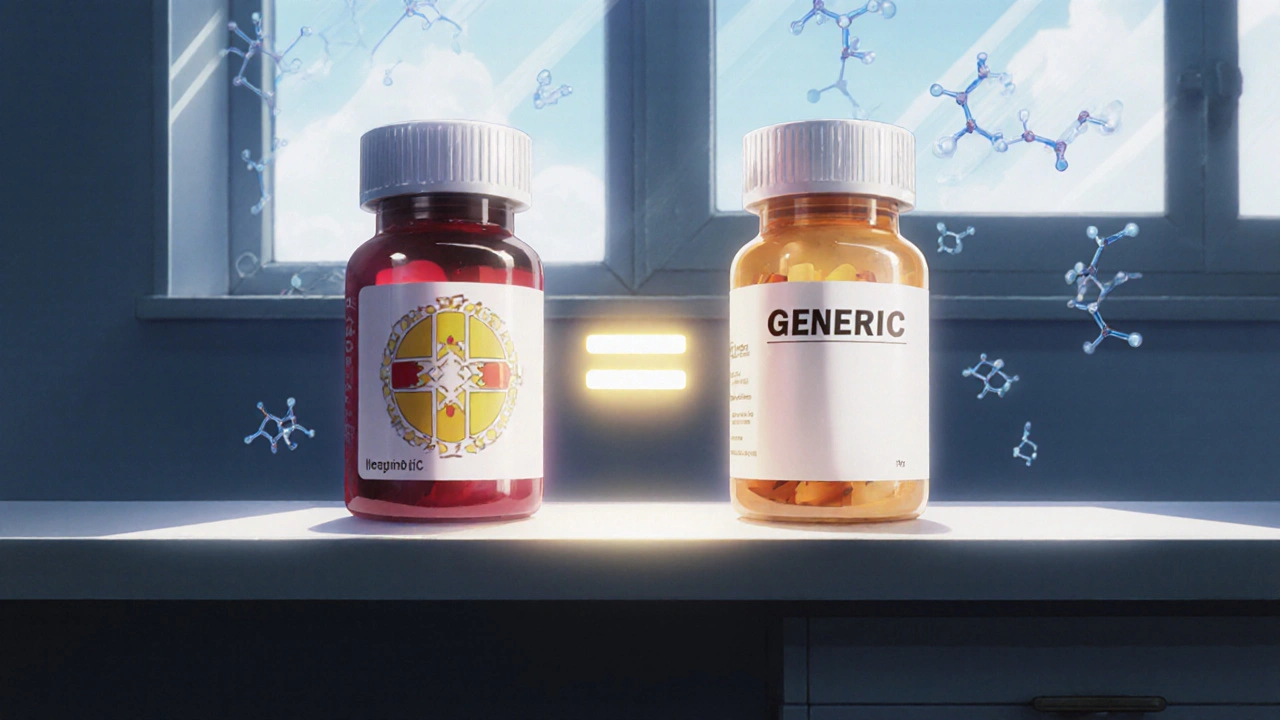
Generic Drugs vs. Brand-Name Medications: What You Really Need to Know
Generic drugs save patients up to 85% on medication costs and are just as effective as brand-name versions for most conditions. Learn when generics work, when to be cautious, and how to make smart choices with your prescriptions.
More Detail
Specialty Pharmacy: How Providers Manage Generic Specialty Drugs
Specialty pharmacies dispense generic specialty drugs with the same clinical rigor as branded versions. Providers manage complex logistics, patient education, and monitoring - proving that generic doesn't mean simple.
More Detail
Fertility and Thyroid Health: What Your TSH Level Should Be Before Trying to Conceive
Optimizing your TSH level before conception is one of the most effective ways to improve fertility and reduce miscarriage risk. Learn the science-backed targets, treatment options, and testing schedule you need to know.
More Detail