
Category: Medications - Page 4
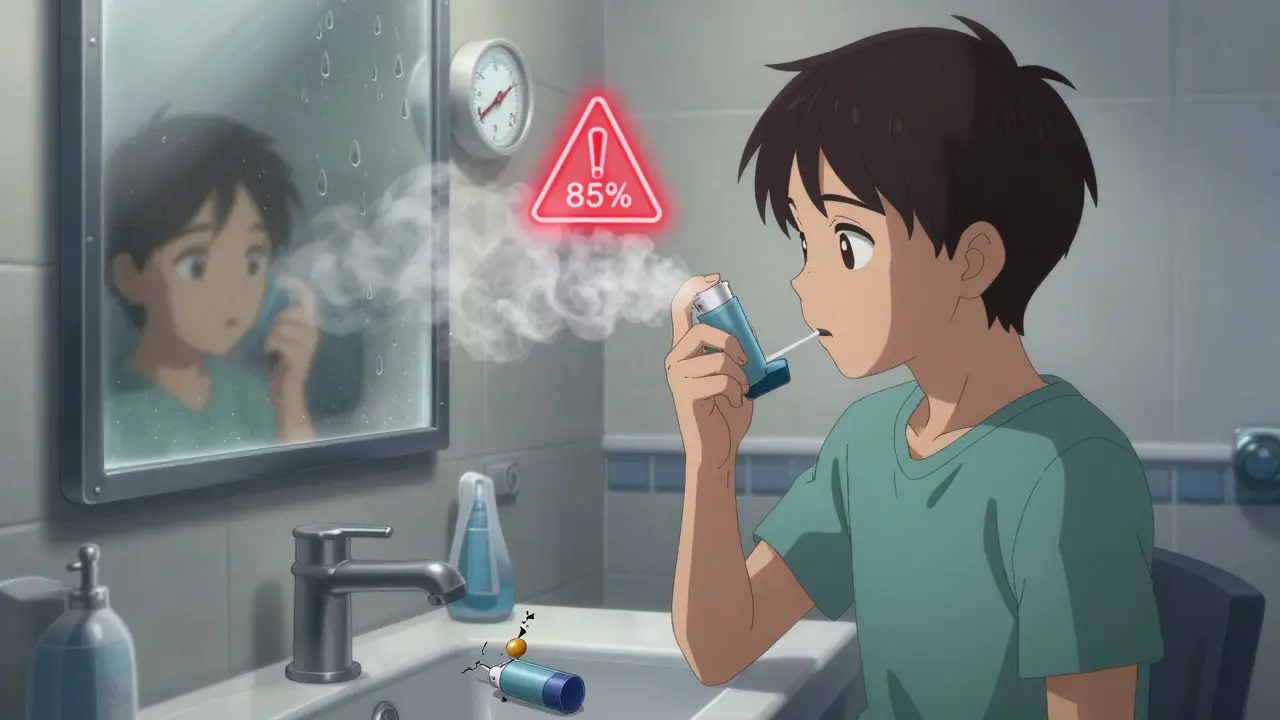
How to Store Inhalers and Nebulizer Medications Safely: Temperature, Humidity, and Common Mistakes
Learn how to store inhalers and nebulizer medications safely to ensure they work when you need them most. Avoid common mistakes like bathroom storage, car heat, and moisture exposure that can render your meds useless.
More Detail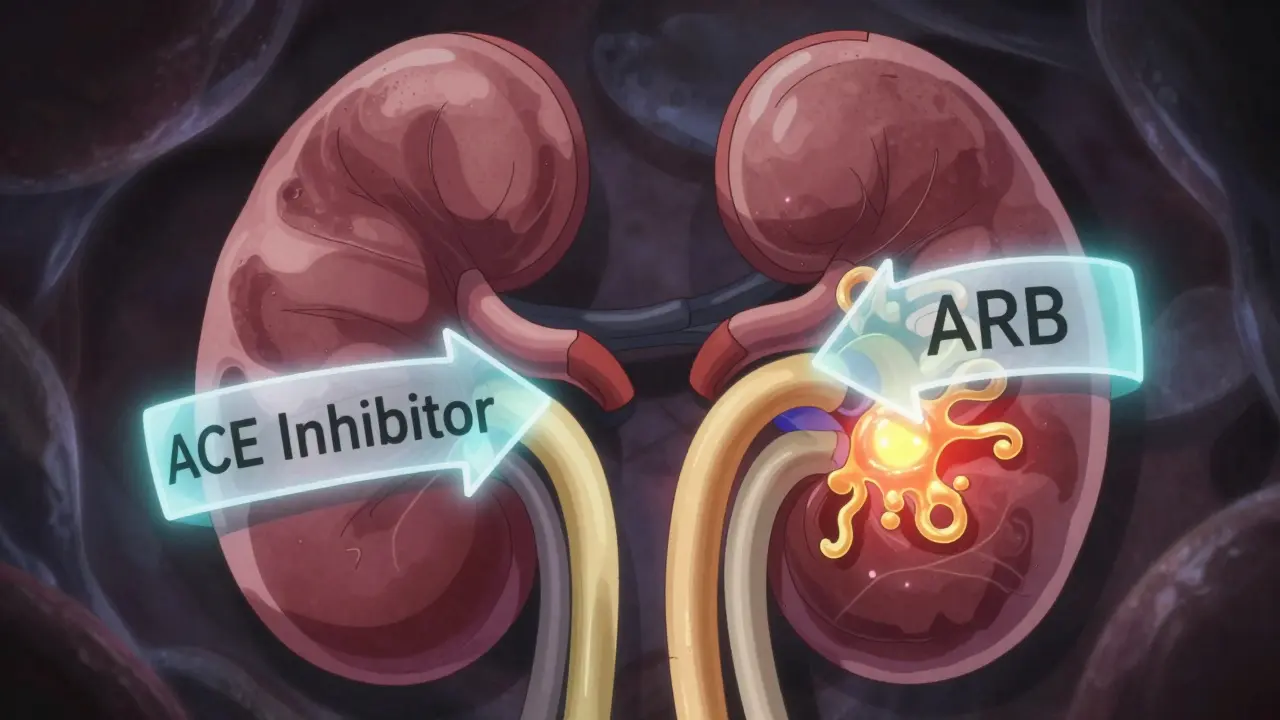
Diabetic Nephropathy: How ACE Inhibitors, ARBs, and Protein Control Protect Kidneys in Diabetes
ACE inhibitors and ARBs are proven to slow kidney damage in diabetic nephropathy by reducing proteinuria. Learn how proper dosing, avoiding harmful combos, and using newer drugs together can protect your kidneys long-term.
More Detail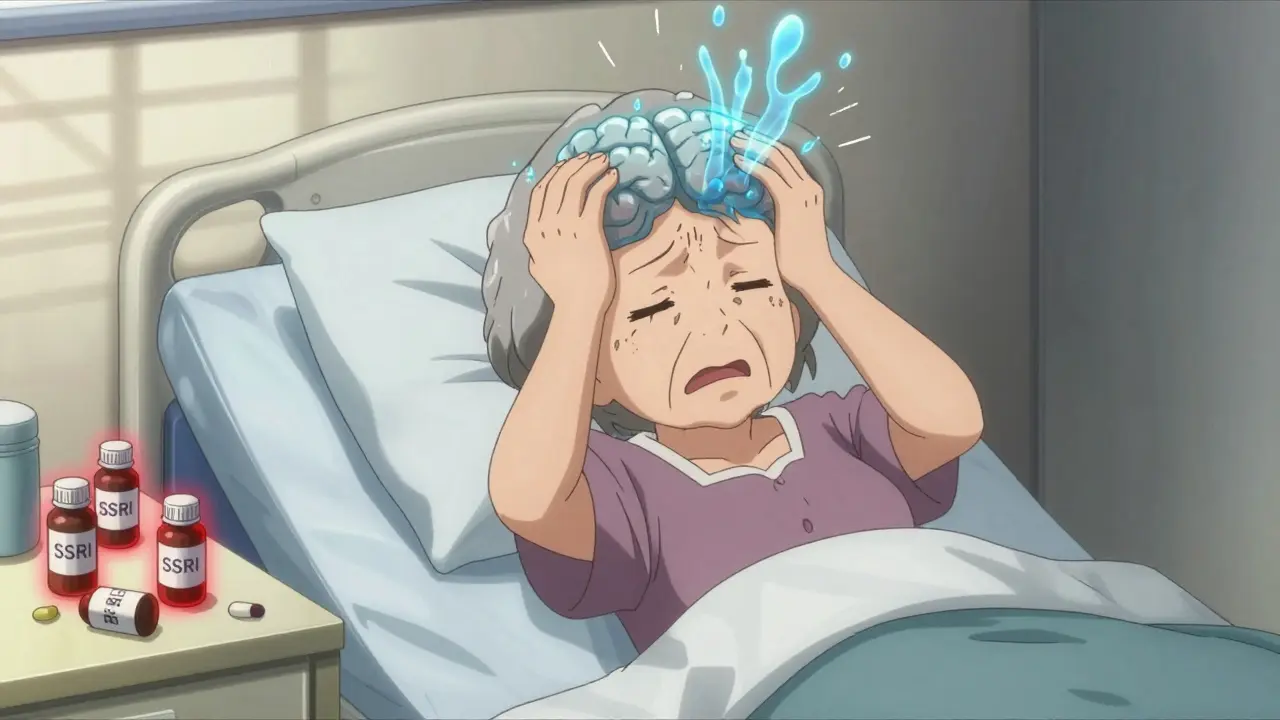
Severe Hyponatremia from Medications: Signs, Risks, and What to Do
Severe hyponatremia from medications can cause confusion, seizures, and even death if ignored. Learn which drugs raise the risk, how to spot early signs, and what to do before it's too late.
More Detail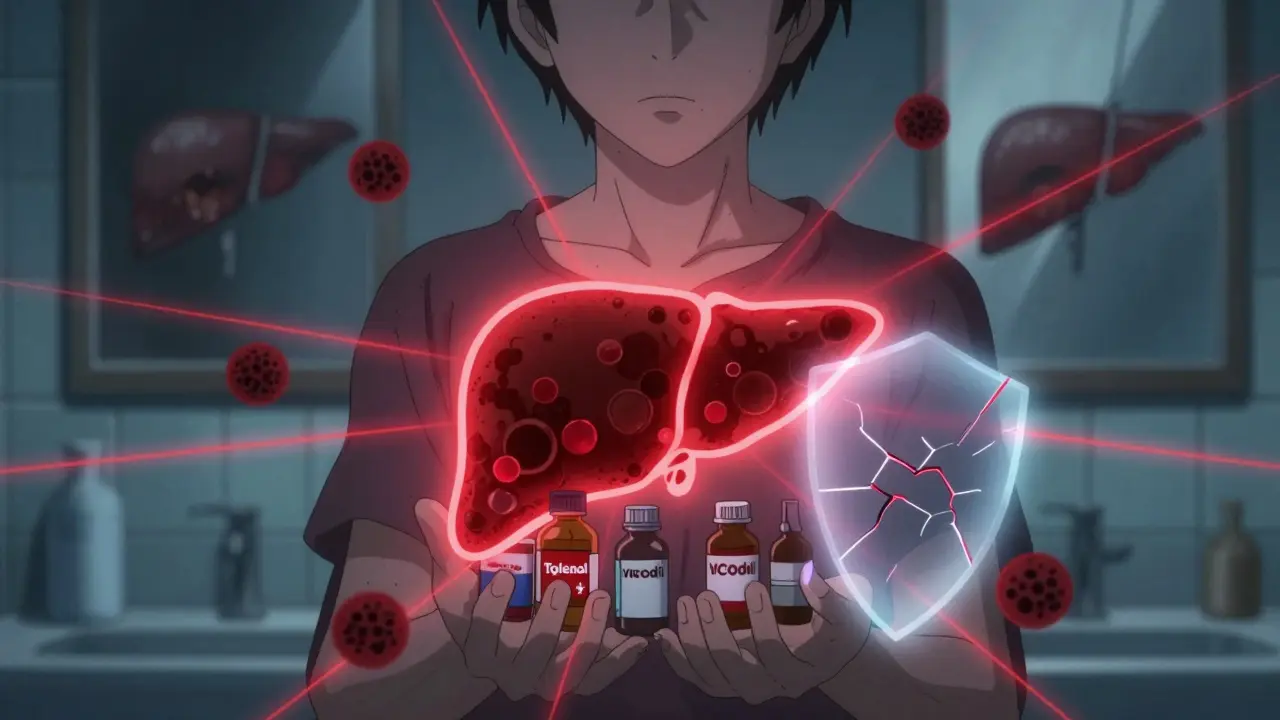
Acetaminophen and Liver Disease: Safe Dosing to Avoid Hepatotoxicity
Acetaminophen is safe for most people, but for those with liver disease, even normal doses can cause serious harm. Learn the real safe limits, hidden sources, and what to do if you overdose.
More Detail
SGLT2 Inhibitors and Diabetic Ketoacidosis: What You Need to Know About the Hidden Risk
SGLT2 inhibitors help manage type 2 diabetes but carry a hidden risk of euglycemic diabetic ketoacidosis - even when blood sugar is normal. Learn the symptoms, who’s at risk, and how to stay safe.
More Detail
Cardiovascular Generics: What Safety Studies and Real-World Data Really Show
Cardiovascular generics save billions and work for most people, but switching can cause issues. What do real studies say about safety, effectiveness, and when to stick with brand names.
More Detail
Monoamine Oxidase Inhibitors: What You Need to Know About Side Effects and Dietary Restrictions
MAOIs are powerful antidepressants for treatment-resistant depression, but they come with strict dietary rules and dangerous drug interactions. Learn how they work, what to avoid, and who they’re truly for.
More Detail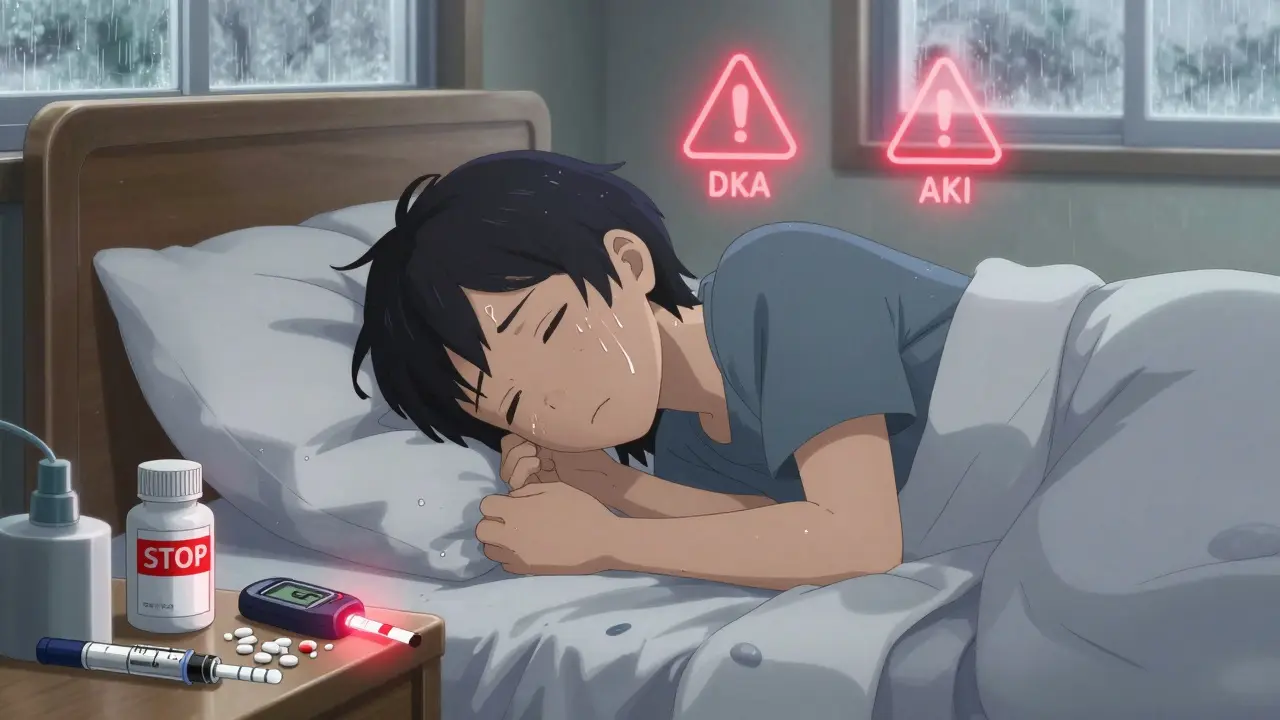
Sick Day Rules for Diabetes Medications: How to Prevent DKA and AKI During Illness
Learn the critical sick day rules for diabetes medications to prevent life-threatening DKA and AKI during illness. Know when to stop metformin, SGLT2 inhibitors, and other drugs-and what to do instead.
More Detail
Taking Medications with Food vs Empty Stomach: When It Matters
Learn when to take medications with food or on an empty stomach to maximize effectiveness and avoid side effects. Key drugs like levothyroxine, NSAIDs, and statins have strict food rules that impact how well they work.
More Detail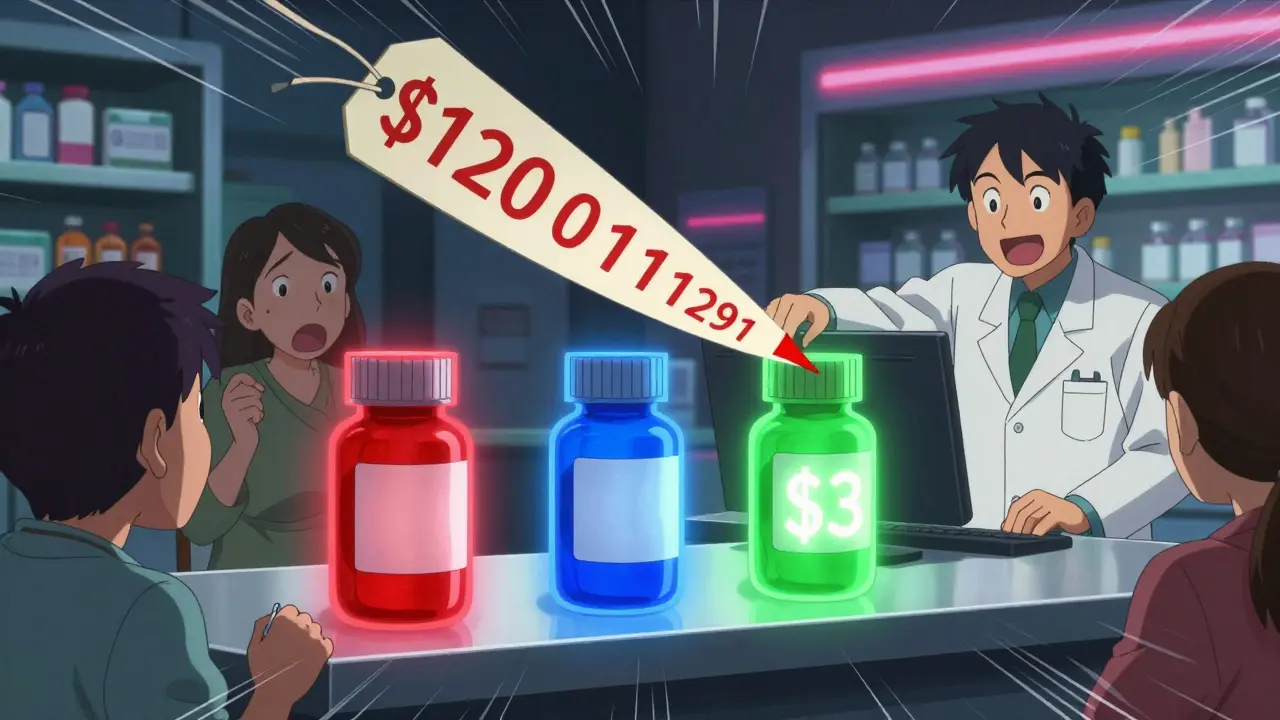
How Second and Third Generic Drugs Drive Down Prescription Prices
Second and third generic drug manufacturers drive the biggest price drops in prescription medications, often cutting costs by 60% or more. Learn how competition after patent expiration saves patients billions.
More Detail